Recipe
Servings
Servings 1×
Ingredients
- Tofu
- Chickpeas
- Black beans
- Beans
- Quinoa
- Rice
- Tortillas
- Greens
- Corn
- Avocado
- Apple
- Tomatoes
- Onion
- Lime
- Butter
- Cooking oil
- Sesame
- Salt
Method
- Prepare the ingredients described in the article and heat the cooking surface or oven as directed.
- Cook the main ingredients using the heat and timing guidance in the article.
- Finish with the seasonings and garnishes named in the article, then serve.
You’re tired, the fridge is looking a bit sparse, and the clock is ticking toward "hangry" territory. I get it. We’ve all been there, hovering in front of the pantry like a confused moth. That’s where this 15-minute salsa bowl comes in. It’s one of those healthy dinner ideas that actually feels like a win rather than a compromise. By leaning on pantry staples and a few fresh hits of acidity, you can pull together a meal that is light on the wallet but heavy on flavor. No fancy equipment is required: just a bowl and a knife.
The Science of the Perfect Pantry Bowl
When you're throwing things together in fifteen minutes, you aren't just tossing ingredients; you're managing chemical reactions and nutritional synergy. Let’s talk about the black beans first. When you open that can, always drain and rinse them. I’m firm on this. Rinsing doesn’t just lower the sodium content by up to 40%; it also removes the excess metallic-tasting liquid and reduces the presence of complex sugars called oligosaccharides. These are the culprits behind digestive discomfort because the human body lacks the enzyme to break them down efficiently. Rinsing gives your gut a break and keeps the flavor clean.
Next up is the corn. If you’re using canned, drain it well. If you’re using frozen, don’t bother boiling it. Just run it under warm water or let it sit in the bowl with the hot rice. Overcooking corn destroys its structural integrity: you want that "pop" of sweetness. The science here is about texture; the contrast between the creamy, starchy bean and the crisp, aqueous corn kernel is what makes this bowl satisfying.
Now, let’s get into the "why" of the dressing. You aren't just adding lime juice for a "zest." You are using citric acid to macerate your aromatics. If you find raw red onions too harsh, toss them in the lime juice and a pinch of salt first while you prep the rest. This process, known as denaturing, breaks down the sulfur compounds in the onion that cause that lingering sharp bite. It softens the onion’s texture and turns the juice into a bright, pink-tinged vinaigrette that ties the whole bowl together.
Finally, consider the fat. You might be tempted to skip the oil or avocado to save calories, but science says don't. Many of the nutrients in the bell peppers and corn: specifically carotenoids like beta-carotene: are fat-soluble. This means your body literally cannot absorb them without a fat carrier. A drizzle of olive oil or a few slices of avocado ensures you’re actually getting the health benefits you’re aiming for.
Elevating Your Quick Family Meals
If you’re looking to scale this up for quick family meals, the secret is in the base. While rice is the standard, don't be afraid to experiment with grains that offer more mechanical resistance, like farro or quinoa. These grains have a higher protein-to-carb ratio and keep you full longer by slowing down the glucose spike in your bloodstream.
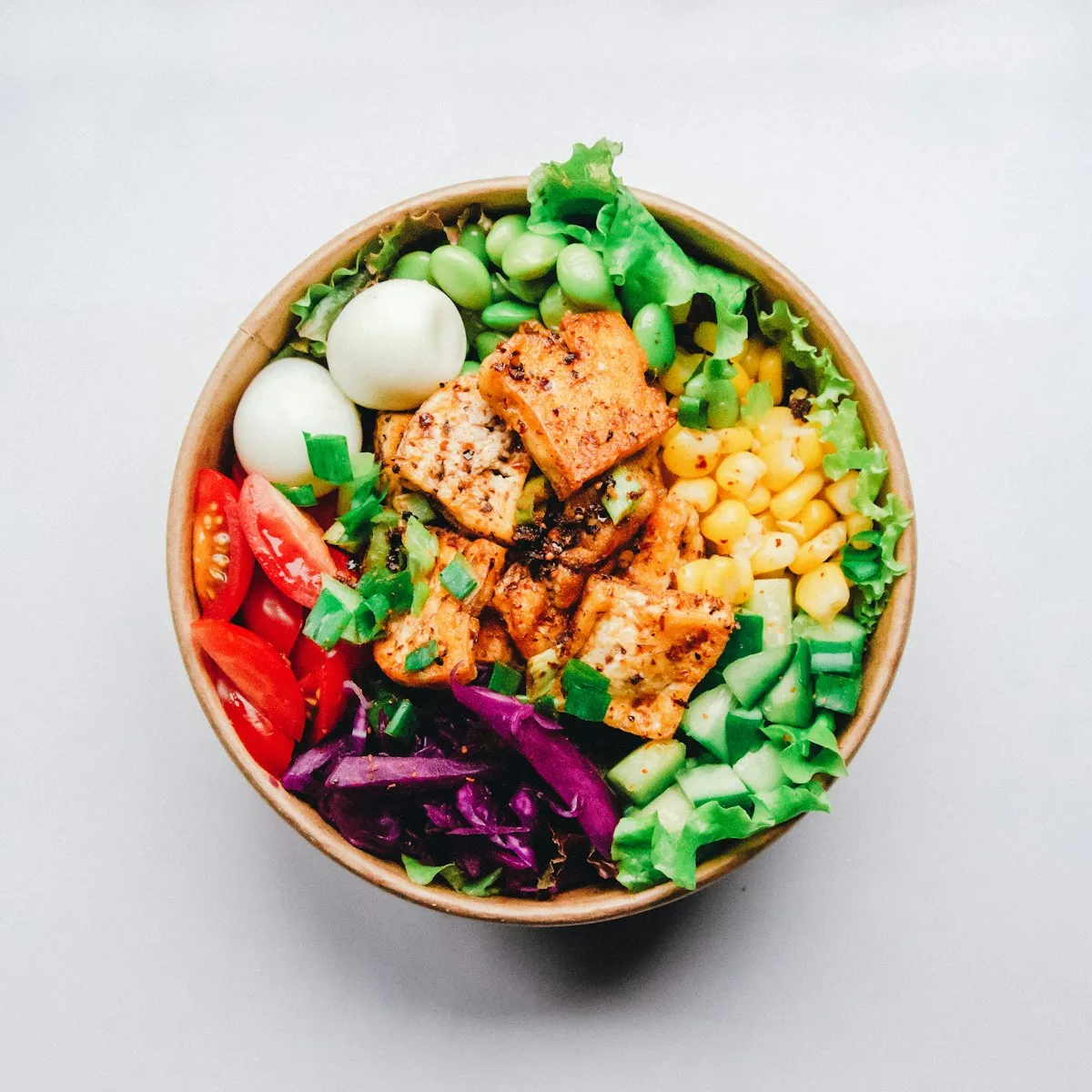
If you want to add a bit of crunch, you can bridge the gap between this and other air fryer recipes dinner by tossing some chickpeas or even small cubes of corn tortillas in the air fryer for 5-8 minutes until they’re shattered-glass crisp. For a similar vibe, check out our air fryer sesame tofu bowl for a lesson on how to get that perfect texture without deep frying.
For those who need a bit more heat, the jalapeño is your best friend, but keep the seeds out if you’re cooking for kids. Capsaicin, the compound that makes peppers hot, is concentrated in the pith and seeds. By removing them, you get the floral, "green" flavor of the pepper without the fire. If you’re feeling lazy (and honestly, who isn’t?), you can even use a scoop of a high-quality jarred salsa as a shortcut, but nothing beats the chemical brightness of fresh lime.
Balancing the Plate: Pairings and Acid
The black bean and corn salsa bowl is inherently earthy and sweet. To make it a truly professional-level meal, you need to think about acidity and richness. If you’re serving this as a main, a side of golden skillet cornbread provides a crumbly, buttery counterpoint to the fresh salsa. The fat in the butter helps carry the spices from the beans across your palate.
If you find the bowl feels too "heavy" or starchy, serve it alongside a crisp, bitter salad like our arugula power salad. The peppery bite of the arugula cuts right through the starch of the beans. Remember: a great meal is a tug-of-war between flavors. If you have a lot of softness (beans, rice, avocado), you need a lot of crunch (peppers, corn, cabbage). If you have a lot of earthiness (cumin, black beans), you need a lot of acid (lime, pickled onions). It’s basic culinary physics.
Troubleshooting Your Salsa Bowl: The FAQ
Why does my salsa get watery after an hour?
This is osmosis in action. Salt draws moisture out of vegetables (especially tomatoes and cucumbers). If you’re meal-prepping this, keep the salt and lime juice on the side and add them right before you eat. Alternatively, use firmer vegetables like bell peppers which have thicker cell walls and hold up better to the salt.
Can I use different beans?
Absolutely. While black beans are the gold standard for this flavor profile, pinto beans work well because they are even creamier. Avoid using very soft beans like cannellini if you plan on mixing it aggressively, as they will turn into mush and ruin the texture of the bowl.
Is it actually a complete protein?
The old myth that you have to eat beans and rice in the same bite to get a "complete protein" is mostly debunked by modern nutrition science. As long as you get a variety of amino acids throughout the day, your body does the math. However, the combination of corn and beans does provide a very efficient balance of lysine and methionine, making it a stellar plant-based choice for healthy dinner ideas.
How do I store leftovers without the rice getting hard?
Rice hardens in the fridge due to starch retrogradation: the starch molecules recrystallize as they cool. To fix this, sprinkle a teaspoon of water over the rice and cover it before microwaving. The steam will re-gelatinize the starch and make it fluffy again. Better yet, store the salsa and rice in separate containers to prevent the rice from soaking up all the lime juice and becoming soggy.
What if I don’t have fresh limes?
Don't use the bottled "lime juice" in the green plastic squeeze bottle. It often contains preservatives and oil from the peel that tastes soapy. If you’re out of lime, a high-quality apple cider vinegar or even the liquid from a jar of pickled jalapeños is a much better substitute for that necessary hit of acidity.
{“@type”:”BlogPosting”,”image”:”https://cdn.marblism.com/JyI947Z6rAM.webp”,”author”:{“name”:”Cookpedia”,”@type”:”Organization”},”@context”:”https://schema.org”,”headline”:”15-Minute Budget-Friendly Black Bean and Corn Salsa Bowl”,”publisher”:{“url”:”https://cookpedia.com”,”name”:”Cookpedia”,”@type”:”Organization”},”description”:”A quick, nutritious, and budget-friendly 15-minute black bean and corn salsa bowl recipe perfect for busy weeknights.”,”datePublished”:”2026-06-18″,”mainEntityOfPage”:{“@id”:”https://cookpedia.com/15-minute-black-bean-corn-salsa-bowl”,”@type”:”WebPage”}}