Recipe
Servings
Servings 1×
Ingredients
- Salmon
- Shrimp
- Pasta
- Noodles
- Peas
- Garlic
- Lemon
- Cream
- Hard cheese
- Cooking oil
- Black pepper
Method
- Prepare the ingredients described in the article and heat the cooking surface or oven as directed.
- Cook the main ingredients using the heat and timing guidance in the article.
- Finish with the seasonings and garnishes named in the article, then serve.
There are nights when your brain is fried, your fridge is looking a bit tragic, and the thought of ordering takeout feels like a personal defeat for your wallet. I’ve been there more times than I care to admit. This is exactly why I keep a "survival kit" in my pantry: a box of pasta, a bag of frozen peas, and a lonely lemon that’s seen better days. Together, they create a meal that tastes like a breezy afternoon in an Italian lemon grove, even if you’re actually just standing in your kitchen at 7 PM on a Tuesday. This dish is the ultimate solution for anyone searching for healthy dinner ideas that don't cost a fortune or require a culinary degree.
The Science of the "Secret" Creamy Sauce
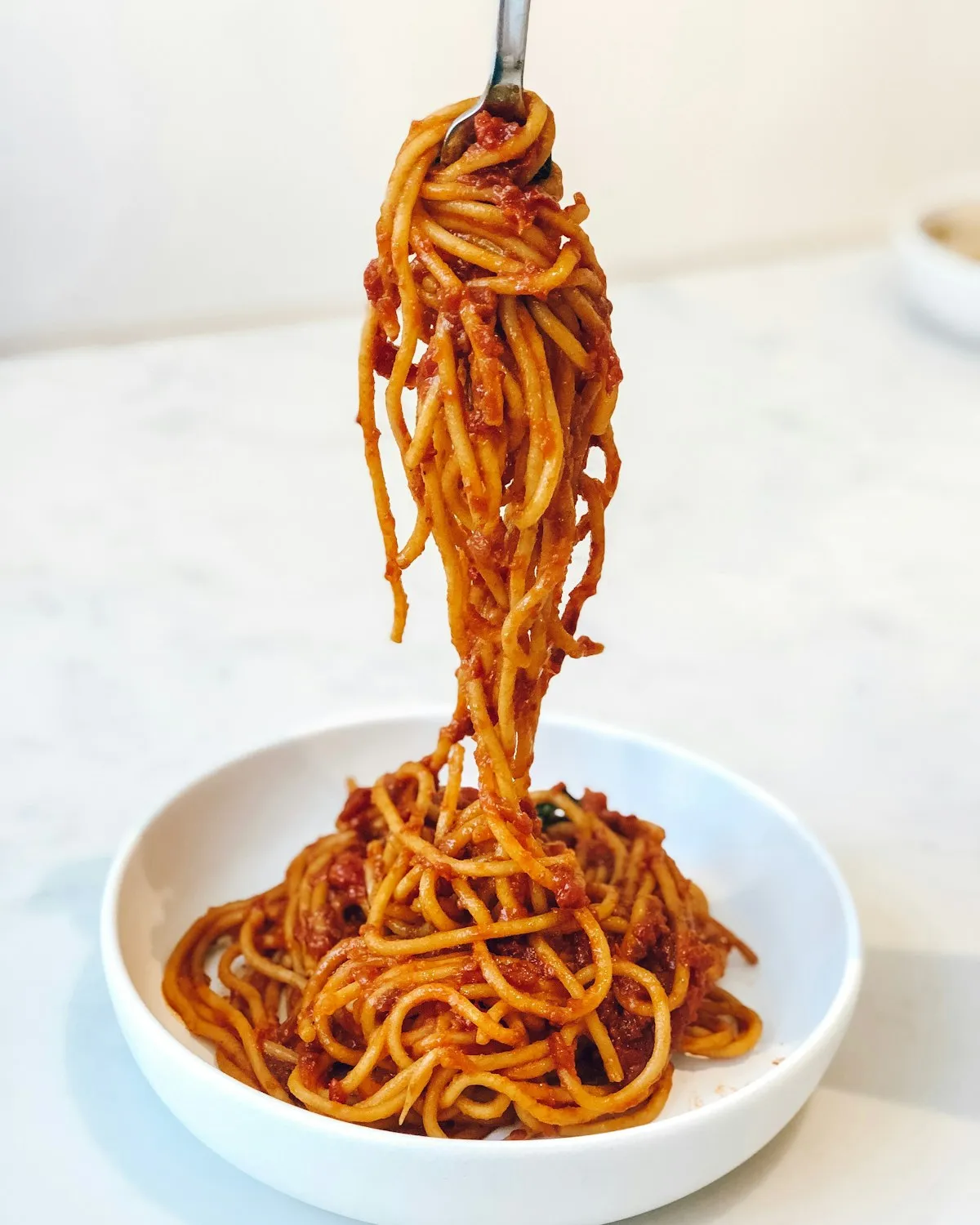
You might look at this recipe and think, "Where’s the cream?" The magic of this dish isn't in a heavy carton of heavy cream; it’s in the chemistry of your pasta pot. To get that restaurant-quality silkiness, you have to master the art of the emulsion. An emulsion happens when you force two things that don’t like each other, fat (the olive oil) and liquid (the starchy pasta water), to play nice.
When you boil your pasta, it releases starch into the water. Never, and I mean never, dump that water down the drain without saving a cup first. That liquid gold is your natural thickener. When you toss your nearly cooked pasta into a pan with olive oil and a splash of that starchy water, the starch acts as a bridge, binding the oil and water into a glossy, velvety sauce that clings to every strand of noodle. This is a technique I also use in my Lazy Girl One-Pan Cacio e Pepe, and it works every single time.
Lemon: Zest vs. Juice
Timing your lemon is non-negotiable if you want high-impact flavor. Lemon zest contains essential oils that are fat-soluble. This means if you add the zest to the olive oil and garlic while they are gently warming in the pan, the oil will literally soak up that bright, citrusy aroma. The juice, however, is pure acidity. Heat can sometimes dull that sharp brightness, or worse, cause your cheese (if you’re using it) to clump. Always add your lemon juice at the very end, right before you plate. It provides that hit of acidity that cuts through the richness of the oil, making this one of those quick family meals that feels incredibly balanced.
The Frozen Pea Advantage
Don't let anyone tell you frozen peas are a "budget compromise." In the world of healthy dinner ideas, frozen peas are a superstar. They are flash-frozen at their peak, meaning they often have more vitamins and a better pop of sweetness than the "fresh" ones that have been sitting on a shelf for three days. To keep them bright green and snappy, don't overcook them. Throw them into the boiling pasta water during the last two minutes of cooking. They just need to be heated through, not boiled into mushy submission.
Creative Variations for Your Pantry
While the base of this recipe is minimalist perfection, you can easily pivot based on what’s in your cupboard. If you want to turn this into a protein-heavy powerhouse, adding seared salmon or shrimp works wonders. The acidity of the lemon pairs beautifully with seafood, elevating this from a budget staple to something you’d serve at a dinner party.
If you're in the mood for something with a bit more kick, add a generous pinch of red pepper flakes to your garlic and oil. The heat plays off the lemon's brightness in a way that’ll keep you coming back for "just one more" bite. For those who aren't doing the dairy-free thing, a handful of finely grated Parmesan or Pecorino Romano added off the heat will transform the sauce into something even more luxurious. Just remember the rule: if the sauce looks too thick after adding cheese, add another splash of that starchy water to loosen it back up. It’s all about maintaining that silky texture.
Side Dish Pairings for Perfect Balance
When you’re serving a pasta dish that is bright and acidic, you want your sides to offer a different texture or a complementary earthiness. A simple arugula salad with a balsamic glaze provides a peppery bite that stands up well to the lemon.
If you want more bulk, roasted vegetables are a great choice. While I usually stick to the stovetop for this 15-minute pasta, I often look toward my air fryer recipes dinner collection for a quick side. Some air-fried zucchini rounds or crispy chickpeas can add a fantastic crunch that contrasts the soft pasta and pop-in-your-mouth peas. If you're feeling adventurous, you could even serve this alongside an air fryer sausage medley to round out the meal with some savory, salty depth.
Frequently Asked Questions
Why did my sauce turn out oily instead of creamy?
This usually means your emulsion broke or never formed in the first place. You likely didn't use enough starchy pasta water, or you didn't toss the pasta vigorously enough. The physical action of tossing the pasta in the pan helps disperse the oil droplets into the water. If it looks oily, add a splash of hot pasta water and turn up the heat slightly, tossing constantly until it comes together.
Can I use bottled lemon juice?
In a pinch, yes, but you’ll lose the magic of the zest. The essential oils in the fresh zest provide the "soul" of this dish. If you absolutely have to use bottled juice, add a little extra black pepper to compensate for the lack of aromatic depth.
My peas turned a dull olive green. What happened?
Peas turn that "canned food" color when they are overcooked or exposed to acid for too long. To keep them vibrant, ensure they only boil for 2 minutes and add your lemon juice at the very last second before serving.
Is this recipe actually budget-friendly?
Absolutely. A bag of frozen peas, a box of pasta, a single lemon, and a few cloves of garlic usually total less than $5–$7 and can easily feed a family of four. It’s one of the most cost-effective quick family meals in my rotation.
Can I use gluten-free pasta?
Yes, but be aware that gluten-free pasta water often contains too much starch or a different type of starch that can make the sauce gummy. If you're using GF pasta, use a little less pasta water than the recipe suggests and add it incrementally.
Can I store and reheat this?
Pasta with an oil-based emulsion is always best served immediately. When it cools, the fat solidifies and the starch thickens, which can make the leftovers feel a bit heavy or dry. If you do reheat it, do so in a pan with a splash of water and a drizzle of fresh oil to help "reset" the emulsion.
{“@type”:”BlogPosting”,”image”:”https://cdn.marblism.com/t0tlygxP8FG.webp”,”author”:{“name”:”Penny”,”@type”:”Person”},”@context”:”https://schema.org”,”headline”:”15-Minute Budget-Friendly Pasta with Peas & Lemon”,”keywords”:”air fryer recipes dinner, quick family meals, healthy dinner ideas, budget pasta, lemon pea pasta”,”publisher”:{“logo”:{“url”:”https://cdn.marblism.com/r31hCYxu5lk.webp”,”@type”:”ImageObject”},”name”:”Cookpedia”,”@type”:”Organization”},”description”:”A quick, minimalist, and soulful 15-minute pasta recipe using frozen peas, lemon, and pantry staples. Learn the science of the perfect pasta water emulsion.”,”datePublished”:”2026-06-14″,”articleSection”:”Recipes”,”mainEntityOfPage”:{“@id”:”https://cookpedia.com”,”@type”:”WebPage”}}