Recipe
Servings
Servings 1×
Cook 9 min
Ingredients
- Pasta
- Bread
- Tomatoes
- Onion
- Lemon
- Balsamic vinegar
- Honey
- Cooking oil
- Chili seasoning
- Black pepper
Method
- Prepare the ingredients described in the article and heat the cooking surface or oven as directed.
- Cook the main ingredients using the heat and timing guidance in the article.
- Finish with the seasonings and garnishes named in the article, then serve.
You know those evenings when the clock is ticking, the hunger is real, and your brain is essentially a tab with forty-seven open windows? We’ve all been there. You want something that tastes like a summer afternoon in Tuscany, but you have exactly fifteen minutes before you need to be somewhere else. This is where my go-to strategy for 15 minute meals saves the day. We are talking about a crispy, bubbly, balsamic-drizzled flatbread that hits every flavor note without forcing you to spend an hour at the stove. It’s elegant, it’s fast, and it’s about to become your new favorite secret weapon for quick healthy meals.
The Thermal Physics of the Perfect Crunch
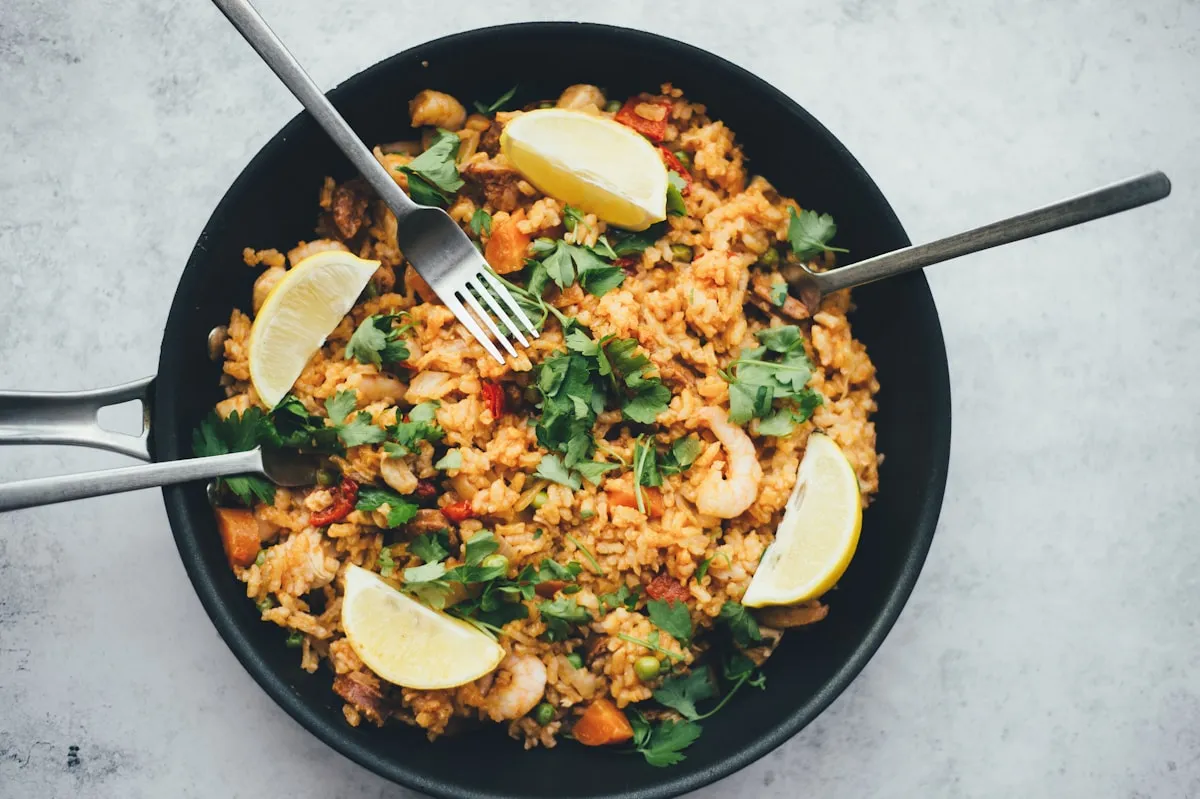
Getting a flatbread right in a short window requires more than just heat; it requires a basic understanding of thermodynamics. Most people make the mistake of putting cold toppings on a cold crust and shoving it into a lukewarm oven. The result? A soggy, sad rectangle of dough. To achieve that restaurant-quality snap, you must preheat your baking surface. Whether you are using a pizza stone, a heavy baking sheet, or even a cast-iron skillet, let it get screaming hot before the bread ever touches it.
When the dough hits that preheated surface, you trigger the Maillard reaction almost instantly. This is the chemical reaction between amino acids and reducing sugars that gives browned food its distinctive, savory flavor. Use a high temperature, think 450°F or higher. This intense heat evaporates surface moisture rapidly, locking in the structure of the flatbread so it can support your toppings.
Another non-negotiable tip: brush your flatbread with a thin layer of olive oil on both sides before it hits the oven. The oil acts as a heat conductor, ensuring the crust browns evenly and stays crisp even after you add the sauce. If you’re looking for more ways to use high-heat techniques for quick family meals, you might want to check out my guide on achieving the perfect glossy sauce for pasta, which relies on similar principles of emulsification and temperature control.
Managing the Moisture Barrier
The biggest enemy of a great Caprese flatbread is water. Fresh mozzarella is beautiful, but it’s essentially a sponge filled with liquid. If you slice a ball of fresh buffalo mozzarella and put it straight onto your bread, it will release all that water the second it hits the heat, turning your dinner into a soup.
Instead, use a low-moisture mozzarella or, if you’re committed to the fresh stuff, slice it and pat it dry between paper towels for at least ten minutes. The same rule applies to your tomatoes. Halve them and place them "cut-side up" on the flatbread. This allows the moisture to evaporate into the oven air rather than soaking directly into your crust. These little technical adjustments are what transform basic healthy dinner ideas into professional-grade meals.
The Chemistry of the Balsamic Reduction
A true Caprese isn't complete without that dark, syrupy drizzle. While you can buy bottled glaze, making your own is a masterclass in concentration and viscosity. Balsamic vinegar is a complex mixture of water, acetic acid, and sugars. When you simmer it, you aren't just "cooking" it; you are performing a controlled evaporation.
As the water content decreases, the sugar concentration increases, leading to a thicker, stickier texture. You want to use a wide pan for this process. Why? A larger surface area allows steam to escape faster, cutting your reduction time in half. Watch the bubbles; as the mixture thickens, the bubbles will become larger and slower to pop. Aim for a "nappe" consistency, where the glaze coats the back of a spoon and stays there.
Be firm about pulling it off the heat early. The reduction will continue to thicken as it cools. If you wait until it looks like syrup in the hot pan, it will turn into a rock-hard balsamic candy once it hits the room temperature of your flatbread. This balance of acidity and sweetness is vital for cutting through the richness of the melted cheese.
Flavor Variations: Balance and Contrast
The classic Caprese is a masterpiece of balance, acidity from tomatoes, creaminess from cheese, and herbal notes from basil. However, you can play with these variables to suit your mood. If you find the flatbread too rich, increase the acidity. A squeeze of fresh lemon over the basil or a handful of pickled red onions can brighten the entire dish.
For those who want a bit more "kick," consider adding red pepper flakes or a drizzle of hot honey. The sweetness of the honey mimics the balsamic glaze but adds a layer of heat that wakes up the palate. If you’re catering to a crowd that demands more protein, adding some prosciutto after the bake provides a salty, savory contrast to the sweet tomatoes.
If you’re a fan of these kinds of high-impact, low-effort quick healthy meals, you can even adapt the technique for the air fryer. Much like my air fryer sausage and pepper medley, using the concentrated convection heat of an air fryer can result in an incredibly crispy crust in a fraction of the time. Exploring air fryer recipes dinner options is a great way to expand your repertoire of 15 minute meals.
Side Dish Pairings: Cutting the Richness
Because flatbread is carb-heavy and cheese-forward, your side dish should focus on freshness and crunch. Avoid heavy, creamy sides. Instead, opt for a simple arugula salad tossed with a sharp lemon vinaigrette. The peppery bite of the arugula and the sharp acid of the lemon serve as a "palate cleanser," making every bite of the flatbread feel as light as the first.
A chilled cucumber and radish salad is another excellent option. The high water content and crisp texture of the vegetables provide a refreshing counterpoint to the warm, chewy bread. Think of your side dish as the supporting actor that makes the main star shine brighter. When brainstorming healthy dinner ideas, always look for that balance between cooked fats and raw acids.
If you’re looking for something more substantial to round out quick family meals, a roasted vegetable tray is a winner. You can even use the same oven temperature you used for the flatbread. For more inspiration on hearty, fast sides, check out my kielbasa and pierogi air fryer roast, which uses similar high-heat roasting principles for maximum flavor.
Troubleshooting Your 15-Minute Feast (FAQ)
What if my flatbread is still soggy in the middle?
This usually happens because of "topping overload." Keep your sauce and cheese layers thin. If the center is soggy but the edges are burning, your oven might be too hot or your toppings might be too wet. Use the "pre-toast" method: bake the oiled flatbread for 2 minutes alone before adding any toppings. This creates a toasted barrier that prevents moisture from seeping in.
Can I use a different type of bread?
Absolutely. Naan, pita, or even a thick slice of sourdough can work as a base. Just remember that the thickness of the bread will dictate your bake time. A thin pita will crisp up in 5 minutes, while a thick naan might need the full 8–10 minutes to heat through to the center.
Is it possible to overcook the balsamic glaze?
Yes, and it’s a sticky mess to clean up. If you over-reduce it, the sugars will caramelize too much and eventually burn, leaving you with a bitter, acrid taste. If your glaze becomes too thick to pour once it cools, simply whisk in a teaspoon of warm water to loosen it back up.
Why does my basil turn black so quickly?
Basil is incredibly sensitive to heat. The blackening is essentially "bruising" caused by the heat breaking down the delicate cell walls. Always wait until the flatbread is out of the oven and has rested for sixty seconds before adding your fresh basil. This ensures you get that bright green color and maximum aromatic impact.
Can I make this as part of my weekly meal prep?
Flatbread is best enjoyed fresh because the crust loses its snap as it sits. However, you can prep the balsamic glaze and slice the cheese and tomatoes in advance. When you’re ready for one of your quick healthy meals, you just have to assemble and bake, which takes less time than a commercial break.
Should I use the air fryer for this?
Yes! If you enjoy air fryer recipes dinner, this is a perfect candidate. The air fryer’s fan-forced heat is incredible for crisping up the edges of the bread. Just make sure your toppings are secured: sometimes the high-velocity air can blow the basil or light cheese around! It’s one of the best ways to keep quick family meals interesting and efficient.
{“@type”:”BlogPosting”,”image”:”https://cdn.marblism.com/rVpKAY28EvX.webp”,”author”:{“name”:”Penny”,”@type”:”Person”},”@context”:”https://schema.org”,”headline”:”15-Minute Caprese Flatbread”,”keywords”:”15 minute meals, quick healthy meals, air fryer recipes dinner, quick family meals, healthy dinner ideas”,”publisher”:{“name”:”Cookpedia”,”@type”:”Organization”},”description”:”A guide to making a crispy, delicious 15-minute Caprese flatbread using scientific techniques for the perfect crust and balsamic reduction.”,”datePublished”:”2026-05-22″,”mainEntityOfPage”:{“@id”:”https://cookpedia.com/15-minute-caprese-flatbread”,”@type”:”WebPage”}}