Recipe
Servings
Servings 1×
Ingredients
- Chicken
- Pasta
- Garlic
- Pesto
- Cream
- Cooking oil
Method
- Use a ladle to pull out about a cup of that cloudy water before you drain the pot.
- Whisk the pesto into the warm cream and pasta water off the heat or on the lowest possible setting.
- Slice your protein into thin, bite-sized medallions or strips.
- Use a heavy-bottomed skillet and get it hot before the chicken even touches the surface.
- Cook in batches if you have to; it actually saves time in the long run because the meat browns in minutes rather than stewing for ten.
- Remove the chicken from the pan the second it is done and let it rest for a minute while you finish the sauce.
We have all been there: standing in front of the fridge at 6:00 PM, starving, with zero interest in a complicated culinary project. You need something fast, soul-satisfying, and healthy enough that you don’t feel like a total disaster. Enter my go-to solution for hectic weeknights. This creamy pesto pasta with chicken is the ultimate heavy hitter in my rotation of 15 minute meals. It delivers high-impact flavor with minimal effort, proving that you don't need an hour to create a restaurant-quality dinner.
The Science of the Perfect Emulsified Sauce
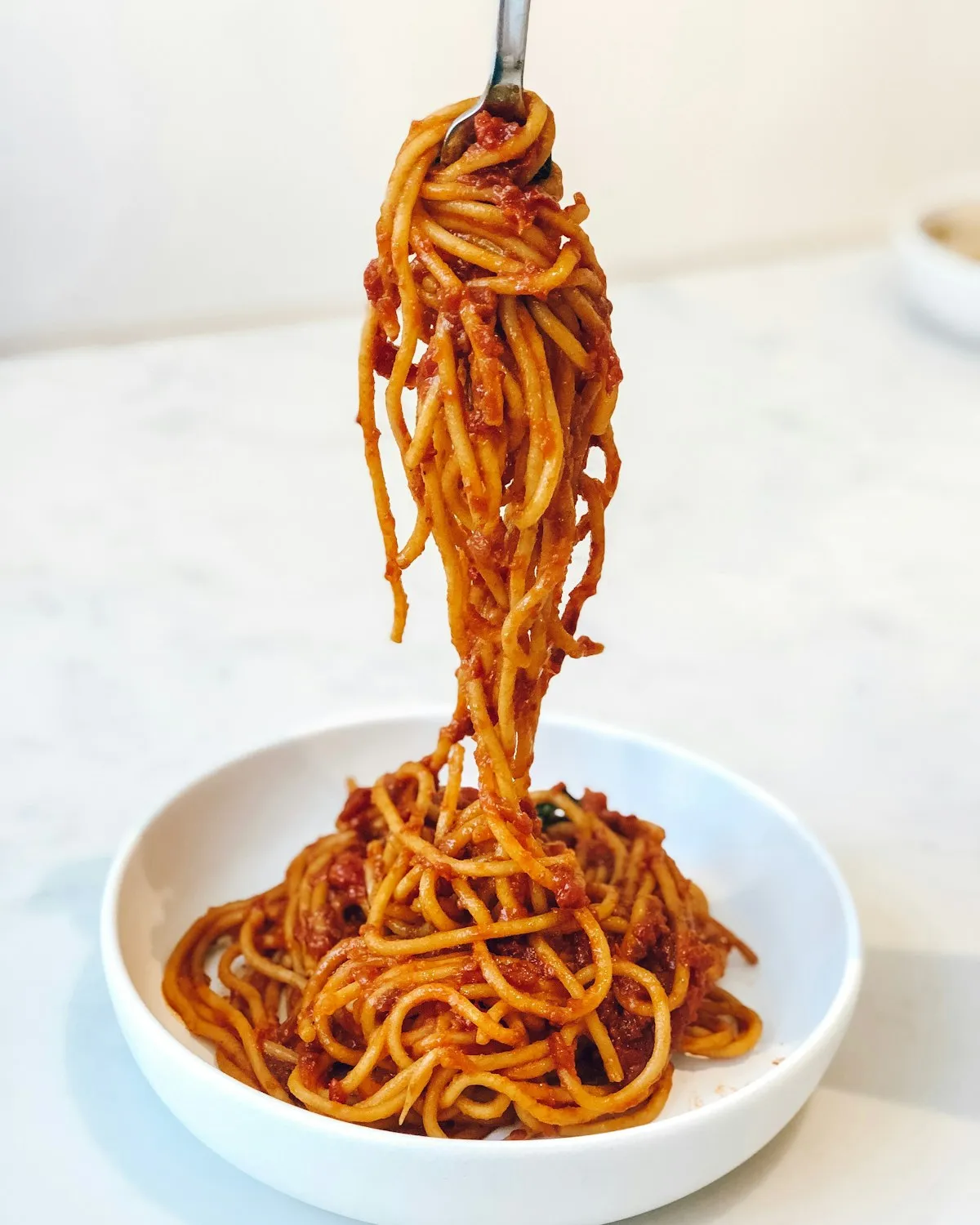
When you are aiming for that velvety, glossy texture that clings to every ridge of your pasta, you have to look at the chemistry of the pan. Pesto is essentially a cold emulsion of fats, olive oil, pine nuts, and cheese, and aromatics. If you simply toss cold pesto into hot pasta, the oil often separates, leaving you with a greasy puddle at the bottom of your bowl. To avoid this, lean on the magic of pasta cooking water.
Think of pasta water as liquid gold. As the pasta boils, it releases starches into the water. This starchy liquid acts as a bridge between the oils in the pesto and the moisture in your cream. Use a ladle to pull out about a cup of that cloudy water before you drain the pot. When you combine this water with the pesto and cream, the starch molecules surround the oil droplets, preventing them from coalescing. This creates a stable emulsion that results in a creamy, unified sauce rather than a broken one.
Maintain strict temperature control during this process. Never boil the pesto itself. Basil is a delicate herb; excessive heat will oxidize the leaves, turning your vibrant green sauce into a muddy brown mess and dulling the fresh, peppery flavor. Whisk the pesto into the warm cream and pasta water off the heat or on the lowest possible setting. This preserves the bright chlorophyll and the volatile oils in the garlic and nuts.
Mastering the 15-Minute Chicken Sear
Speed in the kitchen is often a matter of geometry. If you throw two whole, thick chicken breasts into a pan, they will take forever to cook through, likely drying out on the exterior before the center is safe to eat. Change your strategy. Slice your protein into thin, bite-sized medallions or strips. This increases the total surface area, allowing for a rapid sear and a much faster cook time.
Use a heavy-bottomed skillet and get it hot before the chicken even touches the surface. You want to hear a distinct sizzle the moment the meat hits the oil. This triggers the Maillard reaction, the chemical reaction between amino acids and reducing sugars that gives browned food its distinctive flavor. Avoid overcrowding the pan. If you pack the chicken too tightly, the temperature of the skillet will drop, and the meat will steam in its own juices rather than searing. Cook in batches if you have to; it actually saves time in the long run because the meat browns in minutes rather than stewing for ten.
Check the texture of your chicken by pressing it with a spatula; it should feel firm but springy. Because we are incorporating this into one of our quick family meals, efficiency is key, but don't sacrifice moisture for speed. Remove the chicken from the pan the second it is done and let it rest for a minute while you finish the sauce. This allows the fibers to reabsorb the juices, ensuring every bite is tender.
Variations for Every Table
While the classic version is a staple among simple pasta recipes, don't be afraid to pivot based on what is in your pantry or your specific dietary goals. If you are leaning into healthy dinner ideas, try swapping traditional wheat pasta for a high-protein chickpea or lentil-based noodle. These varieties hold up surprisingly well to heavy sauces and add an extra boost of fiber to your plate.
For those looking to reduce carbohydrates, consider using "zoodles" or spaghetti squash. If you go the zucchini route, skip the boiling water entirely. Sauté the zucchini ribbons for just sixty seconds in the pan after the chicken is done. They release a lot of water, so you may need to reduce the amount of pasta water you add to the sauce to keep it from becoming runny.
If you have an air fryer, you can actually use it to prep the chicken while you boil the water. Searching for air fryer recipes dinner shortcuts? Season your chicken breasts, pop them in the air fryer at 400°F for about 10-12 minutes, and slice them right before tossing them into the pasta. This keeps your stovetop clear and reduces the number of pans you have to scrub later. You can also add a kick of heat by whisking in a teaspoon of red pepper flakes or a dollop of Calabrian chili paste into the cream base for a "pesto alla diavola" vibe.
Balancing the Richness: Side Dish Pairings
A creamy pesto sauce is undeniably rich. It is heavy on fats from the nuts, cheese, and cream, which means your side dishes need to provide a sharp, acidic contrast to cleanse the palate. Avoid serving this with another heavy starch like garlic bread unless you are looking for a serious carb-load.
Instead, reach for brightness. A simple arugula salad tossed with a lemon vinaigrette is my preferred partner. The peppery bite of the arugula and the citric acid from the lemon juice cut right through the dairy, making the whole meal feel lighter. You could also quick-pickle some thinly sliced cucumbers or red onions to serve on the side.
If you want something cooked, try roasted broccoli or asparagus with a heavy squeeze of charred lemon. The slight bitterness of charred greens balances the sweetness of the basil and the richness of the pine nuts. Check out Cookpedia for more inspiration on quick veggie sides that don't require a second trip to the grocery store.
Frequently Asked Questions
Why did my pesto turn brown as soon as I added it to the pasta?
Oxidation is the enemy of fresh basil. When the leaves are crushed into pesto, their enzymes are exposed to the air. Heat accelerates this process. To keep your sauce vibrant, ensure you are adding the pesto at the very end of the cooking process. Some chefs also suggest blanching the basil leaves for five seconds in boiling water and then shocking them in ice water before blending the pesto to "set" the green color, though that adds a few minutes to your prep time.
Can I use store-bought pesto for this recipe?
Absolutely. While homemade is great, many high-quality refrigerated pestos are excellent. Look for ones that list extra virgin olive oil and parmesan cheese high on the ingredient list rather than canola oil or fillers. Avoid the shelf-stable jars in the pasta aisle if possible; they are often heat-treated during canning, which kills the fresh flavor and turns the color dull.
My sauce is too thin and won't stick to the pasta. What happened?
You likely added too much pasta water or didn't let the cream reduce enough. If the sauce looks watery, turn the heat up slightly and toss the pasta vigorously. The friction helps the starch and fat bind. If all else fails, a handful of finely grated parmesan cheese acts as a fantastic thickener. The proteins in the cheese melt and help create a "glue" that binds the sauce to the noodles.
How do I reheat leftovers without the sauce separating?
Reheating creamy sauces is tricky because the microwave tends to "break" the emulsion, leaving you with oily pasta. The best way to revive this dish is on the stovetop. Put the pasta in a small pan with a splash of milk or water. Heat it over low power, stirring constantly until it’s warm. The extra liquid helps re-emulsify the sauce and prevents it from drying out.
Can I make this dairy-free?
Yes, but you will need to adjust your emulsification strategy. Use a full-fat coconut milk (the canned kind) or a heavy cashew cream instead of dairy cream. Since you won't have the parmesan cheese to help thicken the sauce, use a bit more of that starchy pasta water and perhaps a teaspoon of nutritional yeast to mimic the savory, nutty depth of the cheese.
What pasta shape works best for creamy pesto?
Avoid long, thin noodles like angel hair, which can get weighed down and clump together. Instead, choose shapes with "nooks and crannies" like fusilli, radiatori, or orecchiette. These shapes are designed to trap the sauce, ensuring you get a burst of creamy pesto in every single bite. If you’re in a rush, even penne works perfectly.