Recipe
Servings
Servings 1×
Ingredients
- Chicken
- Pasta
- Bread
- Cauliflower
- Asparagus
- Spinach
- Kale
- Onion
- Garlic
- Lemon
- Balsamic vinegar
- Cream
- Hard cheese
- Butter
- Black pepper
Method
- Prepare the ingredients described in the article and heat the cooking surface or oven as directed.
- Cook the main ingredients using the heat and timing guidance in the article.
- Finish with the seasonings and garnishes named in the article, then serve.
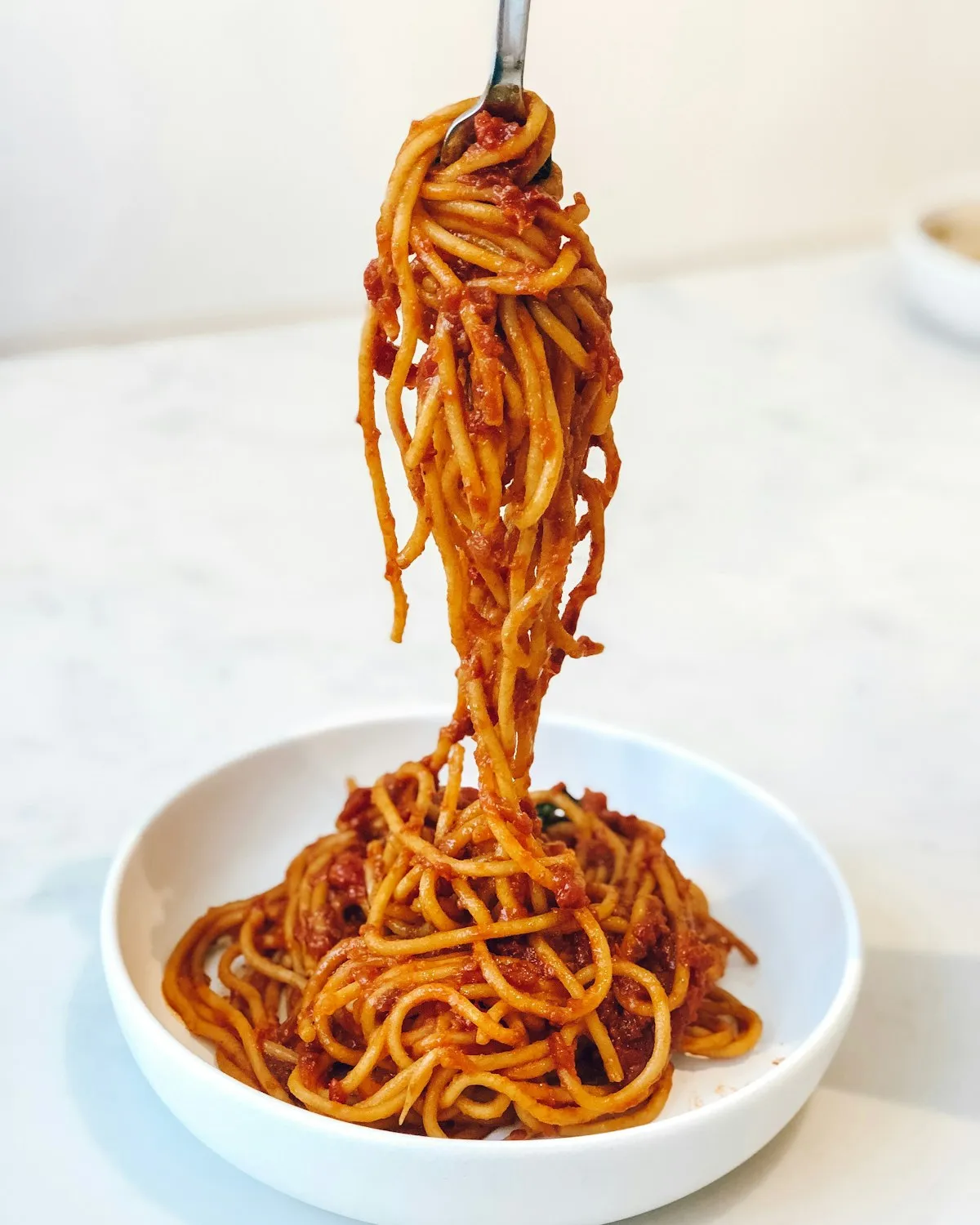
Let’s be honest: you don’t always have an hour to simmer a Bolognese or the patience to wait for a roast. Sometimes, you need dinner to happen in the time it takes to scroll through your feed once. That’s where my 15-Minute Creamy Spinach & Artichoke Gnocchi comes in. It is the ultimate shortcut to a "fancy" meal that feels like a warm hug but only takes fifteen minutes of actual effort. We are talking about pillowy clouds of gnocchi swimming in a silky, restaurant-grade sauce that won’t clump, break, or let you down.
The Science of the Perfect Silky Emulsion
If you’ve ever ended up with a pasta sauce that looks like oily water with clumps of cheese floating in it, you’ve experienced a broken emulsion. My goal is to make sure that never happens to you again. Creating a stable, creamy sauce isn’t just about dumping cream into a pan; it’s about chemistry. Heavy cream is actually a pre-made emulsion of fat globules suspended in water, stabilized by natural phospholipids. When you add Parmesan to the mix, you’re introducing more fat and casein proteins. If you don't play your cards right, those proteins will tangle up and turn into rubbery lumps.
The secret weapon in your kitchen for any of your quick family meals is starch. Specifically, the starch-heavy water you used to cook your gnocchi. Starch acts as a bridge between the fat (cream and cheese) and the liquid. It increases the viscosity of the water, which physically prevents those fat globules from merging into big oily puddles. When you combine your heavy cream with a splash of that liquid gold (gnocchi water), you are creating a structural web that holds the sauce together.
But here is a non-negotiable: stop buying pre-shredded cheese. I know it’s convenient, but those bags are packed with cellulose, an anti-caking agent literally made from wood pulp, to keep the shreds from sticking together in the bag. Guess what? It also keeps them from melting into your sauce. If you want that velvet texture, you must grate your Parmesan fresh from the wedge. The difference in meltability is night and day. Use a microplane for the fluffiest results; smaller particles melt faster and more evenly, ensuring your sauce stays smooth.
Another critical technique is the "Mantecare" or the toss. You might be tempted to just stir the gnocchi into the sauce with a spoon, but you need to be more aggressive. Vigorously tossing the pan helps the mechanical emulsification. As you shake and toss, the movement forces the fats to break down into smaller droplets while the starch coats every inch of the gnocchi. This creates a glossy sheen that looks professional and tastes even better.
Also, watch your heat. Boiling your cream too violently can cause it to "break," where the fat separates. You want a gentle simmer, enough to reduce the water content slightly and thicken the sauce, but not so much that you’re frying the dairy. If it gets too thick, don’t panic. Just add another tablespoon of that reserved starchy water. It is the thermostat for your sauce’s texture.
Flavor Profiles and Sophisticated Variations
While the spinach and artichoke combo is a classic for a reason (it’s basically the world’s favorite dip turned into a meal), you can easily pivot this dish depending on what’s in your pantry. If you are looking for more healthy dinner ideas, you can increase the ratio of greens. Swap half the spinach for kale or Swiss chard for a bit more bite and a boost of nutrients. The earthy bitterness of kale is a brilliant foil to the richness of the heavy cream.
If you crave a bit of heat, a pinch of red pepper flakes toasted in the pan before you add the cream will infuse the entire dish with a subtle, back-of-the-throat glow. For a brighter, more Mediterranean feel, add a teaspoon of fresh lemon zest and a squeeze of juice right at the end. The acidity of the lemon cuts through the heavy fat of the cream and cheese, making the whole dish feel lighter and more vibrant.
For those who need a protein boost, seared chicken breast or even some pan-fried pancetta works wonders. If you have leftovers from one of your other air fryer recipes dinner sessions, like some crispy sausages, slice them up and toss them in. The smokiness of a good sausage pairs beautifully with the tangy artichoke hearts. You can even experiment with the gnocchi themselves. While potato gnocchi are the standard, cauliflower gnocchi or even ricotta-based gnudi can be used here, provided you adjust your cooking times. Just remember that ricotta-based options are much more delicate and require a gentler toss so they don't disintegrate into the sauce.
Balancing the Plate: Side Dish Pairings
Because this dish is undeniably rich, your side dishes need to do some heavy lifting in the department of balance. You want something with high acidity or a crisp, fresh crunch. A simple arugula salad with a sharp balsamic vinaigrette is my go-to. The peppery bite of the arugula and the zing of the vinegar reset your palate between bites of creamy gnocchi.
If you are a fan of using your gadgets, you might consider some air fryer sausage pepper onion medley as a side or even just some air-fried asparagus with a heavy dose of lemon. The high heat of the air fryer gives vegetables a charred, roasted flavor that contrasts the soft, pillowy texture of the gnocchi.
And of course, we can't talk about pasta without mentioning bread. A crusty baguette or a piece of focaccia is practically mandatory here. You are going to want something to swipe through the leftover sauce at the bottom of the bowl. If you're feeling adventurous, you could even try the viral garlic butter ramen hack techniques on a piece of toasted sourdough to create the ultimate garlic bread companion.
Frequently Asked Questions for the Home Scientist
What do I do if my sauce is clumping?
Clumping usually happens for two reasons: the heat was too high when you added the cheese, or you used pre-shredded cheese. To fix it, remove the pan from the heat immediately. Add a splash of hot starchy water and whisk vigorously. If that doesn't work, you can try a very brief pulse with an immersion blender, but be careful not to turn your gnocchi into mash.
Can I make this dairy-free?
You can, but the chemistry changes. You’ll want to use a high-fat coconut milk or a cashew-based cream. Since you won't have the same casein proteins from the Parmesan, you’ll need to rely more heavily on nutritional yeast for flavor and a bit of cornstarch slurry to get the thickness right. It’s a different beast, but still delicious for those seeking healthy dinner ideas that are plant-based.
How do I reheat leftovers without the sauce turning into oil?
Dairy-based sauces are notorious for separating when reheated in the microwave. The high, uneven heat breaks the emulsion. Instead, reheat it in a small skillet over low heat. Add a teaspoon of water or milk and stir constantly as it warms up. This helps re-emulsify the fats and liquids so it stays creamy.
Can I use frozen gnocchi?
Absolutely. In fact, most high-quality store-bought gnocchi are found in the freezer section. Just cook them straight from frozen. They might take an extra minute to float to the top, but the texture is often superior to the shelf-stable vacuum-packed versions.
My gnocchi are mushy. What happened?
You likely overcooked them. Gnocchi only need about 2-3 minutes. The moment they float to the surface of the water, they are done. Get them out of the water and into the sauce immediately. If you leave them in the boiling water even 30 seconds too long, they start to absorb too much moisture and lose their structural integrity.
Do I have to use heavy cream?
If you want the stability and the mouthfeel, yes. Half-and-half or whole milk doesn't have enough fat to create that thick, luxurious coating. If you use a lower-fat dairy, you'll likely need to create a roux (flour and butter) first, which adds time and changes the flavor profile of these quick family meals. Stick to the heavy cream for the 15-minute win.
Is it okay to use canned artichokes?
Yes, but drain and pat them dry first. You don't want the canning brine to thin out your sauce or add too much tinny acidity. If you can find the artichoke hearts grilled in oil (usually in jars), those are even better because they add a smoky depth to the final dish.
How do I store the leftovers?
Keep them in an airtight container in the fridge for up to 3 days. I don't recommend freezing the finished dish, as the gnocchi will become grainy and the sauce will almost certainly break upon thawing and reheating. This is a "cook and eat" kind of meal.
Can I cook the gnocchi in the sauce directly?
While it's tempting for a one-pot meal, I don't recommend it here. Boiling the gnocchi separately allows you to control the starch concentration in the water and ensures the gnocchi don't release too much raw flour into your delicate cream sauce. Plus, that separate pot of boiling water is your safety net for adjusting the sauce's consistency later. If you want to explore more one-pot-style shortcuts, check out my kielbasa pierogi air fryer roast for a different take on potato-based comfort.
What if I don't have Parmesan?
Pecorino Romano is a great substitute, but it is saltier, so dial back the added salt. Grana Padano is another excellent choice that is very similar to Parmesan but often a bit more affordable. Avoid soft cheeses like mozzarella for the base of the sauce, as they will just become stringy rather than emulsifying into a smooth liquid.