Recipe
Servings
Servings 1×
Ingredients
- Chicken
- Shrimp
- Rice
- Asparagus
- Zucchini
- Mushrooms
- Garlic
- Lemon
- Hard cheese
- Butter
- Cooking oil
- Salt
Method
- Prepare the ingredients described in the article and heat the cooking surface or oven as directed.
- Cook the main ingredients using the heat and timing guidance in the article.
- Finish with the seasonings and garnishes named in the article, then serve.
If you’ve been told that risotto is a high-maintenance dish that requires forty minutes of meditative stirring and a glass of wine to survive the boredom, you’ve been lied to. You can absolutely achieve that soulful, silk-on-the-tongue creaminess in just fifteen minutes if you understand the physics of the grain. This isn’t a shortcut that sacrifices quality; it’s an optimization of heat and surface area. Let’s get you out of the kitchen and onto the couch with a bowl of pure mushroom magic.
The Science of the 15-Minute Simmer
The "why" behind the traditional 20-plus minute wait usually boils down to two things: hydration and starch release. To hack the clock, you need to manipulate these variables without turning your dinner into a bowl of mushy rice pudding.
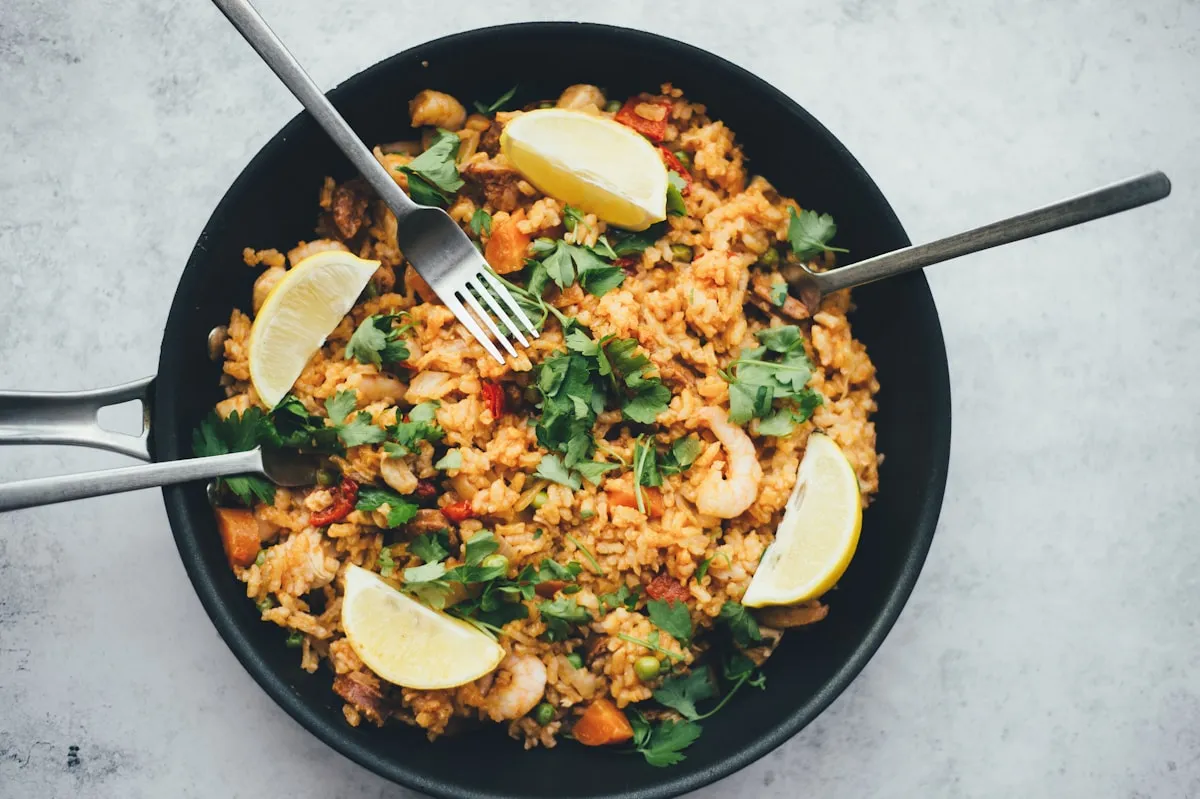
First, use a wide skillet, not a deep pot. This is a non-negotiable for anyone looking for quick family meals. A wide pan increases the surface area, which means the liquid evaporates faster and the heat hits every single grain of rice simultaneously. In a deep pot, the rice at the bottom overcooks while the rice at the top is still bathing in cool broth. A wide skillet ensures a uniform, aggressive simmer that forces the grains to rub against each other: a process I call the "starch slap": which creates that natural sauce.
Second, keep your stock screaming hot. If you add cold or room-temperature liquid to your pan, you’re hitting the "pause" button on the cooking process every few minutes. The rice temperature drops, the starch stops leaching, and you add five minutes to your total time. Keep your broth in a small saucepan on the burner next to your skillet. Every ladle you add should be at a near-boil.
Finally, let’s talk about the Umami Layering Technique. To get deep flavor in a fraction of the time, don't just toss raw mushrooms into the rice. They’ll steam and turn rubbery. Instead, sear your mushrooms in a separate, scorching-hot pan with butter and garlic before you even start the rice. This triggers the Maillard reaction, creating those complex, savory notes that usually take hours to develop in a slow-simmered stew. If you have five extra minutes, rehydrate a handful of dried porcini mushrooms and use that soaking liquid as part of your broth. It’s a cheat code for instant depth.
Minimalist Variations for Every Mood
The beauty of a minimalist base is that it’s a canvas. While garlic butter and cremini mushrooms are the gold standard, you can pivot based on what's in your pantry.
- The Vegan Switch: Swap the butter for a high-quality extra virgin olive oil and the Parmesan for a tablespoon of white miso paste whisked into the final ladle of broth. The miso provides the fermented funk and salinity you’d usually get from cheese, making it one of those excellent healthy dinner ideas that doesn't feel like a compromise.
- The Truffle Cheat: If you want to elevate this to "date night" status, finish the dish with a tiny drizzle of truffle oil or a pinch of truffle salt. Remember, a little goes a long way: don't let the truffle drown out the earthy honesty of the mushrooms.
- The Protein Boost: If you need a heartier meal, fold in some leftover shredded chicken or sautéed shrimp at the very end. Since we’re focusing on quick family meals, don't bother cooking a whole new protein from scratch unless it can be done in the time it takes the rice to hydrate.
Perfect Pairings: Balancing the Richness
Because a garlic butter risotto is inherently rich and creamy, your side dish needs to do some heavy lifting in the acidity department. You want something that cuts through the fat and wakes up your palate.
A simple arugula salad with a sharp lemon vinaigrette is my go-to. The peppery bite of the greens and the citrus zing of the dressing act as a "reset" for your taste buds after every bite of buttery rice. If you’re looking to round out the table for a larger group, consider some quick-roasted vegetables. I often look to air fryer recipes dinner for inspiration here; tossing some asparagus or thin-sliced zucchini into the air fryer for 8 minutes gives you a crispy, charred contrast to the soft risotto without cluttering your stovetop.
If you’re serving this as part of a multi-course meal, keep the other dishes light. A crisp, dry white wine: like a Pinot Grigio or a Sauvignon Blanc: is the ideal companion. The acidity in the wine mimics the lemon in a salad, cleansing the palate and preparing you for that next soulful spoonful of mushrooms.
Frequently Asked Questions
What if my rice is still crunchy after 15 minutes?
This usually happens for one of two reasons: your pan wasn't wide enough, or your heat was too high. If the heat is too high, the liquid evaporates before the core of the rice has a chance to hydrate. Check the texture early. If you’re at the 12-minute mark and it feels like you're eating gravel, add an extra splash of broth, lower the heat, and put a lid on the pan for two minutes. This creates a steam chamber that forces moisture into the grain's center.
Can I use regular long-grain white rice?
Avoid it. Risotto depends on the high starch content of short-grain varieties like Arborio or Carnaroli. Long-grain rice (like Basmati or Jasmine) is designed to stay separate and fluffy. If you try to make risotto with it, you’ll end up with "wet rice" rather than a creamy emulsion. If you’re absolutely stuck, a medium-grain sushi rice is a better emergency substitute than long-grain.
Why is my risotto "soupy" instead of creamy?
You likely didn't stir aggressively enough at the end. The creaminess isn't just from the broth; it's an emulsion formed by the rice starch, the butter, and the cheese. When the rice is al dente, you need to remove it from the heat, add your cold butter and Parmesan, and beat it vigorously with a wooden spoon for about 30 seconds. This is the mantecatura phase, and it’s what turns a puddle of rice into a masterpiece.
Is this actually a healthy dinner idea?
Mushrooms are nutritional powerhouses, packed with B vitamins and antioxidants. By focusing on high-impact flavors like garlic and umami-rich mushrooms, you can use less salt and butter than traditional recipes while still feeling satisfied. If you want to lean further into healthy dinner ideas, try using a low-sodium vegetable broth and doubling the mushroom-to-rice ratio.
Can I make this ahead of time?
Risotto is a "live" dish: it waits for no one. As it sits, the rice continues to absorb moisture, turning the creamy sauce into a thick, sticky block. If you must prep ahead, cook the rice until it's about 75% done, spread it out on a baking sheet to cool rapidly, and then finish the last 5 minutes of cooking right before you're ready to serve.
{“@type”:”BlogPosting”,”image”:”https://cdn.marblism.com/BDng3M9sUKU.webp”,”author”:{“name”:”Cookpedia”,”@type”:”Organization”},”@context”:”https://schema.org”,”headline”:”15-Minute Garlic Butter Mushroom Risotto: Minimalist & Soulful”,”publisher”:{“logo”:{“url”:”https://cookpedia.com/logo.png”,”@type”:”ImageObject”},”name”:”Cookpedia”,”@type”:”Organization”},”description”:”Learn the science and technique behind a 15-minute creamy mushroom risotto. Master the ‘starch slap’ and umami layering for a quick, soulful weeknight meal.”,”datePublished”:”2026-06-19″,”mainEntityOfPage”:{“@id”:”https://cookpedia.com/15-minute-garlic-butter-mushroom-risotto”,”@type”:”WebPage”}}