Recipe
Servings
Servings 1×
Ingredients
- Chicken
- Shrimp
- Pasta
- Noodles
- Broccoli
- Asparagus
- Spinach
- Tomatoes
- Garlic
- Lemon
- Cream
- Hard cheese
- Butter
- Cooking oil
- Soy sauce or tamari
- Salt
- Black pepper
Method
- Prepare the ingredients described in the article and heat the cooking surface or oven as directed.
- Cook the main ingredients using the heat and timing guidance in the article.
- Finish with the seasonings and garnishes named in the article, then serve.
There is a specific kind of magic that happens when you realize that dinner doesn't have to be a multi-hour production to feel like a warm hug. I’ve spent years chasing the "perfect" meal, often overcomplicating things with exotic spices and twenty-step techniques, only to find myself returning to the basics. This 15-minute Garlic Parmesan Spaghetti is the personification of that realization. It’s soulful, minimalist, and exactly what you need when the world feels a bit too loud. It’s one of those simple pasta recipes that proves that with a little bit of science and a lot of garlic, you can create a restaurant-quality emulsion in the time it takes to boil water.
The Science of the Glossy Emulsion
If you’ve ever ended up with a pool of oil at the bottom of your bowl and naked, dry noodles on top, you’ve experienced an emulsion failure. To get that silky, "creamy" sauce without actually using heavy cream, you have to understand the relationship between fat and starch. This is the cornerstone of great 15 minute meals. When you boil your pasta, those little starch granules hydrate and swell, eventually bursting and leaking into the cooking water. This water, often referred to as "liquid gold", is your secret weapon.
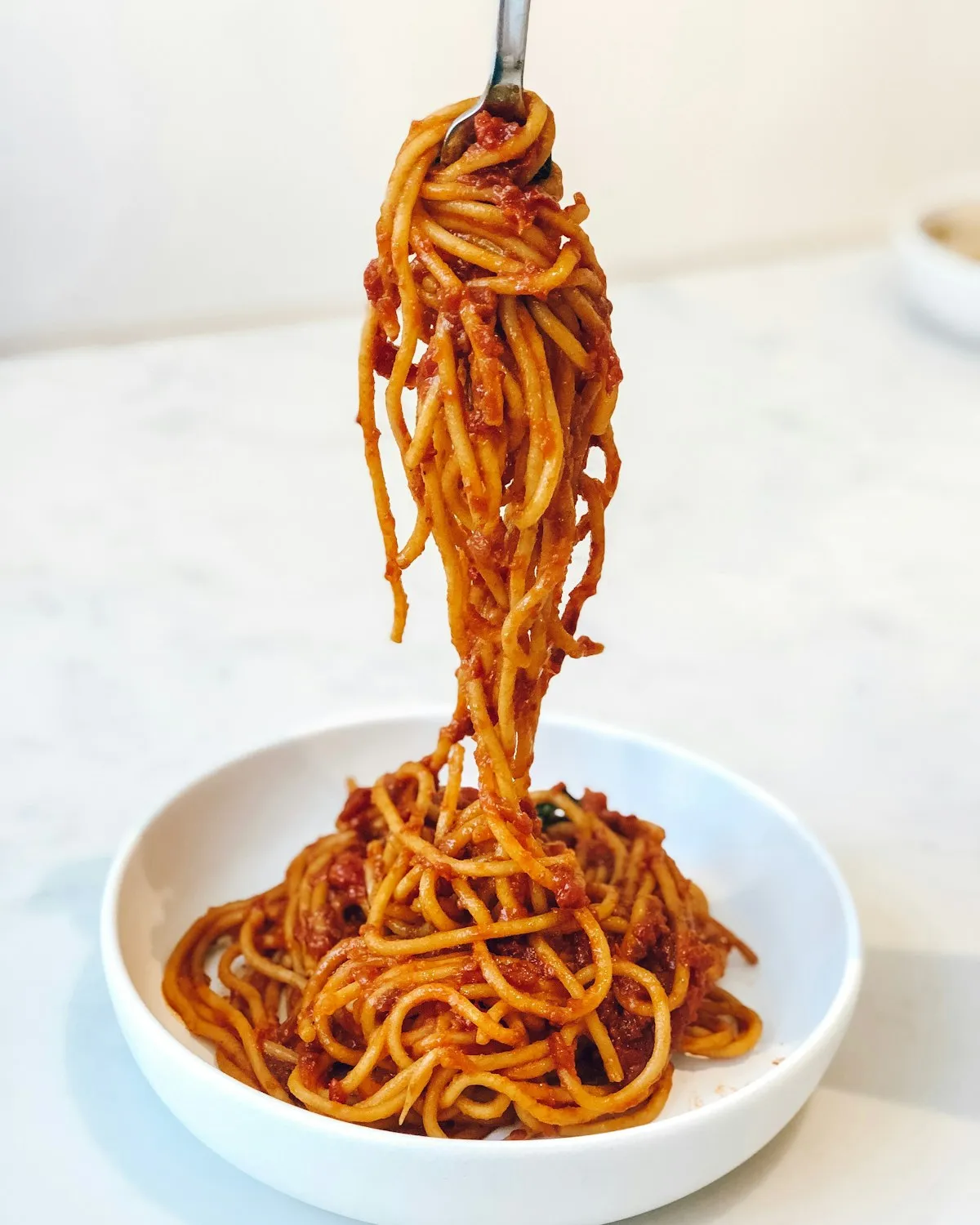
Think of starch as the mediator in a difficult relationship. Oil and water don't want to hang out. But starch molecules have a "water-loving" end and an "oil-loving" end. When you whisk starchy pasta water into your garlic-infused butter or oil, the starch grabs onto the tiny oil droplets and suspends them in the water, creating a stable, creamy liquid that clings to your pasta like a velvet coat. Use a generous amount of salt in your pasta water to ensure the noodles are seasoned from the inside out, and never, ever rinse your pasta. Rinsing washes away the very starch you need to build your sauce.
The garlic isn’t just there for the punchy flavor, either. Science tells us that garlic contains its own natural emulsifiers, like saponins and proteins, which help stabilize the sauce even further. When you "bloom" your garlic, cooking it gently in fat, you aren't just flavoring the oil. You are releasing these compounds into the fat phase of your sauce. Aim for a gentle sizzle rather than a frantic fry. You want the garlic to be sweet, nutty, and mellow. If it turns dark brown or black, it becomes bitter, and there’s no coming back from that. Throw it out and start over; your taste buds will thank you.
Lastly, let’s talk about the Parmesan. If you dump a pile of cold, pre-shredded cheese into a hot pan, it will clump into a rubbery ball. Why? Because pre-shredded cheese is often coated in cellulose to prevent sticking in the bag, and extreme heat causes the proteins in the cheese to tighten and expel their fat. Avoid the green shaker bottle and the pre-shredded bags. Grate your cheese fresh. To incorporate it, turn the heat down and add the Parmesan in small stages, tossing vigorously between each addition. This allows the cheese to melt and emulsify into the starchy water rather than seizing up. It’s the same technique I use for my Lazy Girl One-Pan Cacio e Pepe, and it works every single time.
Elevating the Soul: Flavor Variations
While the minimalist version of this dish is perfection on its own, your kitchen is a playground. The beauty of quick family meals is their adaptability. If you find yourself wanting a bit more "hearth" in your bowl, you can easily pivot without adding much prep time.
For a burst of acidity to cut through the richness of the butter and cheese, toss in a handful of halved cherry tomatoes during the last two minutes of the garlic blooming phase. They will blister and release their juices, creating a light, fruity undertone. If you’re looking for healthy dinner ideas that don't feel like a chore, fold in a few cups of fresh baby spinach or arugula at the very end. The residual heat of the pasta will wilt the greens in seconds, adding color and nutrients without requiring another pan.
If you crave heat, don't just reach for the red pepper flakes. Try "blooming" them in the oil alongside the garlic to distribute that warmth evenly throughout the entire dish. For those who want a protein boost, thinly sliced leftover chicken or even some quick-seared shrimp work wonders. If you're feeling adventurous, you might even take a leaf out of my Viral Garlic Butter Ramen Hack and add a tiny splash of soy sauce for a deep, umami-rich "fusion" twist. The saltiness of the soy sauce complements the Parmesan in a way that feels surprisingly sophisticated.
Balancing the Plate: Side Dish Pairings
Even the most soulful pasta benefits from a companion that offers a different texture or flavor profile. Since this spaghetti is rich, buttery, and salty, you want to look for pairings that provide crunch and acidity. A crisp, bitter green salad, think radicchio, endive, or even a simple lemon-dressed arugula, is the ultimate palate cleanser. The sharpness of a vinaigrette resets your taste buds so every bite of pasta feels like the first one.
If you happen to be running your kitchen like a pro and using your appliances to their full potential, you could easily whip up some roasted vegetables. I often find that air fryer recipes dinner enthusiasts love a quick side of crispy broccoli or asparagus. A ten-minute blast in the air fryer with a little lemon zest and salt provides the perfect charred, crunchy contrast to the soft, silky spaghetti. Check out my guide on Air Fryer Sausage and Pepper Medley if you want to see how I balance textures when I'm in a rush.
Frequently Asked Questions
Why is my sauce watery instead of creamy?
You likely didn't have enough starch or you didn't toss the pasta enough. The "tossing" is mechanical energy that helps the emulsion form. If it’s too watery, turn the heat up slightly and keep tossing until the liquid reduces and binds. If your pasta water wasn't very cloudy (which happens if you use a massive pot for a small amount of pasta), you have less "glue" to work with. Next time, use less water so the starch is more concentrated.
Can I use gluten-free pasta for this?
Yes, but be careful. Gluten-free pasta water is often too starchy or even slimy. Start with less pasta water than you think you need and add it incrementally. The flavor will be the same, but the window for a perfect emulsion is much smaller.
My garlic tastes bitter: what happened?
You burnt it. It happens to the best of us. Garlic has a very high sugar content and a low burn point. If the oil is shimmering and smoking, it’s too hot. The garlic should sizzle gently and turn a pale golden color. If it goes dark brown, the sulfur compounds turn acrid. Wipe the pan and start over; it’s only a two-minute setback.
How do I save leftovers without them becoming a greasy clump?
Pasta with an oil/butter emulsion doesn't reheat as well as tomato-based sauces because the emulsion "breaks" when it cools. To revive it, add a splash of water or milk before reheating and stir constantly. It won't be quite as silky as the first time, but it’ll still be delicious.
What if I don't have fresh Parmesan?
Honestly? Don't make this dish. This is one of those simple pasta recipes where the quality of the ingredients is the whole point. Pre-powdered cheese will not melt; it will just sit on top like salty sand. If you don't have a wedge of Parmesan or Pecorino, wait until your next grocery run. Trust me on this one.
Is this healthy?
In moderation, absolutely. It’s "real food" made from scratch. If you’re looking for more healthy dinner ideas, you can use whole-wheat pasta or chickpea pasta to increase the fiber content, and don't be afraid to double the amount of greens you toss in at the end.
{“@type”:”BlogPosting”,”image”:”https://cdn.marblism.com/5pz0B6eOMMy.webp”,”author”:{“name”:”Cookpedia”,”@type”:”Person”},”@context”:”https://schema.org”,”headline”:”15-Minute Garlic Parmesan Spaghetti: Simple & Soulful”,”keywords”:”simple pasta recipes, 15 minute meals, quick family meals, healthy dinner ideas”,”publisher”:{“logo”:{“url”:”https://cookpedia.com/logo.png”,”@type”:”ImageObject”},”name”:”Cookpedia”,”@type”:”Organization”},”mainEntity”:[{“name”:”Why is my sauce watery instead of creamy?”,”@type”:”Question”,”acceptedAnswer”:{“text”:”This usually happens due to a lack of starch or insufficient tossing. Tossing creates the mechanical energy needed for an emulsion. Use less cooking water next time to concentrate the starch.”,”@type”:”Answer”}},{“name”:”Can I use gluten-free pasta?”,”@type”:”Question”,”acceptedAnswer”:{“text”:”Yes, but gluten-free pasta water can be quite slimy. Add it incrementally to the sauce to avoid an overly thick or sticky texture.”,”@type”:”Answer”}},{“name”:”My garlic tastes bitter—what happened?”,”@type”:”Question”,”acceptedAnswer”:{“text”:”The garlic likely burnt. Garlic has a low burn point; it should only be cooked until pale golden. If it turns dark brown, it’s best to restart.”,”@type”:”Answer”}}],”description”:”Learn the science behind the perfect 15-minute Garlic Parmesan Spaghetti. Master the art of emulsification for a silky, restaurant-quality pasta at home.”,”datePublished”:”2026-06-15″,”articleSection”:”Recipes”,”mainEntityOfPage”:{“@id”:”https://cookpedia.com/15-minute-garlic-parmesan-spaghetti”,”@type”:”WebPage”}}