Recipe
Servings
Servings 1×
Ingredients
- Chicken
- Lemon
- Cooking oil
- Salt
Method
- Prepare the ingredients described in the article and heat the cooking surface or oven as directed.
- Cook the main ingredients using the heat and timing guidance in the article.
- Finish with the seasonings and garnishes named in the article, then serve.
If you’ve ever found yourself staring into the abyss of your refrigerator on a Tuesday night, wondering how to turn a pack of chicken into something that doesn't taste like "diet food," I’ve got you. These 15-Minute Greek Chicken Souvlaki Bowls are my go-to for quick family meals that actually deliver on flavor. We aren't just tossing things in a bowl here; we’re leveraging thermodynamics and molecular restructuring to get restaurant-quality results in less time than it takes to scroll through a delivery app. By understanding the "why" behind the sizzle, you can transform a simple healthy dinner idea into a weeknight victory.
The Thermodynamics of the Perfect Sear
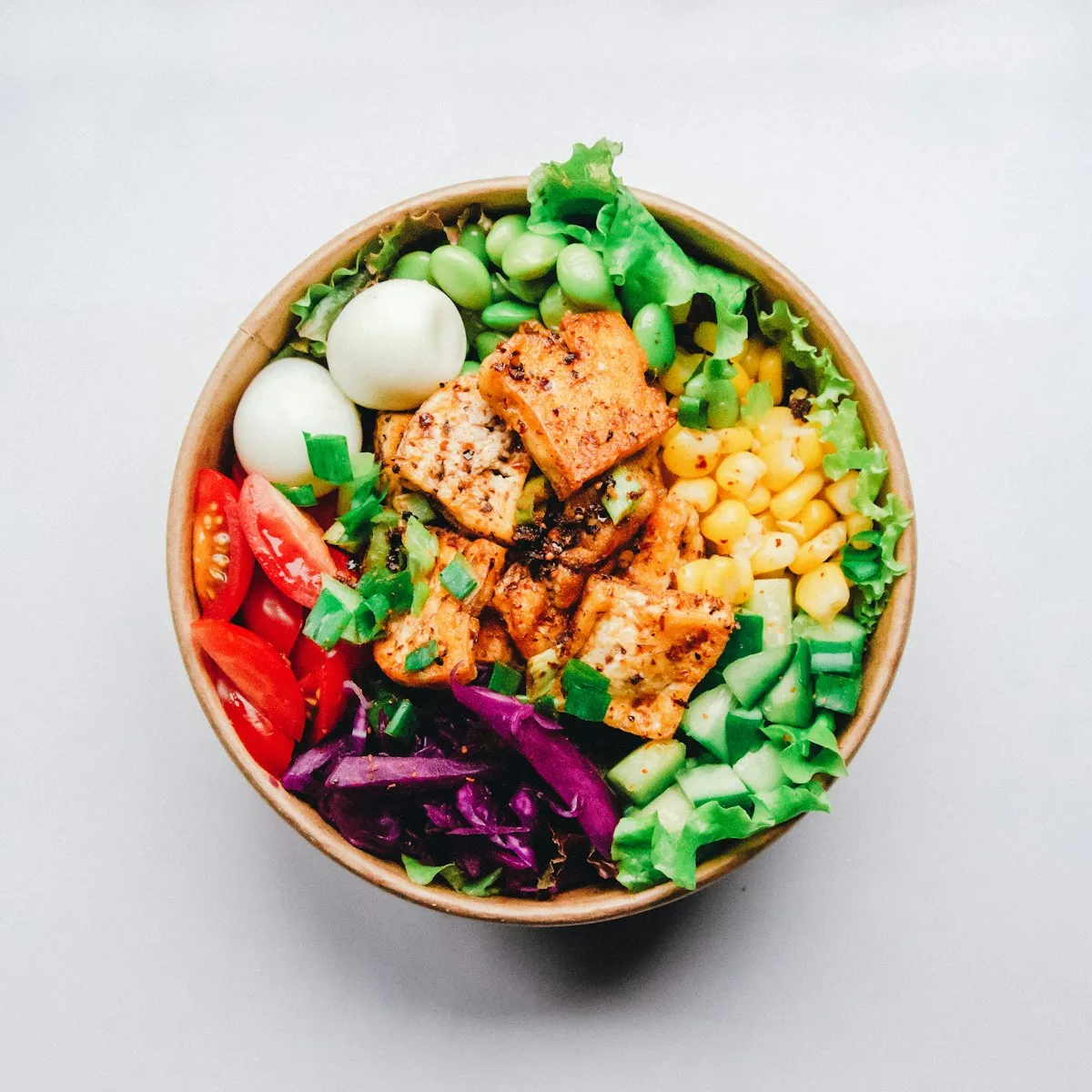
To get that deep, savory crust on your chicken in record time, you need to master the Maillard reaction. This is a chemical dance between amino acids and reducing sugars that occurs around 280°F to 330°F. The problem? Your marinade is full of lemon juice, which is an acid. Acidic environments actually slow down the Maillard reaction because they reduce the number of reactive amino groups available. To fight back, pat your chicken bone-dry before it hits the pan. Moisture is the enemy of browning; any surface water must evaporate before the temperature can rise high enough to trigger those flavor-forming reactions.
Use a heavy skillet, ideally cast iron, to maintain a high thermal mass. When the cold chicken hits the surface, you don't want the temperature to plummet. If you prefer the set-it-and-forget-it route, you can adapt this for air fryer recipes dinner style by preheating the basket to 400°F. The high-velocity convection air helps strip away surface moisture, mimicking the sear of a pan while keeping the cleanup minimal. You can see more about air-fryer precision in my guide to kielbasa and pierogies.
Next, let's talk about acid denaturation. Lemon juice and vinegar don't just add brightness; they physically "cook" the protein by unravelling its structure. For a 15-minute meal, you only want about 10 minutes of contact time. Any longer with high-acid marinades and the surface of your chicken will turn mushy and mealy. Keep the soak short to ensure the interior stays succulent while the exterior remains firm enough to crisp up.
Finally, consider the salt. Salt is the only ingredient in your marinade that actually penetrates the muscle fibers significantly. It moves through the meat via diffusion, rearranging proteins to increase their water-holding capacity. If you have five extra minutes, salt the chicken before adding the oil and herbs. This "dry brine" phase ensures that when you apply high heat, the juices stay locked inside the cell walls rather than leaking out into the pan.
Variations for Every Biological Engine
While the classic souvlaki bowl relies on a base of grains like farro or rice, you can optimize your bowl based on your daily caloric needs or dietary goals. For those looking for healthy dinner ideas that lean toward the low-carb side, swap the grains for cauliflower rice or a bed of shredded kale. If you go the cauliflower route, sauté it briefly with a pinch of cumin and lemon zest to bridge the flavor profile of the chicken.
If you’re catering to a plant-based household, firm tofu or halloumi cheese makes an excellent protein substitute. Both possess enough structural integrity to withstand a high-heat sear. Tofu, being porous, actually benefits more from the acid denaturation than chicken does, though you should press it for at least 15 minutes prior to marinating to ensure the marinade can actually displace the internal water.
For a high-energy version, stick with ancient grains like farro or quinoa. These provide a complex carbohydrate structure that releases energy slowly, making them one of the most efficient quick family meals for active evenings. You can even experiment with a "cold bowl" version by using chilled pasta, turning the dish into a Mediterranean-style pasta salad. The chemistry remains the same, it’s all about the balance of fat, acid, and heat.
Pairing for Palate Equilibrium
A great souvlaki bowl is a lesson in contrast. You have the warm, savory, Maillard-rich chicken, so you need something cold, sharp, and fatty to reset the palate. This is where your side pairings come in. Use quick-pickled red onions to provide a hit of acetic acid that cuts right through the richness of the chicken and the creaminess of the sauce.
The tzatziki isn't just a topping; it’s a colloidal suspension. To keep it from becoming a watery mess, you must respect the laws of osmosis. When you grate your cucumber, the salt you add draws water out of the cell walls. Squeeze the cucumber dry with a kitchen towel before folding it into the yogurt. If you skip this, the free water will break your yogurt emulsion, leading to a thin, unappealing sauce.
If you want to dive deeper into the physics of how to emulsify fats and acids for the perfect mouthfeel, check out my notes on achieving glossy sauces. For these bowls, a side of warm, charred pita bread is non-negotiable. The char provides a bitter counterpoint to the sweet cherry tomatoes and the cooling cucumber, completing the flavor wheel.
FAQ: Troubleshooting Your Bowl Physics
Why is my chicken rubbery instead of tender?
Rubbery chicken is usually a symptom of overcooking, which causes the protein fibers to tighten and squeeze out all moisture. Use an instant-read thermometer and pull the chicken at 160°F; the carryover heat will bring it to the food-safe 165°F without turning it into a pencil eraser. Alternatively, you might have marinated it in lemon juice for too long (over 4 hours), causing the surface proteins to denature into a tough, leathery skin.
Can I use chicken thighs instead of breasts?
Absolutely. In fact, thighs are more forgiving due to their higher lipid (fat) content and connective tissue. While breasts dry out quickly at high heat, thighs contain more monounsaturated fats that lubricate the muscle fibers. If you use thighs, you can push the sear a bit further to render out the fat, resulting in a crispier exterior.
My tzatziki is way too thin. What happened?
You likely fell victim to cucumber osmosis. If you don't aggressively salt and drain the cucumbers, they will continue to leak water into the yogurt after you've mixed it. Check your yogurt type as well. Only use strained Greek yogurt. Regular yogurt has too much whey (the liquid part of milk), which lacks the structural viscosity needed to hold the oil and cucumber in a stable suspension.
Is it okay to use dried herbs instead of fresh?
Yes, but remember that dried herbs are more concentrated and have different volatile compounds. Dried oregano, a staple in Greek cooking, is actually more heat-stable than fresh. Avoid adding fresh herbs to the hot pan, as the high heat will destroy their delicate aromatic oils. Save the fresh parsley or dill for the final garnish to ensure you get that hit of "fresh" scent when the bowl hits the table.
How do I prevent the garlic from burning?
Garlic has a high sugar content and very little water, meaning it burns much faster than chicken. If you’re searing in a pan, add your minced garlic during the last 60 seconds of cooking. This allows enough time for the allicin to convert into those mellow, savory flavors without the garlic undergoing pyrolysis (burning), which produces a bitter, acrid taste that ruins the whole bowl.