Recipe
Servings
Servings 1×
Ingredients
- Chicken
- Salmon
- Shrimp
- Cod
- Tofu
- Chickpeas
- Quinoa
- Pearled barley
- Pasta
- Rice
- Cauliflower
- Carrots
- Tomatoes
- Lemon
- Honey
- Mustard
- Hard cheese
- Feta
Method
- Use a large pot of salted water and let those grains swim.
- Drain it immediately and spread it out on a baking sheet.
- Use a small amount of Dijon mustard as your stabilizer.
- Whisk the zest directly into the oil first to "bloom" those flavors before adding the acid.
- Use what you have, but adjust your expectations.
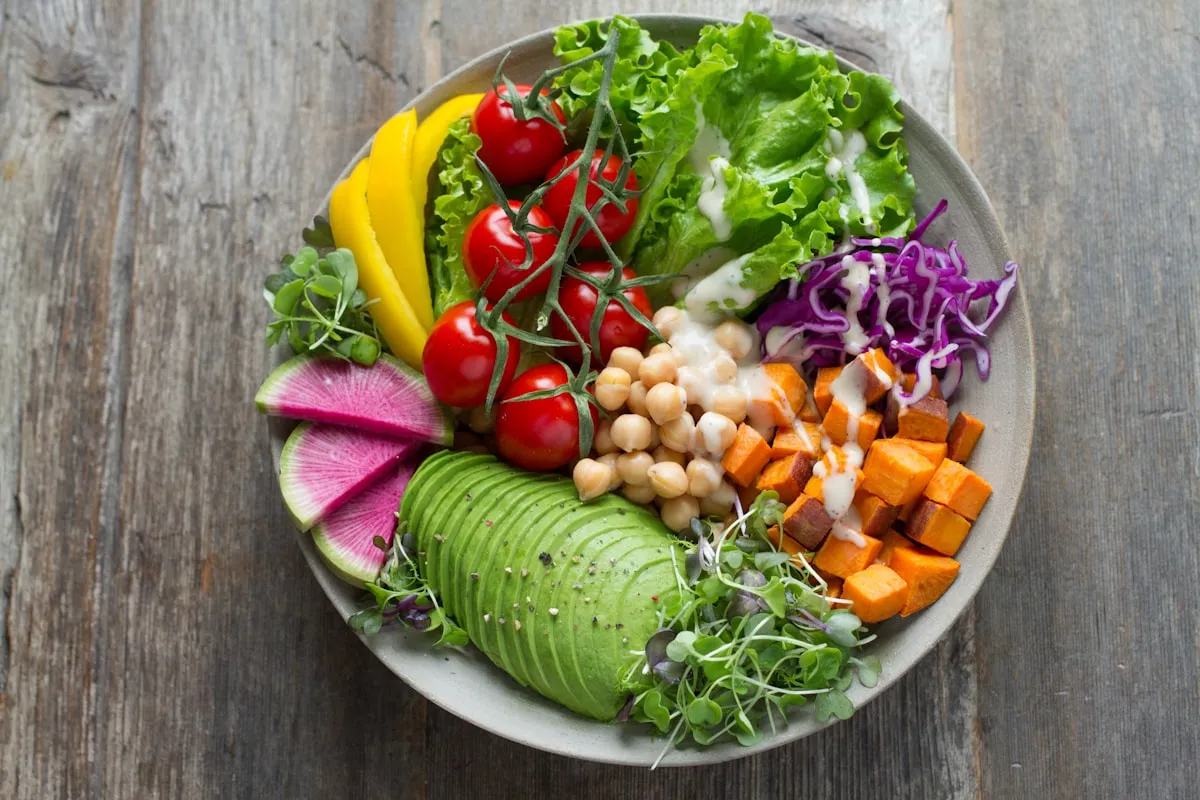
You know those days when the clock is ticking, the family is circling the kitchen like hungry sharks, and your brain is a complete blank? I’ve been there. My answer is almost always a grain bowl. But let’s be honest: quinoa can get boring, and rice takes too long. Enter farro. It is the chewy, nutty underdog of the grain world that deserves a permanent spot in your pantry. This 15-minute Greek farro salad is my secret weapon for quick family meals that actually taste like they took an hour of prep. It’s bright, zingy, and robust enough to keep you full until breakfast.
The Science of Chew: Tips & Technique
Why farro? If you’re tired of grains that turn into mush the second they hit a dressing, farro is your new best friend. It’s an ancient wheat grain with a thick husk that provides a delightful "pop" when you bite into it. However, the secret to hitting that 15-minute mark is all about the variety you buy. Look for "pearled" or "semi-pearled" farro. Pearled farro has had its bran removed, allowing water to penetrate the grain much faster. If you buy "whole" farro, you’ll be waiting forty minutes, and nobody has time for that on a Tuesday.
Master the Rapid Boil
Treat your farro like pasta, not like rice. Don't worry about measuring the water to a perfect ratio. Use a large pot of salted water and let those grains swim. This prevents the starches from concentrating and making the grains sticky. Check the texture at the 10-minute mark; you want "al dente," which means it should have a firm bite but no raw, floury center. Drain it immediately and spread it out on a baking sheet. This is a pro move: spreading the grains increases the surface area, allowing steam to escape quickly. This stops the cooking process and ensures your salad doesn't turn into a warm, soggy heap.
The Magic of Emulsification
Now, let’s talk about that lemon vinaigrette. This isn't just about mixing oil and acid; it's about chemistry. When you whisk lemon juice and olive oil together, you’re creating an emulsion. Use a small amount of Dijon mustard as your stabilizer. The mustard contains mucilage, which acts as a bridge between the water-based lemon juice and the fat-based oil. Without it, your dressing will separate in seconds, leaving your farro greasy on the bottom and sour on the top.
Always zest your lemon before you juice it. The essential oils in the yellow skin provide a floral, aromatic punch that the juice alone lacks. Whisk the zest directly into the oil first to "bloom" those flavors before adding the acid. Salt your vegetables: specifically the cucumbers and tomatoes: separately before adding them to the grain. This draws out a bit of their moisture through osmosis, creating a mini-brine that melds perfectly with the dressing.
Temperature Management
Avoid tossing the feta cheese into the farro while it's still piping hot. If the grains are too warm, the cheese will melt into a cloudy, greasy film. Wait until the farro is room temperature. This preserves the structural integrity of the feta, giving you those distinct, salty pops of flavor that contrast against the nutty grain. Check the seasoning one last time right before serving; cold or room-temperature dishes often need a touch more salt than hot ones because our taste buds are less sensitive to salt at lower temperatures.
Flavor Variations: Beyond the Classic Greek
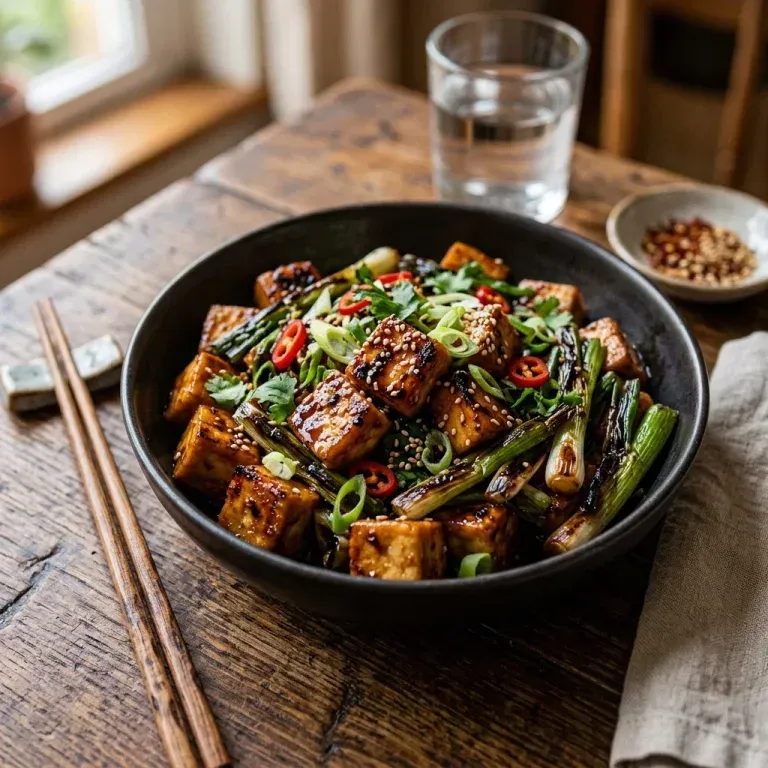
Once you’ve mastered the base, you can treat this recipe like a blank canvas. If you’re looking for healthy dinner ideas that cater to different dietary needs, start swapping. While farro is a wheat product, you can easily pivot to a grain-free version by using cauliflower rice or even hemp hearts for a similar textural contrast.
If the acidity of the lemon is too sharp for you, balance it out with a spoonful of honey or maple syrup in the vinaigrette. This creates a "gastrique" effect where the sugar rounds out the harsh edges of the citric acid. For a protein boost, toss in some Air Fryer Tofu or canned chickpeas. The chickpeas add a creamy texture that plays beautifully against the chewy farro.
If you’re feeling more Mediterranean than strictly Greek, swap the feta for shaved parmesan and the oregano for fresh basil. You can even lean into a North African profile by adding cumin to the dressing and swapping the cucumbers for roasted carrots and raisins. The key is to maintain the balance: you need a chewy base, a crunchy vegetable, a salty fat (like cheese or olives), and a sharp acid.
Perfect Side Dish Pairings
While this salad is a powerhouse on its own, it plays very well with others. If you want to round out a full spread, consider pairing it with a lean protein. A piece of flaky Baked Cod or some grilled chicken skewers will turn this into a feast.
If you're using your kitchen gadgets to save time, look into air fryer recipes dinner enthusiasts rave about: specifically air-fried salmon. The high-heat circulation of the air fryer creates a crispy exterior on the fish that mimics a professional sear, providing a wonderful textural counterpoint to the soft, dressed grains.
For a vegetarian spread, serve this alongside a big plate of roasted red peppers or a smoky baba ganoush. The acidity in the farro salad acts as a palate cleanser for richer, roasted vegetable dishes. You can even serve it alongside a bowl of Shrimp Pad Thai if you’re doing a "fusion" night: though I usually stick to a crusty loaf of sourdough to soak up any leftover lemon vinaigrette.
Common Questions (FAQ)
Can I make this salad ahead of time?
Absolutely. In fact, farro is one of the few grains that actually improves after sitting in the fridge. Unlike pasta, which absorbs sauce and turns mushy, farro maintains its structure. The grains will marinate in the lemon vinaigrette, absorbing the flavor deep into their core. If you're meal prepping, keep the feta and fresh herbs separate until you're ready to eat to keep them vibrant.
My farro is still crunchy after 15 minutes. What happened?
You likely bought "whole" farro rather than pearled or semi-pearled. Whole farro has the complete bran intact, which acts like a suit of armor against boiling water. If you find yourself with the whole-grain version, you can soak it overnight in water to speed up the process, or just settle in for a 40-minute simmer. Check the packaging carefully next time!
Is farro gluten-free?
No. Farro is a type of wheat (specifically emmer, spelt, or einkorn). If you are looking for a gluten-free or grain-free alternative that still offers a chewy texture, try sorghum or even a high-quality wild rice blend. They won't hit the 15-minute mark as easily, but they offer a similar "soulful" bite.
Why is my dressing so oily?
This happens when the emulsion breaks or if the ratio is off. A classic vinaigrette ratio is three parts oil to one part acid. However, for a salad with absorbent grains like farro, I often move closer to a two-to-one ratio. The farro needs that extra hit of acid to cut through its natural starchiness. Ensure you are whisking vigorously while drizzling the oil slowly into the lemon juice to lock that emulsion in place.
Can I use bottled lemon juice?
Avoid it if you can. Bottled lemon juice often contains preservatives like sodium benzoate which give it a metallic, "off" aftertaste. Since this salad relies on the brightness of the citrus to carry the flavor, fresh lemon is a non-negotiable. Plus, you’d miss out on the zest, which is where half the flavor lives!
What if I don't have farro?
Use what you have, but adjust your expectations. Barley is the closest substitute in terms of texture and flavor, though it takes longer to cook. Bulgur wheat is a great "quick" alternative, but it's much softer and lacks the iconic farro "pop." If you’re in a real pinch, a large pearl couscous (Israeli couscous) works beautifully for quick family meals but won't have the same nutritional profile.