Recipe
Servings
Servings 1×
Ingredients
- Chicken
- Salmon
- Chickpeas
- Beans
- Quinoa
- Bread
- Potatoes
- Sweet potatoes
- Cucumber
- Tomatoes
- Onion
- Lemon
- Honey
- Mustard
- Hard cheese
- Feta
- Cooking oil
- Chili seasoning
Method
- Let’s be honest: most of us treat salads as the "boring side dish" that we eat out of obligation.
- Use sea salt only at the very last second before serving.
- Whisk your acid and mustard together first, then slowly drizzle in your extra virgin olive oil while whisking vigorously.
- Drain them, rinse them until the water runs clear, and pat them dry.
- Use it to scoop up the stray chickpeas and bits of feta at the bottom of the bowl.
- Combine them only when you're ready to eat.
Let’s be honest: most of us treat salads as the "boring side dish" that we eat out of obligation. But when you’re staring down a busy Tuesday with zero energy left to cook, a bowl of greens usually isn't going to cut it. You need substance, you need crunch, and you need it on the table before the kids start staging a mutiny. That’s where this Greek Salad with Chickpeas comes in. It’s one of my favorite 15 minute meals because it bridges the gap between a light appetizer and a filling main course. By adding protein-dense chickpeas, we transform a classic Mediterranean staple into one of those healthy dinner ideas that actually leaves you feeling satisfied.
The Science of Crunch and the Osmosis Factor
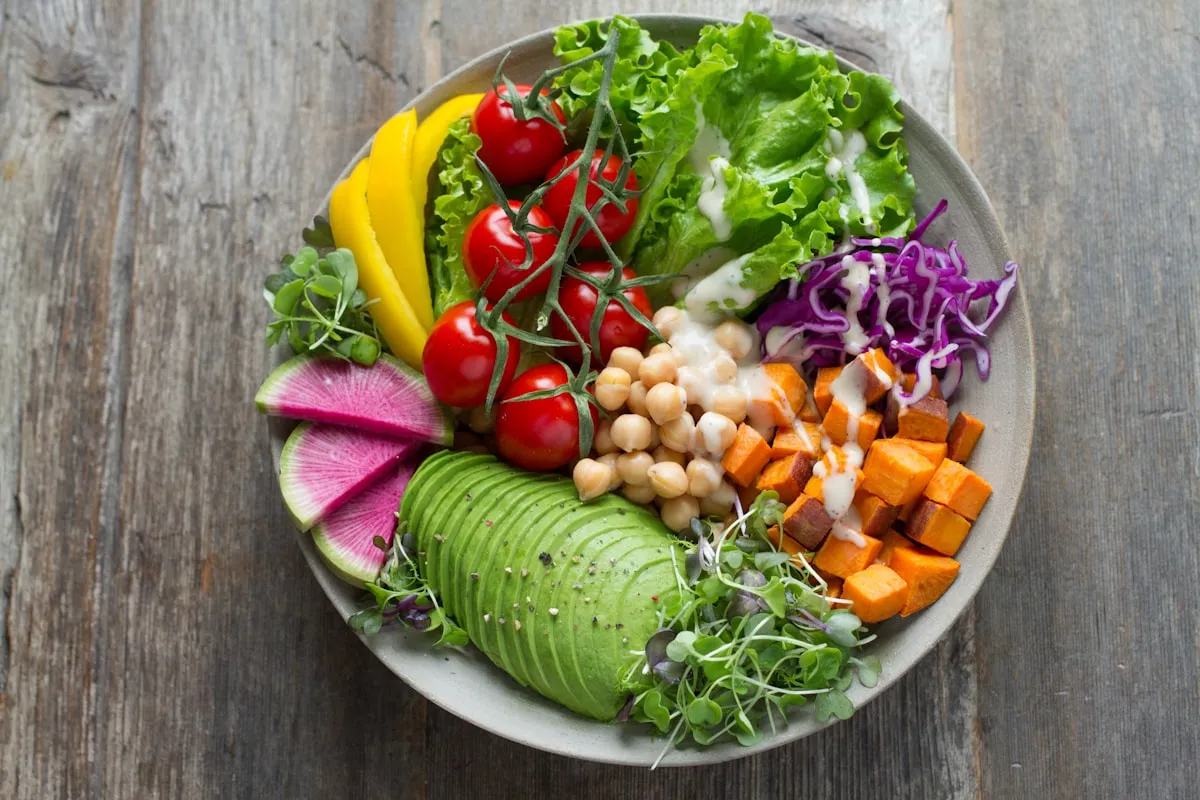
If you’ve ever had a Greek salad that turned into a soupy mess at the bottom of the bowl, you’ve witnessed the power of osmosis firsthand. Most people think making a salad is just tossing things in a bowl, but there is some serious plant biology at play here. Cucumbers are roughly 95% water. When you introduce salt into the equation, you’re creating a high-solute environment outside the cucumber cells. Through osmosis, the water inside the cucumber rushes out to meet the salt.
To keep your salad from drowning in its own juices, timing is everything. Use sea salt only at the very last second before serving. If you salt your cucumbers too early, they’ll lose their structural integrity and turn soft. However, if you want a slightly more pickled, tender texture, let them sit with a pinch of salt for five minutes before adding the other ingredients. This draws out just enough moisture to concentrate the cucumber flavor.
Next, let's talk about the dressing. A great salad relies on a stable emulsion. Have you ever noticed how oil and vinegar immediately separate into ugly globs? That’s because they are chemically incompatible. To fix this, use an emulsifier like Dijon mustard or even a little bit of honey. The molecules in mustard act as a bridge, holding the fat and the acid together in a creamy, unified state. Whisk your acid and mustard together first, then slowly drizzle in your extra virgin olive oil while whisking vigorously. This mechanical action breaks the oil into tiny droplets that the emulsifier can then trap.
When it comes to the chickpeas, texture is king. If you’re using canned chickpeas (and for a 15-minute meal, you definitely should), rinse them thoroughly. Canned beans are packed in a liquid called aquafaba, which is full of starches and proteins. While great for vegan baking, it’s slimy and salty in a fresh salad. Drain them, rinse them until the water runs clear, and pat them dry. Drying the chickpeas allows the dressing to actually stick to the surface rather than sliding off a film of water.
Finally, pay attention to your feta. Avoid the pre-crumbled stuff if you can. Pre-crumbled feta is often treated with anti-caking agents like potato starch to keep the bits from sticking together. This messes with the mouthfeel and dulls the sharp, salty tang. Buy a block of feta in brine, pat it dry, and crumble it yourself right into the bowl. The difference in creaminess is non-negotiable.
Building Your Own Mediterranean Masterpiece
One of the reasons this dish ranks so high among quick family meals is its sheer versatility. You don't have to follow a rigid blueprint to get a great result. The core principle of a Greek salad is the balance between acidity, fat, and salt. As long as you maintain that ratio, you can swap ingredients to suit what's in your pantry.
- The Grain Bulk-Up: If you have an extra five minutes, toss in some cooked quinoa or farro. The grains soak up the dressing and provide a chewy contrast to the crisp cucumbers.
- The Heat Factor: If you like a little kick, add some sliced pepperoncini or a pinch of red chili flakes to the dressing. The heat cuts through the richness of the feta beautifully.
- The Herb Swap: While dried oregano is the traditional choice, fresh mint or dill can completely change the profile of the dish. Mint adds a cooling, refreshing finish that is incredible on hot summer nights.
- The Nutty Crunch: Toasted pine nuts or slivered almonds add a layer of earthy fat that complements the chickpeas. Just a quick toast in a dry pan for two minutes is all it takes.
Perfect Pairings for the Ultimate Plate
While this chickpea-loaded salad is hearty enough to stand on its own, sometimes you want a little something extra to round out the meal. When looking for healthy dinner ideas, think about what will complement the acidity of the lemon and vinegar dressing.
A side of warm, charred pita bread is the obvious choice. Use it to scoop up the stray chickpeas and bits of feta at the bottom of the bowl. If you want to lean into the protein, a skewer of grilled lemon-herb chicken or some seared salmon works perfectly. The charred, smoky notes from the grill provide a wonderful counterpoint to the cold, crisp vegetables. For a purely plant-based addition, a small dish of roasted red pepper hummus or baba ganoush provides a creamy texture that contrasts with the crunch of the salad.
Remember, the goal is balance. If your salad is very heavy on the olives and feta (the salty components), pair it with something more neutral like a simple whole-grain bread or a side of roasted sweet potatoes. You can find more inspiration for balancing your meals on the Cookpedia homepage.
Your Salad Questions, Answered
Can I make this salad ahead of time for meal prep?
Yes, but with a caveat. If you mix the dressing with the cucumbers and tomatoes too early, the osmosis we talked about will make everything soggy by day two. If you're prepping for the week, keep the chopped vegetables and chickpeas in one container and the dressing in a separate jar. Combine them only when you're ready to eat.
Do I have to peel the cucumbers?
It depends on the variety. English cucumbers (the long, skinny ones wrapped in plastic) have very thin, edible skins. Standard garden cucumbers have thick, waxy skins that can be bitter and tough. If you're using the latter, definitely peel them. If you’re using Persian cucumbers, leave the skin on for extra fiber and color.
What is the best substitute for chickpeas?
If chickpeas aren't your thing, cannellini beans or navy beans are excellent substitutes. They have a creamier texture but still provide that necessary hit of protein that makes this one of the best 15 minute meals in your rotation.
Why is my dressing so oily?
You likely didn't achieve a full emulsion or your ratio of oil to acid is off. A standard ratio is 3 parts oil to 1 part acid (vinegar or lemon juice). If it’s still separating, add a bit more mustard and whisk harder. The mustard is the "glue" that holds it all together.
Is it okay to use dried herbs?
Absolutely. In fact, dried oregano is traditional in Greek salads because its flavor is more concentrated. Just make sure to crush the dried herbs between your palms before adding them to the dressing to release the essential oils.
Can I use a different cheese if I don't like feta?
Feta provides a specific salty tang, but if you need a substitute, try a firm goat cheese or even some shaved parmesan. Avoid soft cheeses like brie, as they will just disappear into the dressing and make the whole thing look muddy.
How do I take the "bite" out of raw onions?
If raw red onions are too sharp for you, soak the slices in a bowl of cold water for about 10 minutes before adding them to the salad. This washes away the sulfurous compounds that cause that lingering onion aftertaste.
For more tips on mastering quick, soul-satisfying cooking, check out our other guides at Cookpedia.