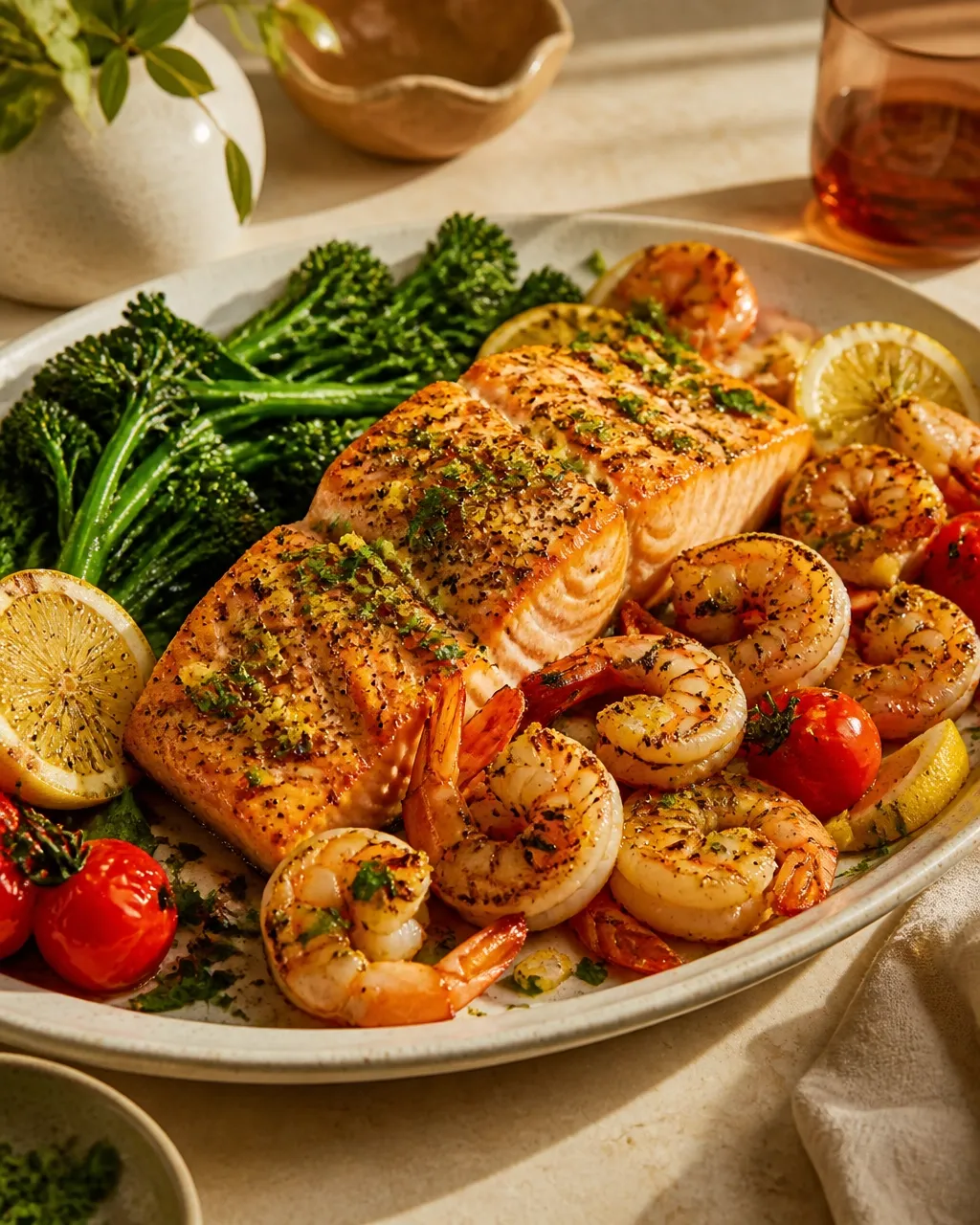
Recipe
Servings
Servings 1×
Ingredients
- Salmon, skin on if desired
- Balsamic vinegar
- Honey
- Garlic
- Olive oil
- Fresh lemon
- Asparagus, kale, or roasted Brussels sprouts
Method
- Thaw the salmon completely if frozen and pat it very dry.
- Combine balsamic vinegar, honey, garlic, and olive oil into a glaze, keeping it just thick enough to coat a spoon.
- Cook the salmon with the skin on by searing, roasting, or using an air fryer, then coat it with the glaze.
- Keep the garlic fragrant rather than brown and do not over-reduce the balsamic, or the glaze will turn bitter.
- Finish with lemon and serve with asparagus, kale, or roasted Brussels sprouts.
Side Dish Harmony
The honey balsamic glaze is bold, so your sides need to be team players. You want something that balances the sweetness with either acidity or a bit of bitterness.
- Bitter Greens: Sautéed kale or roasted Brussels sprouts are perfect partners. Their natural bitterness cuts through the richness of the salmon and the sugar in the glaze.
- Bright Grains: A simple quinoa or a garlic butter rice provides a neutral base that soaks up any extra glaze without competing for attention.
- Roasted Asparagus: This is the ultimate "no-brainer" side. Toss them in olive oil and salt, and they can cook in the oven or air fryer alongside the salmon.
Remember the rule of balance: if the main is sweet and rich, the side should be sharp and fresh. A squeeze of lemon over the entire plate right before serving can act as a "flavor bridge," tying the sweet salmon to the savory vegetables.
Frequently Asked Questions
Can I use frozen salmon for this?
Yes, but you have to thaw it completely and pat it dry. Frozen salmon often releases more moisture during cooking because the ice crystals break down some of the cell walls in the fish. If you don't dry it thoroughly, your glaze will become a watery mess.
Why is my balsamic glaze bitter?
Bitterness usually comes from one of two things: burnt garlic or over-reduced balsamic. If you are adding garlic to your glaze, make sure it only cooks until fragrant. If you simmer the balsamic for too long, the sugars will eventually burn, turning that lovely sweetness into a harsh, metallic tang. Keep an eye on the consistency; it should coat a spoon, not look like tar.
Should I leave the skin on?
Absolutely. Even if you don't plan on eating the skin, it acts as a thermal barrier that protects the delicate flesh of the fish from the direct heat of the pan or air fryer. Plus, if you're searing it, crispy salmon skin is basically the bacon of the sea. Why would you throw that away?
Is this a good option for meal prep?
Salmon is best eaten fresh, but if you’re using it for healthy dinner ideas throughout the week, it holds up reasonably well. Store it in an airtight container and reheat it gently. Avoid the microwave if you can; a few minutes in a low oven or back in the air fryer will keep the texture from becoming rubbery.
What if I don't have balsamic vinegar?
You can substitute with apple cider vinegar and a little extra honey, but you’ll miss that deep, complex grape flavor that only balsamic provides. If you're in a pinch, red wine vinegar also works, but the result will be much sharper and less syrupy.
Can I use this glaze for air fryer recipes dinner with other proteins?
Most definitely. This glaze is a "chameleon" sauce. It works wonders on chicken thighs, pork chops, or even thick-cut roasted carrots. The science remains the same: the sugars will caramelize and the acids will brighten the protein, regardless of what's on the menu.
{“@type”:”BlogPosting”,”image”:”https://cdn.marblism.com/lgWo81tdQGg.webp”,”author”:{“name”:”Cookpedia”,”@type”:”Organization”},”@context”:”https://schema.org”,”headline”:”Soulful 15-Minute Honey Balsamic Glazed Salmon”,”publisher”:{“logo”:{“url”:”https://cookpedia.com/logo.png”,”@type”:”ImageObject”},”name”:”Cookpedia”,”@type”:”Organization”},”mainEntity”:{“@type”:”FAQPage”,”mainEntity”:[{“name”:”Can I use frozen salmon for this?”,”@type”:”Question”,”acceptedAnswer”:{“text”:”Yes, but ensure it is fully thawed and patted extremely dry to prevent the glaze from becoming watery.”,”@type”:”Answer”}},{“name”:”Why is my balsamic glaze bitter?”,”@type”:”Question”,”acceptedAnswer”:{“text”:”Bitterness usually results from burnt garlic or over-reducing the balsamic vinegar until the sugars scorch.”,”@type”:”Answer”}},{“name”:”Should I leave the skin on?”,”@type”:”Question”,”acceptedAnswer”:{“text”:”Yes, the skin protects the flesh from overcooking and provides a delicious crispy texture when seared properly.”,”@type”:”Answer”}}]},”description”:”Learn the science behind the perfect 15-minute honey balsamic glazed salmon. Discover tips for the perfect sear, variations for quick family meals, and healthy dinner ideas.”,”datePublished”:”2026-06-14″}