Recipe
Servings
Servings 1×
Ingredients
- Salmon
- Pasta
- Avocado
- Garlic
- Lemon
- Honey
- Mustard
- Cooking oil
Method
- Use a paper towel and press firmly until the surface is matte, not shiny.
- Use an oil with a high smoke point like avocado or grapeseed oil.
- Heat your skillet until the oil shimmers like a desert mirage.
- Cook in batches if you have to.
If you have fifteen minutes and a serious hunger for something that tastes like a five-star kitchen effort without the five-star cleanup, you’ve landed in the right place. My blog is all about getting "real food" on the table fast, and these honey garlic salmon bites are the absolute crown jewel of 15 minute meals. They are sticky, sweet, savory, and have that perfect crispy edge that makes you forget you’re actually eating something healthy. We’re taking a classic fillet and turning it into bite-sized morsels of joy that cook in a fraction of the time.
The Science of the Sear: Why Bites Beat Fillets
When you look at a standard salmon fillet, you’re looking at a thermal challenge. The center is thick, the edges are thin, and by the time the middle is flaky, the outside is often bordering on "tuna-can dry." By cubing the salmon into uniform pieces, you change the physics of the pan. You increase the surface area significantly, which means more room for the Maillard reaction, that glorious chemical dance between amino acids and reducing sugars that creates the brown, flavorful crust we all crave.
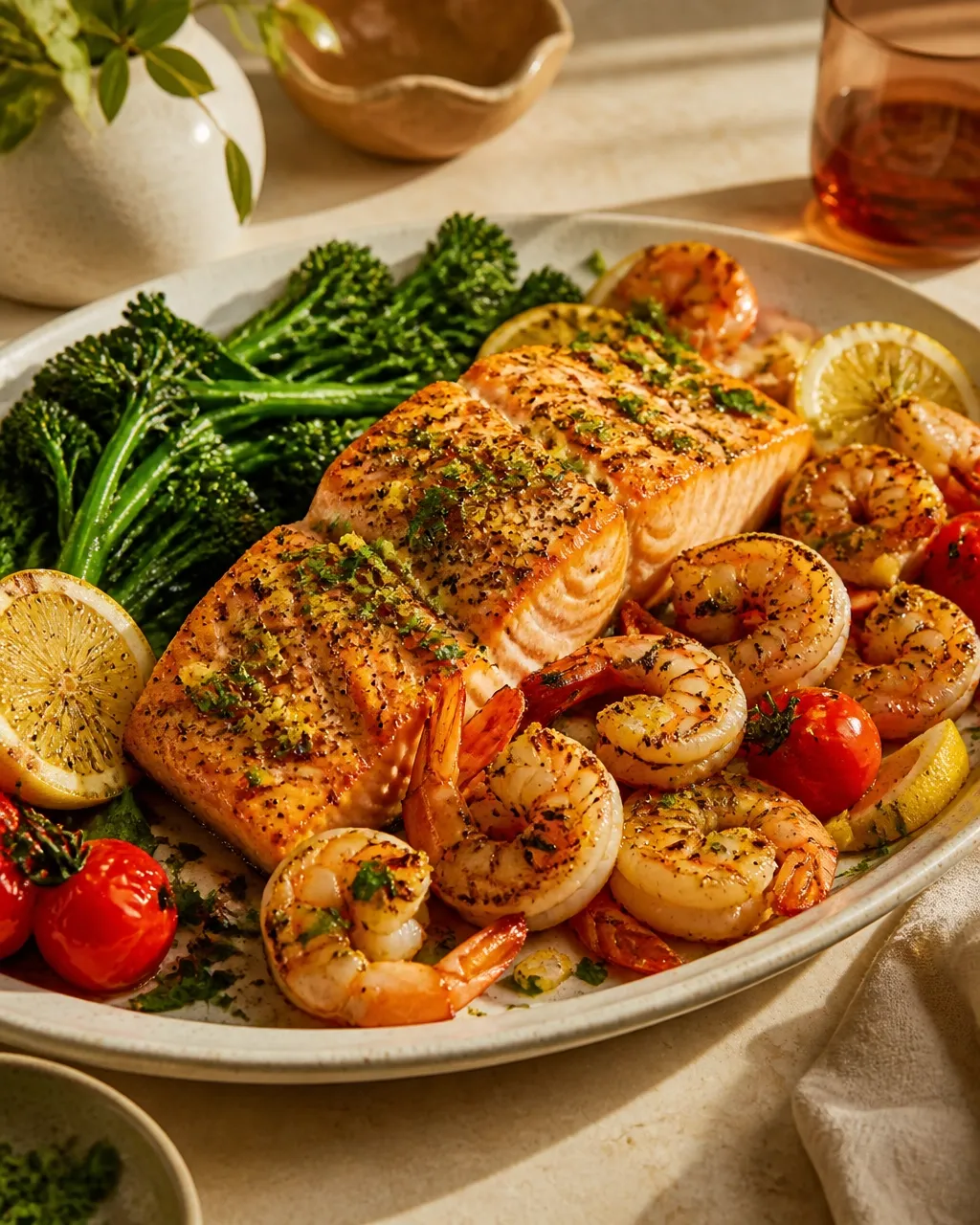
Dry your fish religiously. This is the first non-negotiable rule of my kitchen. Moisture is the enemy of the sear. If your salmon is damp when it hits the oil, the heat will be spent evaporating that water into steam rather than browning the proteins. Use a paper towel and press firmly until the surface is matte, not shiny. This ensures that the moment the fish hits the pan, the temperature stays high enough to trigger browning instantly.
Control your smoke point. Use an oil with a high smoke point like avocado or grapeseed oil. Avoid extra virgin olive oil for this specific high-heat task; its lower smoke point means it will break down and taste bitter before your salmon gets its crust. Heat your skillet until the oil shimmers like a desert mirage. If you drop a piece of fish in and it doesn't immediately "scream" (that loud, aggressive sizzle), take it out and wait.
Don't crowd the pan. This is where many home cooks fail. If you dump all your cubes in at once, the pan temperature will plummet, the fish will release juices, and you’ll end up boiling your salmon in its own liquid. Cook in batches if you have to. Each cube needs its own "personal space" to breathe and brown properly.
Understand the glaze chemistry. We’re using honey, which is packed with natural sugars. Unlike granulated sugar, honey has a lower caramelization temperature. If you add your honey-based sauce too early, the sugars will burn and turn acrid before the salmon is cooked through. The trick is to sear the fish nearly to completion, then introduce the sauce at the very end. The residual heat and a quick thirty-second bubble will thicken the honey and garlic into a glossy lacquer that clings to every nook and cranny without scorching.
Quick Family Meals: Variations for Every Mood
One of the reasons this recipe is a staple for quick family meals is its sheer versatility. While the honey-garlic combo is a powerhouse, the technique stays the same even if you swap the flavor profile.
If you’re leaning into the air fryer recipes dinner trend, you can absolutely make these in the basket. The circulating hot air acts like a mini-convection oven, providing an even more consistent "crunch" on all sides. Just toss the cubes in a tiny bit of oil and seasoning, air fry at 400°F for about 7-8 minutes, and toss them in the glaze right at the end in a separate bowl. This keeps your air fryer clean and prevents the honey from baking onto the heating elements.
For those looking for healthy dinner ideas that fit a Mediterranean vibe, swap the honey and soy for lemon juice, oregano, and a touch of Dijon mustard. The acidity of the lemon cuts through the fatty richness of the salmon brilliantly. You can also take these bites and toss them into a creamy pasta, similar to our Cookpedia Salmon Rotini, for a more indulgent weekend treat. The bites provide a better distribution of protein throughout the pasta than a single large fillet ever could.
Side Dish Pairings for Perfect Balance
Salmon is a fatty fish, it's loaded with healthy Omega-3s, which means you need sides that offer high acidity or a crisp, fresh contrast.
- Zesty Steamed Broccoli: Use a splash of rice vinegar or a heavy squeeze of lime. The bitterness of the greens balances the sweetness of the honey.
- Quick Pickled Cucumbers: Thinly slice cucumbers and soak them in apple cider vinegar and a pinch of salt while the salmon cooks. The "snap" of the cold cucumber against the hot, buttery salmon is a texture win.
- Coconut Rice: If you want something more filling, the subtle tropical creaminess of coconut rice acts as a neutral canvas for the bold garlic punch.
- Cauliflower Rice: For a lower-carb version of these healthy dinner ideas, a quick stir-fry of cauliflower rice with ginger and scallions keeps the meal light but satisfying.
Frequently Asked Questions
What if my salmon sticks to the pan?
If your salmon is sticking, it’s likely for one of two reasons: the pan wasn't hot enough, or you’re trying to flip it too early. Salmon has a "self-releasing" property. Once the proteins have sufficiently browned and formed a crust, the fish will naturally lift away from the metal. If you feel resistance, leave it alone for another 30 seconds. Force it, and you'll leave that delicious crust behind.
Can I use frozen salmon for 15 minute meals?
Yes, but you must thaw it completely and pat it dry. Frozen fish often carries more surface moisture once thawed, so be extra diligent with the paper towels. If there’s ice inside the fish, it will release water during cooking, ruining your sear and turning your "bites" into "mush."
Why did my garlic turn blue or green?
Don't panic; it's not mold. Garlic contains sulfur compounds and enzymes that can react with trace minerals in your water or even the acidity in a sauce to change color. It is perfectly safe to eat. To minimize this, use fresh garlic rather than the pre-minced jars, which are often stored in an acidic preservative that triggers this reaction.
How do I know when the bites are done without a thermometer?
Since these are small cubes, a thermometer can be tricky to use. Use the "press test." Give a cube a gentle poke with your finger. If it feels squishy like a marshmallow, it’s still raw. If it has a slight springy resistance (like poking your own cheek), it’s perfect. If it feels hard and stiff, you’ve overcooked it. Aim for a medium-rare to medium center for the best texture.
Can I make these in bulk for meal prep?
Absolutely. These are fantastic for quick family meals later in the week. However, keep the sauce separate if you plan on reheating. Salmon is best reheated gently in a pan or air fryer; the microwave tends to make the fats in the fish oxidize quickly, leading to that "fishy" smell that everyone at the office hates.
Does the type of honey matter?
For this recipe, a standard clover or wildflower honey is best. Save your expensive Manuka or strongly flavored buckwheat honey for tea; the high heat of the skillet will mask those delicate nuances anyway. You just need the sugar content and the viscosity to create the glaze.