Recipe
Servings
Servings 1×
Ingredients
- Salmon
- Shrimp
- Steak
- Tofu
- Quinoa
- Noodles
- Rice
- Cauliflower
- Greens
- Peas
- Cucumber
- Avocado
- Garlic
- Fresh ginger
- Lime
- Honey
- Cooking oil
- Sesame
Method
- Let’s be honest: by the time Tuesday evening rolls around, the grand culinary ambitions you had on Sunday have usually evaporated.
- Pat your salmon completely dry with paper towels before it even touches the pan.
- Use a high-smoke-point oil like avocado or grapeseed to avoid a kitchen full of smoke.
- Use the same logic for your garlic: fine mincing is your best friend here.
- Toss them into the pan right at the end so they can pick up the residual heat and a coating of that glossy sauce without losing their soul.
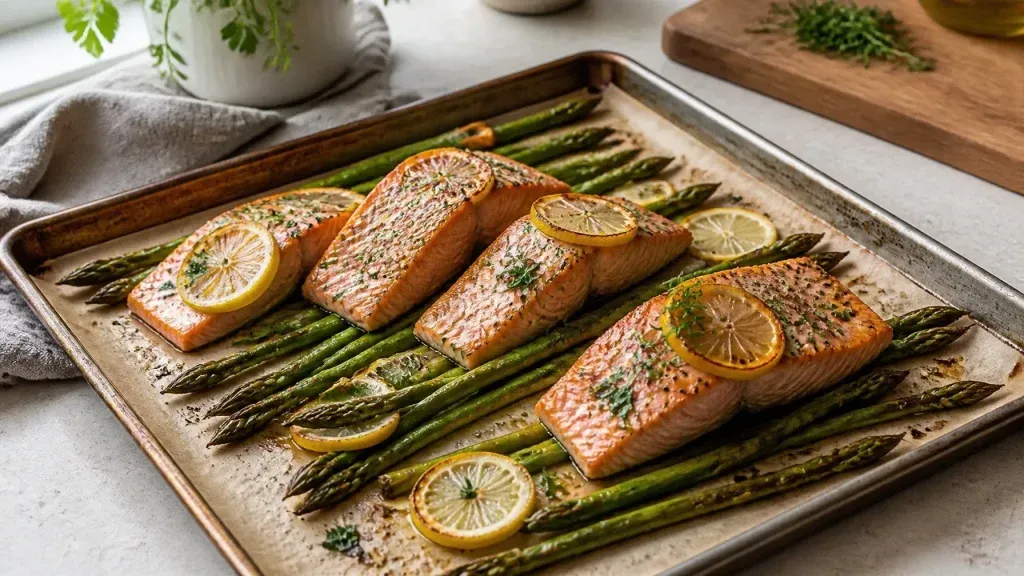
Let’s be honest: by the time Tuesday evening rolls around, the grand culinary ambitions you had on Sunday have usually evaporated. You need something that feels like a "real meal" but doesn't require a three-hour commitment or a mountain of dishes. This 15-minute honey ginger glazed salmon is my absolute go-to when I want a sophisticated dinner without the stress. It’s fast, it’s vibrant, and it hits that perfect sweet-and-savory note that makes everyone at the table quiet down and actually eat. If you are hunting for quick healthy meals, this is the golden ticket.
The Science of the Sizzle: Mastering the Glaze and the Sear
Creating a restaurant-quality glaze isn't magic; it’s chemistry. The heart of this dish lies in the interaction between the sugars in the honey and the proteins in the fish. When you apply heat, the Maillard reaction kicks in, but with a honey-based sauce, you’re also dealing with caramelization. This is why your glaze transforms from a watery liquid into a thick, mahogany-colored lacquer that clings to the salmon.
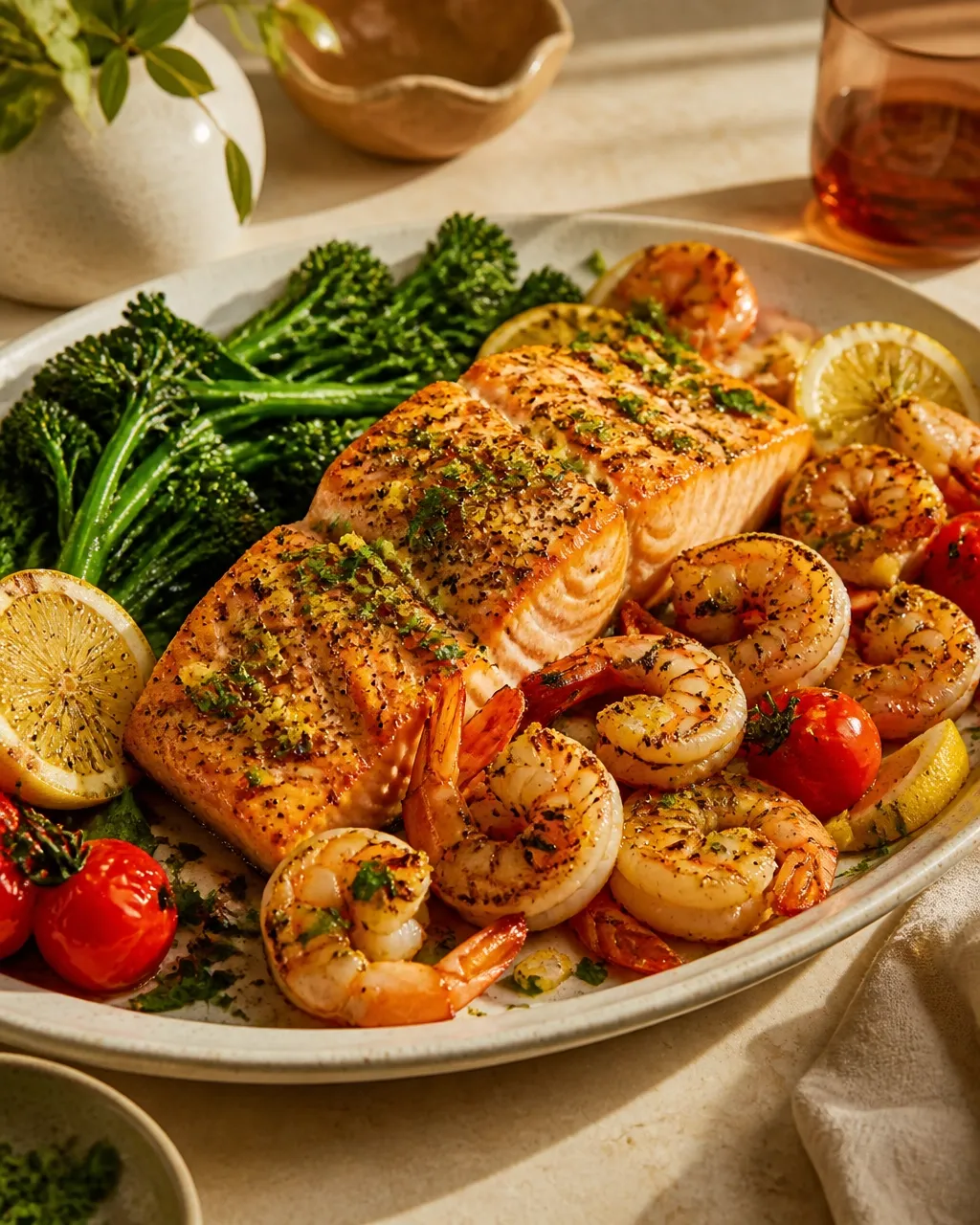
To get this right, you must manage your heat. Start with a cold pan? Never. You want that salmon to hit a hot surface to sear the exterior immediately. Pat your salmon completely dry with paper towels before it even touches the pan. Moisture is the enemy of browning; if the surface is wet, the fish will steam instead of sear. Use a high-smoke-point oil like avocado or grapeseed to avoid a kitchen full of smoke.
Once you’ve achieved that golden crust, the glaze comes into play. Honey is mostly fructose and glucose, which burn much faster than table sugar. Introduce the glaze only toward the end of the cooking process. If you add it too early, the sugars will scorch before the fish is cooked through, leaving you with a bitter, blackened mess. Aim for that "syrupy" consistency where the sauce coats the back of a spoon. If it's too thin, simmer it for an extra sixty seconds; if it’s too thick, a splash of water or rice vinegar will bring it back to life.
Don't forget the ginger. Fresh ginger contains an enzyme called zingibain, which can actually tenderize meat, but in a 15-minute window, we are mostly after those aromatic compounds. Grating the ginger with a microplane rather than chopping it ensures the flavor is distributed evenly throughout the glaze. This prevents the unpleasant experience of biting into a giant, spicy chunk of raw ginger. Use the same logic for your garlic: fine mincing is your best friend here.
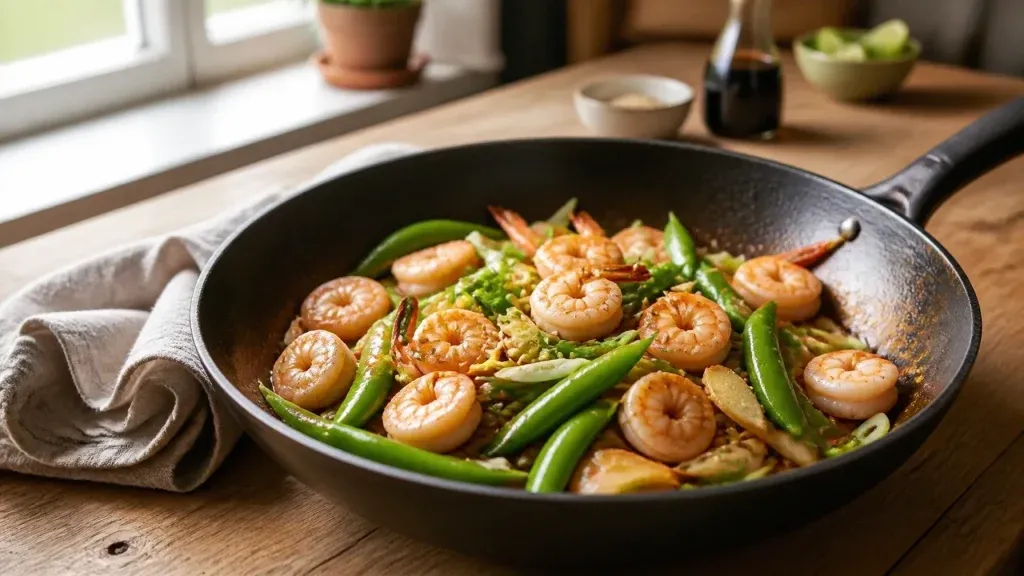
As for the snap peas, treat them with respect. These are among my favorite healthy dinner ideas because they require almost zero prep. The goal is "crisp-tender." You want them to retain their vibrant chlorophyll-green color and a satisfying "snap." Cooking them for more than two or three minutes will turn them dull and mushy. Toss them into the pan right at the end so they can pick up the residual heat and a coating of that glossy sauce without losing their soul.
Flavor Shifts and Creative Variations
One of the best things about this recipe is its adaptability. While I love the classic honey-ginger-soy trio, you can easily pivot based on what's in your pantry or your specific dietary needs.
For those exploring keto for beginners, you can swap the honey for a sugar-free maple syrup or a monk fruit-based sweetener. The caramelization won't be quite as intense, but the ginger and garlic will still carry the heavy lifting in the flavor department. If you prefer a bit of heat, whisk in a teaspoon of sriracha or red pepper flakes to the glaze. The capsaicin in the peppers cuts through the richness of the salmon fatty acids beautifully.
If you’re looking for plant-based dinner ideas, this exact glaze technique works wonders with extra-firm tofu or thick slices of cauliflower "steak." Just ensure you press the tofu well to remove excess water so it can absorb the glaze effectively. You can even try this with shrimp if you're in an even bigger rush: shrimp cook in about three minutes flat, making them the ultimate "I’m starving now" protein.
Perfect Pairings for a Balanced Plate
Since this salmon is quite rich and the glaze is sweet and salty, you want side dishes that offer contrast. Acidity and starch are your best allies here.
I almost always serve this over a bed of fluffy jasmine rice or quinoa. The grains act as a sponge for any extra honey-ginger sauce that escapes the salmon. For a lower-carb option, cauliflower rice is a fantastic vehicle. If you want to lean into the "15-minute" theme, look at one-pot meals or quick-cook noodles like udon or soba.
To cut through the honey’s sweetness, a simple cucumber salad with rice vinegar and sesame oil is perfection. The cool, crisp acidity of the cucumbers resets your palate between bites of the savory fish. If you want a more substantial vegetable side, consider charred bok choy or a quick slaw made with shredded cabbage and a lime-ginger dressing. These pairings transform a simple protein into one of those quick family meals that feels like you actually tried.
Frequently Asked Questions
Can I use frozen salmon for this?
Absolutely, but you must thaw it completely first. Use the "cold water bath" method if you're in a rush: keep the salmon in its vacuum-sealed bag and submerge it in a bowl of cold water for about 20 minutes. Avoid using the microwave to thaw fish; it will start cooking the edges and ruin the texture. Once thawed, pat it dry as if your life depends on it.
My glaze isn't sticking to the fish. What happened?
Usually, this means the glaze hasn't reduced enough, or there is too much oil left in the pan. If the pan is swimming in oil, carefully pour some out before adding the glaze. The glaze needs to simmer until the bubbles get larger and slower: that’s the sign that the water has evaporated and the sugars are concentrating.
What if I don't have fresh ginger?
While fresh is king, you can use ground ginger in a pinch. Use about 1/4 teaspoon of ground ginger for every tablespoon of fresh ginger called for. Note that ground ginger has a more "warm" and less "bright" flavor profile, so your glaze will taste slightly different, more like a spice cake and less like a stir-fry.
Can I cook this in an air fryer?
Yes! Search our air fryer recipes dinner section for more specifics, but generally, you can air fry the salmon at 400°F for 8–10 minutes. Brush the glaze on during the last 2 minutes so it doesn't burn in the high-intensity heat of the air fryer fan.
How do I know when the salmon is actually done?
Stop guessing and use an instant-read thermometer. You are looking for an internal temperature of 145°F (63°C). However, I recommend pulling it at 135°F-140°F and letting it rest for a few minutes. Carryover heat will bring it up to the finish line, ensuring the center stays moist and tender rather than dry and chalky.
Is this recipe good for meal prep?
Salmon is best eaten fresh, but you can definitely make this for healthy weeknight dinners and save the leftovers for a cold salad the next day. Flake the cold salmon over greens or into a wrap. Reheating salmon in the microwave can be tricky (and smelly!), so if you must reheat it, do it at a low power setting or in a warm pan with a splash of water.
{“@type”:”BlogPosting”,”image”:”https://cdn.marblism.com/qhMt-Hzjz2j.webp”,”author”:{“name”:”Penny”,”@type”:”Person”},”@context”:”https://schema.org”,”headline”:”15-Minute Honey Ginger Glazed Salmon and Snap Peas”,”publisher”:{“logo”:{“url”:”https://cookpedia.com/logo.png”,”@type”:”ImageObject”},”name”:”Cookpedia”,”@type”:”Organization”},”description”:”A quick and delicious 15-minute meal featuring perfectly seared salmon with a glossy honey-ginger glaze and crisp snap peas.”,”datePublished”:”2026-07-13″,”mainEntityOfPage”:{“@id”:”https://cookpedia.com/15-minute-honey-ginger-glazed-salmon”,”@type”:”WebPage”}}