Recipe
Servings
Servings 1×
Ingredients
- Chicken
- Greek yogurt
- Tortillas
- Potatoes
- Greens
- Apple
- Lemon
- Honey
- Mustard
- Feta
- Cooking oil
- Salt
Method
- Use a heavy-bottomed skillet, cast iron or stainless steel is best, and get it screaming hot before the meat even touches the surface.
- Pat your chicken dry with a paper towel.
- Add the oil slowly, drop by drop at first, while whisking constantly.
You have fifteen minutes. In the world of high-pressure weeknight cooking, that is usually the time it takes to realize you’re too tired to cook and start scrolling through a delivery app. But before you pay a premium for lukewarm food, let me introduce you to my favorite flavor-packed solution: the Honey Mustard Chicken Wrap. This isn't just a sandwich; it’s a masterclass in efficiency, balancing the sharp tang of mustard with the mellow sweetness of honey and the perfect sear on a chicken breast. It’s one of those quick family meals that feels like you spent an hour in the kitchen, but you actually spent most of that time just waiting for the pan to get hot.
The Science of the Sear: Mastering the Pan
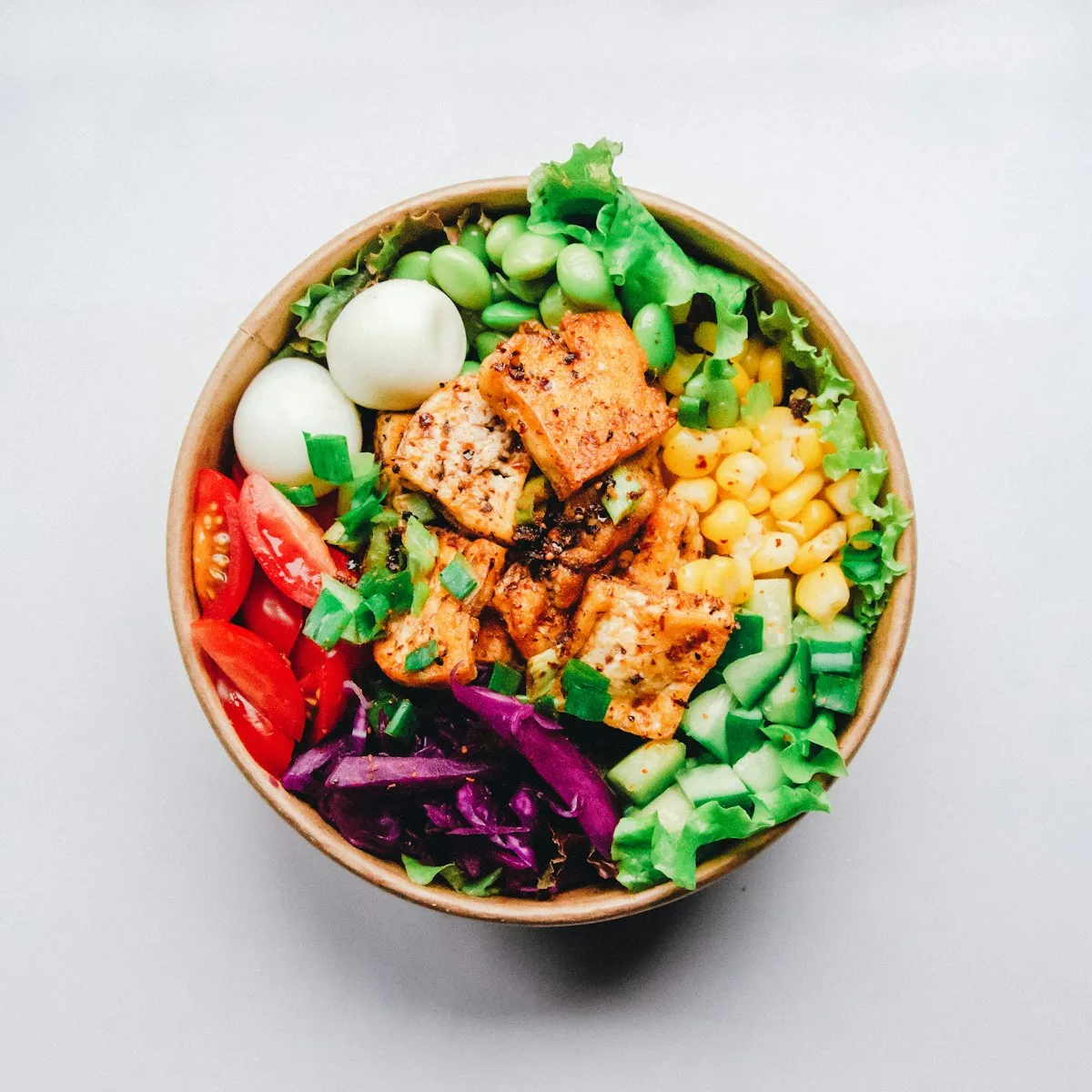
When we talk about 15 minute meals, speed is the priority, but flavor is the non-negotiable. To get maximum flavor in minimum time, you have to understand the Maillard reaction. This is the chemical reaction between amino acids and reducing sugars that gives browned food its distinctive flavor. When you throw chicken into a lukewarm pan, it won't sear; it will steam in its own juices, turning gray and rubbery.
Avoid the gray chicken trap. Use a heavy-bottomed skillet, cast iron or stainless steel is best, and get it screaming hot before the meat even touches the surface. Check the heat by flicking a drop of water onto the pan; if it dances and evaporates instantly, you’re ready. Pat your chicken dry with a paper towel. Moisture is the enemy of the sear. If the surface of the meat is wet, the energy of the pan goes into evaporating that water rather than browning the proteins.
Once the chicken hits the pan, leave it alone. Resisting the urge to poke, prod, or flip the meat too early is the hardest part of cooking. That golden-brown crust only forms when the meat has uninterrupted contact with the heat. In a high-heat environment, thin strips of chicken will cook through and brown in about 3–4 minutes per side. This is the most efficient way to build a flavor base for your wrap without resorting to heavy oils or long braising times.
The Chemistry of the Dressing: Emulsification Magic
The soul of this wrap lies in the honey mustard dressing. You might think "dressing" and think of those shelf-stable bottles, but a homemade version is a revelation. Scientifically, a dressing is an emulsion, a mixture of two liquids that normally refuse to stay together, like oil and vinegar (or in this case, oil, honey, and mustard).
Mustard is your secret weapon here. It contains mucilage, a complex carbohydrate that acts as a natural emulsifier. It wraps itself around the tiny droplets of oil, preventing them from grouping back together and separating from the water-based honey and vinegar. To achieve a creamy, thick consistency that clings to your chicken instead of sliding off the lettuce, you must whisk vigorously.
If you want to step up your game for healthy dinner ideas, use Greek yogurt as a base instead of heavy mayonnaise. The proteins in the yogurt provide an even sturdier framework for your emulsion. Add the oil slowly, drop by drop at first, while whisking constantly. This gradual incorporation breaks the fat into microscopic spheres, creating that luxurious mouthfeel we associate with professional-grade sauces. It’s a simple mechanical process that changes the entire texture of your meal.
Creative Variations: Beyond the Basic Wrap
While the classic honey mustard profile is elite, I encourage you to experiment once you’ve mastered the base technique. This recipe is a canvas for your pantry.
- The Heat Factor: If you crave spice, add a teaspoon of sriracha or a pinch of cayenne to your dressing. The capsaicin in the peppers plays beautifully against the glucose in the honey, creating a "hot honey" effect that elevates the chicken’s savory notes.
- The Mediterranean Twist: Swap the honey for a touch of agave and add dried oregano and feta cheese to the wrap. The saltiness of the feta cuts through the sweetness of the mustard, providing a sophisticated balance.
- The Crunch Factor: Add toasted pecans or sunflower seeds. Texture is often overlooked in home cooking, but the contrast between a soft flour tortilla, juicy chicken, and a hard crunch is what makes a meal memorable.
- Air Fryer Shortcuts: If you're looking for air fryer recipes dinner options, you can actually "fry" breaded chicken strips in the air fryer for 10 minutes at 400°F while you prep the veggies. This gives you a "crispy chicken" wrap with a fraction of the oil.
Pairing for Balance: Side Dish Strategies
A great wrap is a meal in itself, but the right side dish can transform it from a "quick bite" into a structured dinner. Since the honey mustard dressing is rich and sweet, you want sides that provide acidity or bitterness to cleanse the palate.
A simple arugula salad with a lemon-shallot vinaigrette is my top recommendation. The peppery bite of the arugula is the perfect foil for the honey. If you want something more substantial, consider a quick slaw made with shredded cabbage and apple cider vinegar. The crunch and high water content of the cabbage provide a refreshing counterpoint to the dense protein of the chicken.
For those who want a bit of indulgence, sweet potato fries are a classic pairing. The natural sugars in the potatoes echo the honey in the wrap, while a heavy dusting of sea salt provides the necessary contrast. Whatever you choose, keep it light; the wrap is the star of the show. You can find more pairing guides on the Cookpedia blog to help round out your weekly menu.
Frequently Asked Questions (FAQ)
Why is my honey mustard dressing so runny?
This usually happens because the emulsion failed or the ratios were off. If you added the oil too quickly, the mustard didn’t have time to "catch" the fat droplets, and they merged back together. To fix it, start with a fresh teaspoon of mustard in a separate bowl and very slowly whisk your runny dressing into it. The extra emulsifier will help reset the structure.
Can I use frozen chicken for this?
Technically, yes, but I don't recommend it if you're aiming for a 15-minute window. Frozen chicken releases a significant amount of water as it thaws in the pan, which kills your sear (remember the Maillard reaction!). If you must use frozen, thaw it completely in a bowl of cold water first and pat it bone-dry before it hits the skillet.
What is the best type of wrap to use?
For a honey mustard profile, a standard flour tortilla is best because its neutral flavor doesn't compete with the sauce. However, if you're leaning into healthy dinner ideas, a spinach wrap or a whole-wheat tortilla adds a nice earthy note and extra fiber. Just make sure to warm the wrap for 10 seconds in a dry pan first; this makes the starches more flexible and prevents the wrap from tearing.
How do I stop the wrap from falling apart?
The secret is the "envelope fold." Fold the sides in first, then roll from the bottom up, keeping everything tight. More importantly, don't overfill! It’s tempting to pile on the greens, but a wrap that won't close is just a messy salad. Aim for a 2:1 ratio of chicken to greens for the best structural integrity.
Can I make the chicken in an air fryer?
Absolutely. Using air fryer recipes dinner techniques is a great way to keep the kitchen cool. Toss your chicken strips in a little oil and seasoning, then air fry at 400°F (200°C) for about 8–10 minutes, shaking the basket halfway through. You'll get a great, even cook without the need to stand over a hot stove.
My chicken is always dry. What am I doing wrong?
You’re likely overcooking it. Chicken breast is lean and has very little fat to protect it from high heat. Once it hits an internal temperature of 165°F (74°C), it’s done. Since we’re cutting the chicken into strips for these quick family meals, they cook incredibly fast. Use a meat thermometer if you’re unsure, and always let the meat rest for two minutes after cooking so the juices can redistribute.
Check out our full collection of simple recipes for more tips on mastering basic kitchen science!