Recipe
Servings
Servings 1×
Ingredients
- Salmon
- Shrimp
- Tofu
- Quinoa
- Rice
- Cauliflower
- Carrots
- Cucumber
- Avocado
- Fresh ginger
- Honey
- Cooking oil
- Sesame
- Chili seasoning
- Salt
Method
- Use high heat and don't be afraid of it.
- Pat that fish bone-dry with paper towels.
- Simmer your reserved sauce for just a minute with the slurry, and you’ll watch it transform from a watery juice into a professional-grade lacquer.
You know those nights when the clock is ticking, the fridge is looking sparse, and the temptation to order takeout is reaching a fever pitch? I’ve been there more times than I care to admit. But here’s the thing: you don’t need an hour or a sink full of dishes to create something that feels like it belongs in a high-end bistro. My 15-minute honey sriracha salmon bowl is the ultimate antidote to the "what's for dinner" dread. It is fast, soulful, and hits that perfect trifecta of sweet, spicy, and savory.
The Science of the Perfect Sear and Glossy Glaze
When you’re working with a 15-minute timeline, every second of heat needs to count. To get that restaurant-quality finish at home, you have to understand the chemistry happening in your pan or basket. The star of the show here is the Maillard reaction, that magical chemical interaction between amino acids and reducing sugars that gives browned food its distinctive flavor. When you blast salmon with high heat, you’re not just cooking it; you’re creating a complex profile of flavors that simply don’t exist in raw or poached fish.
Use high heat and don't be afraid of it. If you’re looking for air fryer recipes dinner enthusiasts swear by, this is a top contender because the convection power of an air fryer is essentially a Maillard machine. The circulating hot air strips away moisture from the surface of the fish almost instantly, allowing the sugars in the honey to caramelize rather than steam.
Check your salmon’s moisture levels before you even think about seasoning. Pat that fish bone-dry with paper towels. Any moisture left on the surface will turn into steam the moment it hits the heat, and steam is the enemy of a crispy, lacquered crust. Once it's dry, apply your glaze. The science of a perfect honey sriracha glaze lies in the balance of viscosity and sugar concentration. Honey isn't just there for sweetness; it’s a humectant that helps the salmon retain moisture internally while providing the sticky base needed for the sriracha and soy to cling to the protein.
Avoid overcooking by monitoring the internal temperature rather than just the clock. Salmon is a delicate protein with a lot of healthy fats, but those fats can quickly turn from buttery to chalky if the internal temperature climbs too high. Aim for about 125°F (52°C) for a moist, medium finish. Remember, "carry-over cooking" is a real scientific phenomenon; the fish will continue to rise in temperature by a few degrees even after you remove it from the heat source.
If you find your glaze is too thin and sliding off the fish, use a cornstarch slurry. This is a classic thickening technique where starch granules swell and trap water molecules (gelatinization), creating a thick, glossy coat that stays exactly where you put it. Simmer your reserved sauce for just a minute with the slurry, and you’ll watch it transform from a watery juice into a professional-grade lacquer. This is a staple technique for anyone building a collection of quick family meals that actually look like the photos.
Play with Your Flavors: Variations for Every Palate
One of the reasons I keep this in my regular rotation of healthy dinner ideas is its incredible versatility. Cooking should be an intuitive process, not a rigid set of rules. If you aren't a fan of salmon or just want to shake things up, the honey sriracha foundation works beautifully with other proteins.
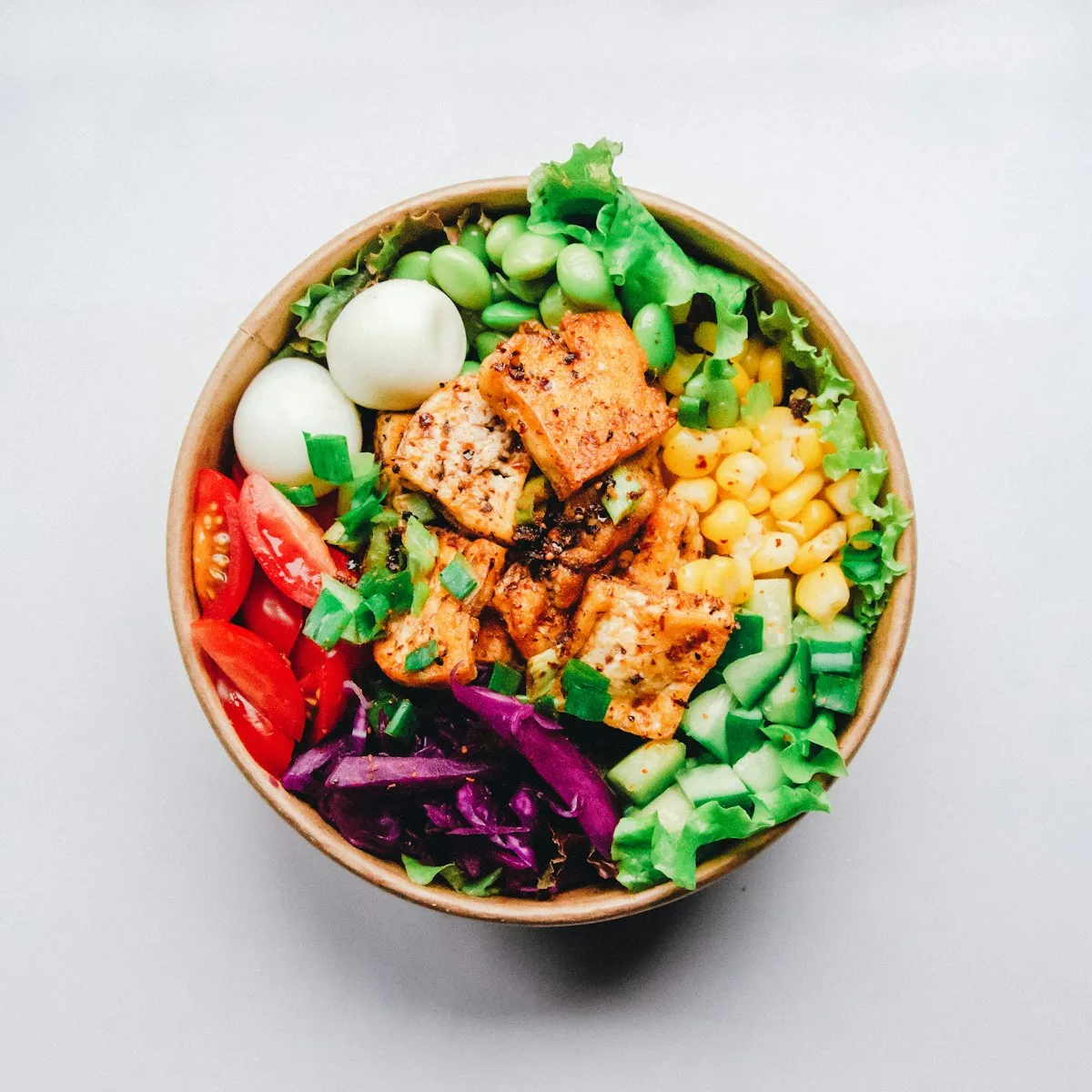
For a plant-based twist, try using extra-firm tofu. The key here is to press the tofu for at least ten minutes to remove excess water. Just like the salmon, tofu needs to be dry to achieve a crispy exterior. Once pressed, cube it and toss it in the glaze. The porous nature of tofu means it will soak up those spicy-sweet flavors even more intensely than fish.
If you prefer shellfish, large shrimp are a fantastic substitute. They cook even faster than salmon, usually in under five minutes, making this an even faster option for those truly chaotic weeknights. The sugar in the honey will caramelize on the shrimp shells (or flesh) almost instantly, giving you a beautiful charred effect.
Adjust the heat levels to suit your household. If you’re cooking for kids who might be sensitive to spice, swap the sriracha for a smaller amount of mild chili sauce or even a splash of ketchup to maintain the color and acidity without the burn. You can always keep a bottle of sriracha on the table for the heat-seekers in the family. For a more "soulful" and deep flavor, add a teaspoon of toasted sesame oil or a knob of freshly grated ginger to the glaze. The aromatics in the ginger provide a sharp, clean contrast to the heavy sweetness of the honey.
Balancing the Bowl: Side Dish Pairings
A great meal is all about the balance of textures and pH levels. Since the salmon is rich, fatty, and coated in a sweet, spicy glaze, your side dishes should provide acidity and crunch to reset your palate between bites.
I almost always serve this over a base of jasmine rice or quinoa. The grains act as a neutral sponge for any extra glaze that drips off the salmon. If you’re leaning into the healthy dinner ideas vibe, cauliflower rice is a brilliant low-carb alternative that still provides that essential "bowl" feel.
Pair the richness of the fish with something bright and crisp. A quick cucumber salad dressed in rice vinegar and a pinch of salt is my go-to. The acidity of the vinegar cuts directly through the fat of the salmon and the sugar of the honey, preventing the meal from feeling too heavy. Fresh avocado adds a different kind of creaminess that complements the spicy sriracha, while edamame or shredded carrots provide a much-needed structural crunch.
Don't overlook the power of fresh herbs. A handful of cilantro or sliced scallions added right at the end provides a burst of chlorophyll and freshness that lifts the entire dish. It’s these small, minimalist additions that transform a basic meal into something truly soulful.
Frequently Asked Questions
Why did my salmon stick to the air fryer basket?
This usually happens for two reasons: either the basket wasn't preheated or you didn't use enough oil. Use a high-smoke-point oil spray (like avocado or grapeseed oil) on the basket before adding the fish. Alternatively, use a small piece of perforated parchment paper. However, make sure the paper doesn't block all the airflow, as the "fry" in air frying comes from the air being able to circulate around the food.
Can I use frozen salmon for this?
Yes, but you must thaw it completely first. If you try to glaze and cook a frozen fillet in 15 minutes, the outside will burn while the inside remains an icy block. Thaw it in the fridge overnight or in a sealed bag under cold running water for a faster result. Once thawed, follow the "dry it off" rule religiously, as frozen fish tends to release more moisture.
What if my glaze is too spicy?
Don't panic. Chemistry is on your side. Capsaicin (the stuff that makes sriracha hot) is fat-soluble. To dampen the flame, add a little more honey or a splash of lime juice. The sugar and acid help mask the heat. Alternatively, serving the bowl with a dollop of Greek yogurt or avocado will help neutralize the spice on your tongue.
Is it safe to use the marinade as a finishing sauce?
Only if you boil it first! Never, ever use sauce that has touched raw fish as a topping without bringing it to a full, rolling boil for at least one minute. This kills any potential bacteria. My preferred method is to set aside a portion of the "clean" sauce before the salmon ever touches it. It’s a foolproof way to ensure your quick family meals stay safe and delicious.
How do I know the salmon is actually done without a thermometer?
Use the "flake test." Take a fork and gently press down on the thickest part of the fillet. If the layers of the fish begin to separate easily along the white lines (the fat), it’s ready. If it resists or looks translucent in the center, give it another minute or two.
Can I make the glaze ahead of time?
Absolutely. You can whisk the honey, sriracha, and soy together and keep it in a jar in the fridge for up to two weeks. This makes your weeknight air fryer recipes dinner prep even faster. Just give it a good shake before you use it, as the honey can sometimes settle at the bottom.
{“@type”:”BlogPosting”,”image”:”https://cdn.marblism.com/ulYWdB3sqfH.webp”,”author”:{“name”:”Penny”,”@type”:”Person”},”@context”:”https://schema.org”,”headline”:”15-Minute Honey Sriracha Salmon Bowl: Minimalist & Soulful”,”publisher”:{“logo”:{“url”:”https://cookpedia.com/logo.png”,”@type”:”ImageObject”},”name”:”Cookpedia”,”@type”:”Organization”},”description”:”Learn the science behind the perfect 15-minute honey sriracha salmon bowl. Discover tips for the best air fryer results, glaze caramelization, and healthy pairings.”,”datePublished”:”2026-06-19″,”mainEntityOfPage”:{“@id”:”https://cookpedia.com/15-minute-honey-sriracha-salmon-bowl”,”@type”:”WebPage”}}