Recipe
Servings
Servings 1×
Ingredients
- Chicken
- Steak
- Tofu
- Rice
- Broccoli
- Carrots
- Greens
- Peas
- Cucumber
- Garlic
- Fresh ginger
- Lime
- Cooking oil
- Soy sauce or tamari
- Sesame
- Chili seasoning
Method
- Use a wide skillet and preheat it until a drop of water flicked onto the surface dances and evaporates instantly.
- Cook in batches if you have to: it’s actually faster in the long run because the meat browns rather than boils.
- Let’s be real: traditional long-grain rice takes 18 to 20 minutes to cook.
- Use the same "small cut" rule: press the tofu to remove excess moisture, cube it small, and sear it until the edges are crispy.
You know those nights when the clock is ticking, the family is circling the kitchen like hungry sharks, and you’re seconds away from ordering expensive takeout? We’ve all been there. But before you reach for that delivery app, let’s talk about the magic of the 15-minute rice bowl. It’s the ultimate secret weapon for anyone craving healthy dinner ideas without the hour-long commitment. This isn't just about speed; it's about a smart, scientific approach to flavor that makes home cooking feel like a victory lap.
The Science of the 15-Minute Masterpiece
Cooking a complete meal in 15 minutes isn't magic; it’s physics. To master these quick family meals, you have to understand how heat moves through food. Most people waste time waiting for large chunks of meat to cook or water to boil. We’re going to skip that.
Maximize Your Surface Area
The most important rule in my kitchen for fast meals is to cut your protein small. When you slice chicken into thin strips or small cubes, you exponentially increase the surface area exposed to the hot pan. This allows for rapid heat transfer. While a whole chicken breast might take 15 minutes just to reach a safe internal temperature, bite-sized pieces are done in five. This technique doesn't just save time; it ensures every single piece gets that beautiful, golden-brown Maillard reaction, which is where all that savory, "umami" flavor lives.
Harness High-Heat Searing
Don't be afraid of the "hiss" when the chicken hits the pan. Use a wide skillet and preheat it until a drop of water flicked onto the surface dances and evaporates instantly. High heat is your best friend for quick family meals. It sears the outside quickly, locking in juices before they have a chance to leak out and turn your stir-fry into a soggy braise. If you crowd the pan, the temperature drops, and the meat starts to steam in its own juices. Cook in batches if you have to: it’s actually faster in the long run because the meat browns rather than boils.
Starch and Sauce Chemistry
The backbone of this dish is the ginger soy sauce, and the "why" behind its glossy finish is all about starch gelatinization. By using a cornstarch slurry, you’re introducing starch granules that swell and trap liquid as soon as they hit the heat. This creates a thick, clingy glaze in under 60 seconds. Without it, your sauce would just sink to the bottom of the bowl. With it, every grain of rice and every floret of broccoli is coated in that zesty ginger punch.
The Rice Shortcut
Let’s be real: traditional long-grain rice takes 18 to 20 minutes to cook. To hit that 15-minute goal, use pre-cooked jasmine rice or high-quality microwave pouches. If you’re a meal prepper, keep a container of cooked rice in the fridge. Cold rice actually fries better because the grains have had time to firm up (a process called starch retrogradation), meaning they won't turn into mush when they hit the pan with your sauce.
Flavor Variations and Protein Swaps
The beauty of a rice bowl is its versatility. Once you understand the high-heat, small-cut technique, you can apply it to almost anything in your fridge. It’s one of those healthy dinner ideas that never gets boring because you can change the "vibe" with one or two swaps.
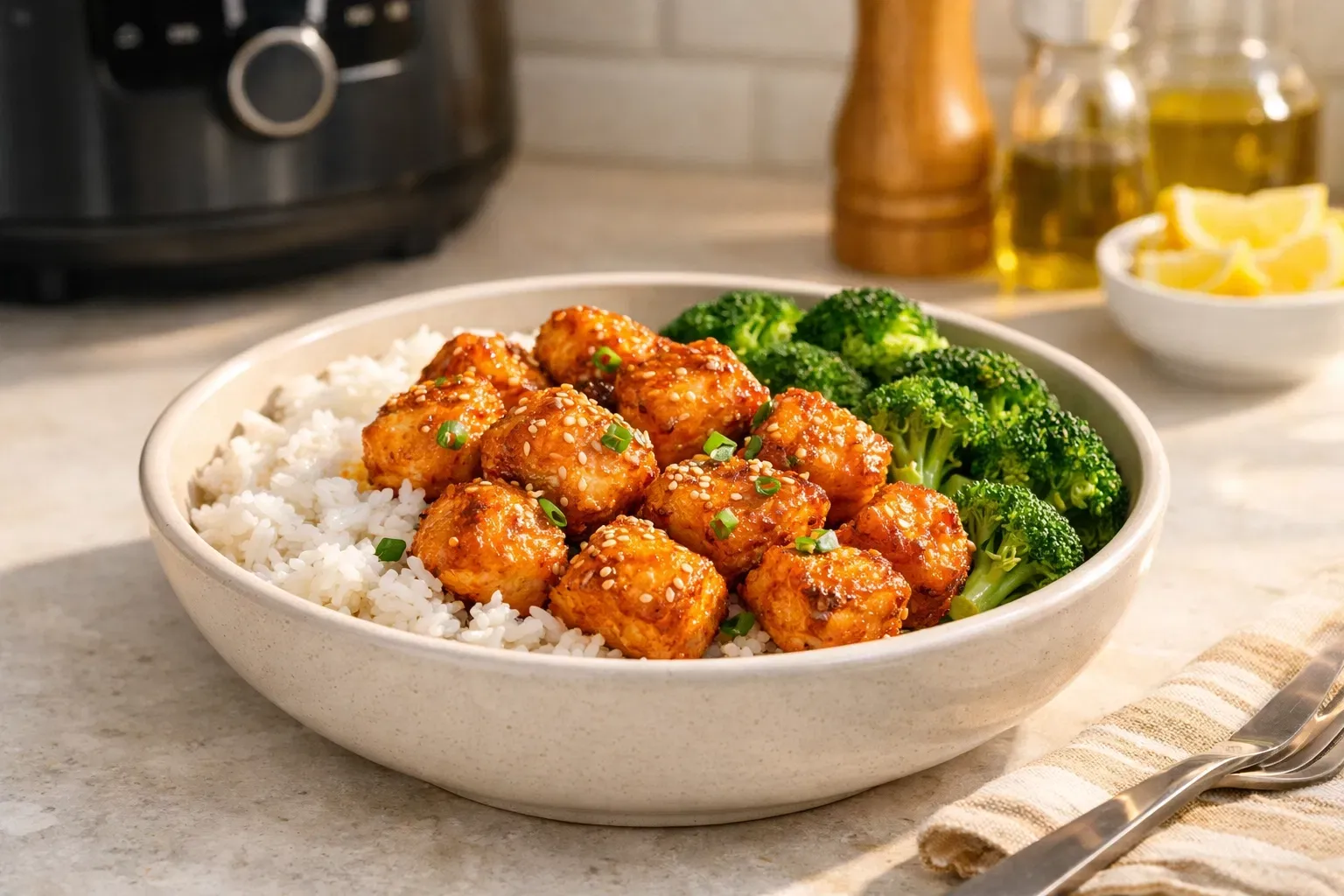
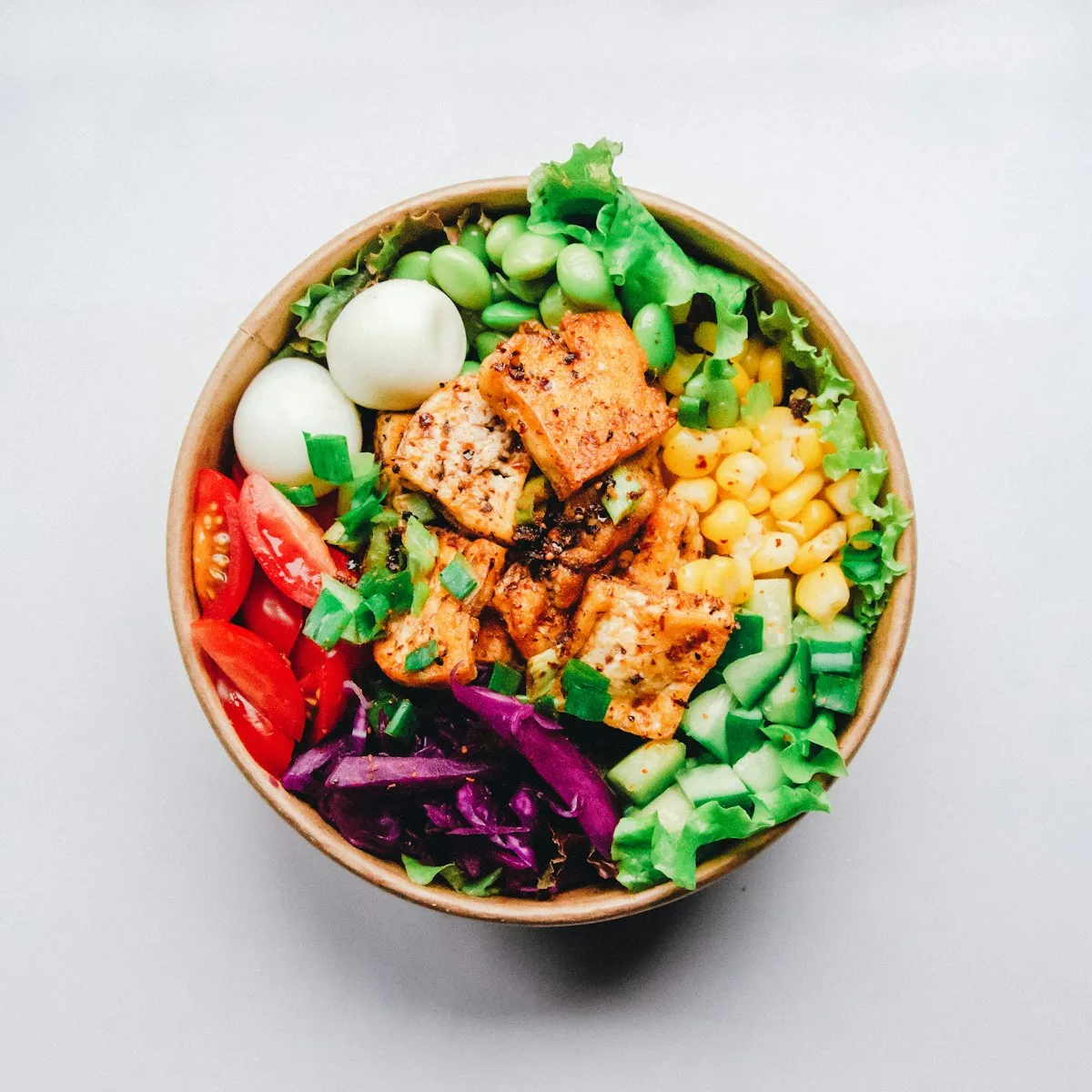
If you’re leaning toward a plant-based night, swap the chicken for extra-firm tofu. Use the same "small cut" rule: press the tofu to remove excess moisture, cube it small, and sear it until the edges are crispy. Tofu is a sponge for the ginger soy sauce, making it a fantastic alternative. For a richer flavor, try thinly sliced flank steak. Since beef cooks even faster than chicken, you only need about two minutes of sear time to keep it tender.
Feeling adventurous with your kitchen tech? While this is a stovetop classic, you can find similar efficiency in air fryer recipes dinner enthusiasts rave about. You can air-fry your seasoned chicken and vegetables at 400°F (200°C) for about 8-10 minutes while you whisk the sauce on the stove. It’s a great way to get that "fried" texture with less oil.
Don't ignore the vegetable bin, either. While broccoli and carrots are classic, try snap peas for extra crunch or thinly sliced bok choy for a more authentic feel. The key is to keep the vegetable sizes consistent so they all reach that "crisp-tender" stage at the same time.
Perfectly Balanced Side Dish Pairings
A great bowl is all about the balance of flavors: sweet, salty, and acidic. Since the ginger soy sauce is quite savory and rich, you want side dishes that provide a bright, acidic contrast to "cut" through that richness.
- Quick Pickled Cucumbers: Thinly slice a cucumber and toss it with a splash of rice vinegar, a pinch of sugar, and a dash of chili flakes. The cold, vinegary crunch acts as a palate cleanser between bites of the warm, savory chicken.
- Simple Miso Soup: If you have an extra five minutes, whisk a tablespoon of miso paste into simmering water with some dried seaweed. It adds a warm, liquid element to the meal that rounds out the dining experience.
- Garlic Smashed Slaw: Shred some green cabbage and dress it with lime juice and toasted sesame oil. The raw, peppery bite of cabbage provides a fresh texture that balances the soft rice.
Frequently Asked Questions
What if my chicken comes out dry and rubbery?
Dry chicken is usually a result of overcooking or cutting the pieces too unevenly. If you have some large chunks and some tiny slivers, the small ones will turn into erasers before the big ones are safe to eat. Ensure your cuts are uniform. Also, remember carryover cooking: the chicken will continue to cook for a minute after you take it off the heat. Pull it just as the pink disappears.
Can I use frozen vegetables for this?
Absolutely! Frozen vegetables are often flash-frozen at peak ripeness, making them a great option for healthy dinner ideas. However, frozen veggies release more moisture than fresh ones. To avoid a watery sauce, throw them into the pan while they are still frozen and turn the heat up. Let the moisture evaporate before you add your sauce slurry.
Why is my sauce too salty?
Soy sauce brands vary wildly in sodium content. I always recommend using a "low-sodium" or "light" soy sauce as your base. You can always add a pinch of salt at the end, but you can’t take it away once it’s in there. If you’ve already over-salted, add a teaspoon of honey or a squeeze of lime juice; the sweetness and acidity will help mask the saltiness.
How do I stop the ginger from being "stringy"?
If you're using fresh ginger, use the fine side of a grater or a microplane. Grating the ginger across the grain of the fibers breaks them down into a paste rather than long strings. If you’re in a real rush, ginger paste from a tube works in a pinch, though the flavor is slightly more muted than fresh-grated root.
Can I make this in an air fryer?
Yes! Many people are adapting their favorite stovetop meals into air fryer recipes dinner staples. Toss the chicken and veggies in a little oil and cornstarch first, air fry until crispy, and then toss with the simmered sauce in a separate bowl. It’s a great way to keep the mess contained to the fryer basket.
Cooking doesn't have to be a chore, and it certainly shouldn't take all night. By focusing on the "why" behind the techniques: like high heat and surface area: you’re not just following a recipe; you’re becoming a faster, more confident cook. Grab your skillet, prep that ginger, and dinner will be on the table before the first commercial break.
{“@type”:”BlogPosting”,”image”:[“https://cdn.marblism.com/Kfz-0zdlxMG.webp”,”https://cdn.marblism.com/owdqj4582h9.webp”,”https://cdn.marblism.com/hWpxHrQyRAa.webp”,”https://cdn.marblism.com/5iUYt_9tfTK.webp”],”author”:{“name”:”Penny”,”@type”:”Person”},”@context”:”https://schema.org”,”headline”:”15-Minute Meals: Chicken and Vegetable Rice Bowl with Ginger Soy Sauce”,”publisher”:{“logo”:{“url”:”https://cdn.marblism.com/KxroJ1kM_KA.webp”,”@type”:”ImageObject”},”name”:”Cookpedia”,”@type”:”Organization”},”description”:”Learn the science behind making a 15-minute chicken and vegetable rice bowl with a glossy ginger soy sauce. Perfect for quick family meals and healthy dinner ideas.”,”datePublished”:”2026-07-22″,”mainEntityOfPage”:{“@id”:”https://cookpedia.com/15-minute-chicken-vegetable-rice-bowl”,”@type”:”WebPage”}}