Recipe
Servings
Servings 1×
Ingredients
- Chicken
- Shrimp
- Steak
- Tofu
- Eggs
- Broccoli
- Asparagus
- Carrots
- Mushrooms
- Peas
- Garlic
- Fresh ginger
- Lime
- Chili seasoning
- Black pepper
Method
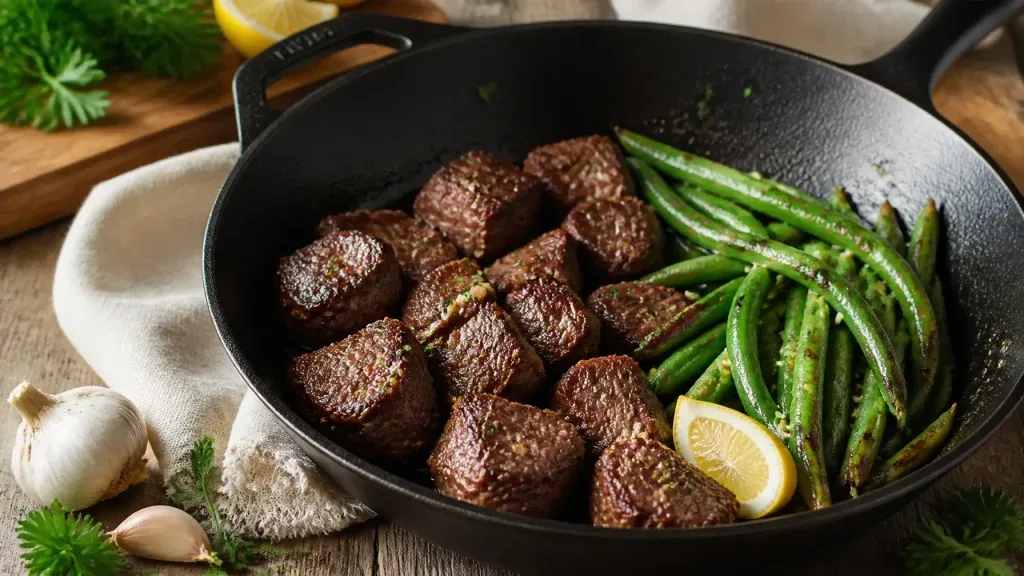
- Cook your beef in a single layer, let it sit undisturbed for sixty seconds to develop that gorgeous golden-brown sear, and then remove it immediately.
- Slice perpendicular to those fibers to effectively shorten them, ensuring every bite yields to your teeth instead of fighting back.
- Add dense vegetables first, let them soften slightly, and toss in your aromatics, fresh garlic and grated ginger, at the very end so their volatile essential oils don't scorch and turn bitter.
If your weeknights usually involve staring blankly into the refrigerator while questioning every life choice that led to another night of scrambled eggs, take a deep breath. You are about to discover why mastering a lightning-fast stir-fry is the ultimate sanity saver. When you want something genuinely satisfying without spending an hour hunched over a stove, this recipe transforms basic pantry staples into pure magic. Forget takeout menus and delivery fees, let's look at how to get dinner on the table before your stomach even remembers it's hungry.
The Chemistry of Speed: Why High Heat and Prep Matter
If you have ever wondered why your homemade stir-fry tastes watery while restaurant versions taste explosive, the secret isn't a secret superpower, it's culinary physics. Master the science of high-heat cooking, and your quick family meals will instantly upgrade from mediocre to magnificent.
First, let's talk about the Maillard reaction. When you toss thinly sliced beef into a roaring hot pan, you aren't just cooking meat; you are triggering complex chemical reactions between amino acids and reducing sugars. To make this happen, keep your pan bone-dry and searing hot. Avoid crowding the wok. If you dump all the meat in at once, moisture gets trapped, creating steam instead of a crust. Cook your beef in a single layer, let it sit undisturbed for sixty seconds to develop that gorgeous golden-brown sear, and then remove it immediately.
Next, consider the art of slicing against the grain. Muscle fibers in steak run in parallel lines. Slice perpendicular to those fibers to effectively shorten them, ensuring every bite yields to your teeth instead of fighting back. Pair this with a light dusting of cornstarch, a technique known as velveting. As the beef cooks, the starch gelatinizes, locking in precious juices while creating a velvety shield that grabs onto your savory sauce.
Finally, respect vegetable timing. Hard vegetables like broccoli florets and carrots require more time to soften than delicate bell peppers or snap peas. Stagger your cooking stages. Add dense vegetables first, let them soften slightly, and toss in your aromatics, fresh garlic and grated ginger, at the very end so their volatile essential oils don't scorch and turn bitter. If you love experimenting with rapid cooking methods, you might also enjoy exploring our favorite air fryer recipes dinner collections for nights when you want an entirely hands-off approach.
Flavor Twists: Endless Variations for Every Craving
Once you nail the foundational technique, you can treat this recipe as a blank canvas. Adaptability is what makes finding reliable healthy dinner ideas so liberating on busy weeks.
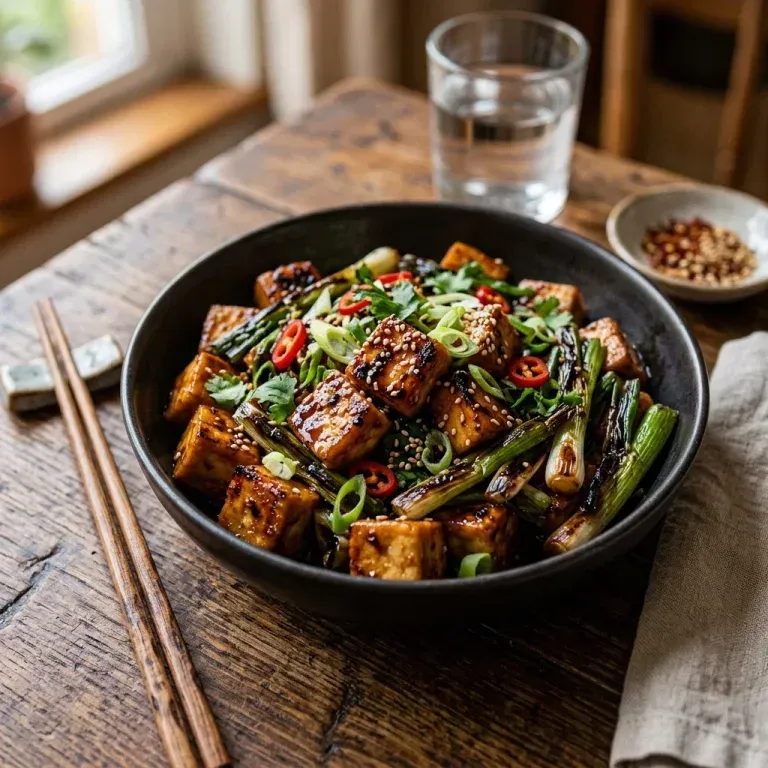
Switch up your protein depending on what is lurking in your crisper drawer. Swap the beef for thinly sliced chicken breast, firm tofu cubes, or peeled shrimp. If you choose tofu, press out excess moisture thoroughly and toss it in cornstarch before searing to achieve an irresistible crunch that rivals takeout.
Vary your vegetable combination based on seasonality. In autumn, toss in sliced mushrooms and baby bok choy. In spring, embrace sugar snap peas, asparagus spears, and crisp water chestnuts. Adjust your aromatics, too. Amp up the heat with crushed red pepper flakes or chili garlic paste if you like your food to bite back. Alternatively, brighten the flavor profile right before serving by squeezing fresh lime juice over the top to cut through the rich, savory soy glaze.
Side Dish Pairings for Complete Balance
A stellar stir-fry deserves companions that elevate its flavors without stealing the spotlight. Balance is everything in cooking, especially when dealing with the punchy, savory intensity of garlic and ginger.
Serve your beef and vegetables over a bed of fluffy jasmine rice, nutty brown rice, or chewy lo mein noodles designed to soak up every drop of that glossy sauce. If you want to keep things lighter, spoon the stir-fry over cauliflower rice or crisp shredded napa cabbage.
To offset the richness of the sesame-soy glaze, pair your meal with a quick, refreshing cucumber salad tossed in rice vinegar, a pinch of sugar, and toasted sesame seeds. The bright acidity slices right through the savory depth of the dish, resetting your palate between bites and turning a simple weeknight plate into a complete, restaurant-quality feast.
Frequently Asked Questions
What can I use if I don't have a wok?
Use a heavy-bottomed stainless steel skillet or a well-seasoned cast-iron pan. While traditional woks are designed to concentrate heat at the bottom, any wide, flat skillet that retains heat effectively will work wonderfully as long as you keep your burner on high.
How do I prevent my beef from getting tough?
Slice the steak very thin, about one-eighth to one-quarter of an inch thick, and always cut against the grain. Cook it over high heat for no more than three to four minutes total, and remove it from the pan before you cook your vegetables. Reintroducing the beef right at the end prevents overcooking.
Can I prep the ingredients ahead of time?
Absolutely. In fact, professional cooks call this mise en place. Chop your vegetables, mix your sauce, and slice your beef up to twenty-four hours in advance. Store them separately in airtight containers in the refrigerator so that when dinner time rolls around, cooking takes literally minutes.
Why is my stir-fry sauce watery instead of glossy?
Your pan likely wasn't hot enough, or you forgot to include cornstarch in your sauce mixture. Cornstarch requires heat to swell and activate its gelling properties. Whisk a teaspoon of cornstarch directly into your cold sauce ingredients before pouring it into the hot pan, and let it bubble for sixty seconds until it thickens into a glossy glaze.
Can I make this gluten-free?
Yes, easily. Substitute traditional soy sauce with an equal amount of tamari or coconut aminos. Check your other condiments like hoisin sauce (if using) to ensure they are certified gluten-free, and you will have a meal that accommodates dietary restrictions without sacrificing an ounce of flavor.