Recipe
Servings
Servings 1×
Ingredients
- Chicken
- Pasta
- Avocado
- Lime
- Peanut butter
- Butter
- Cooking oil
- Soy sauce or tamari
Method
- Use a paper towel to remove every trace of surface moisture before the meat touches the oil.
- Use a high-smoke-point oil like grapeseed or avocado oil.
- Give each piece enough "personal space" to make contact with the hot metal.
When the clock is ticking and your stomach is growling, nothing beats the efficiency of a stir-fry. It’s my ultimate secret weapon for quick family meals that actually taste like they took hours of effort. This specific dish marries the savory depth of seared chicken with the creamy, nutty punch of a homemade peanut sauce. I’m going to show you how to master the science of high-heat cooking so you can deliver a restaurant-quality meal to your table in less time than it takes to find the takeout menu.
The Science of the Sizzle: Mastering Heat and Texture
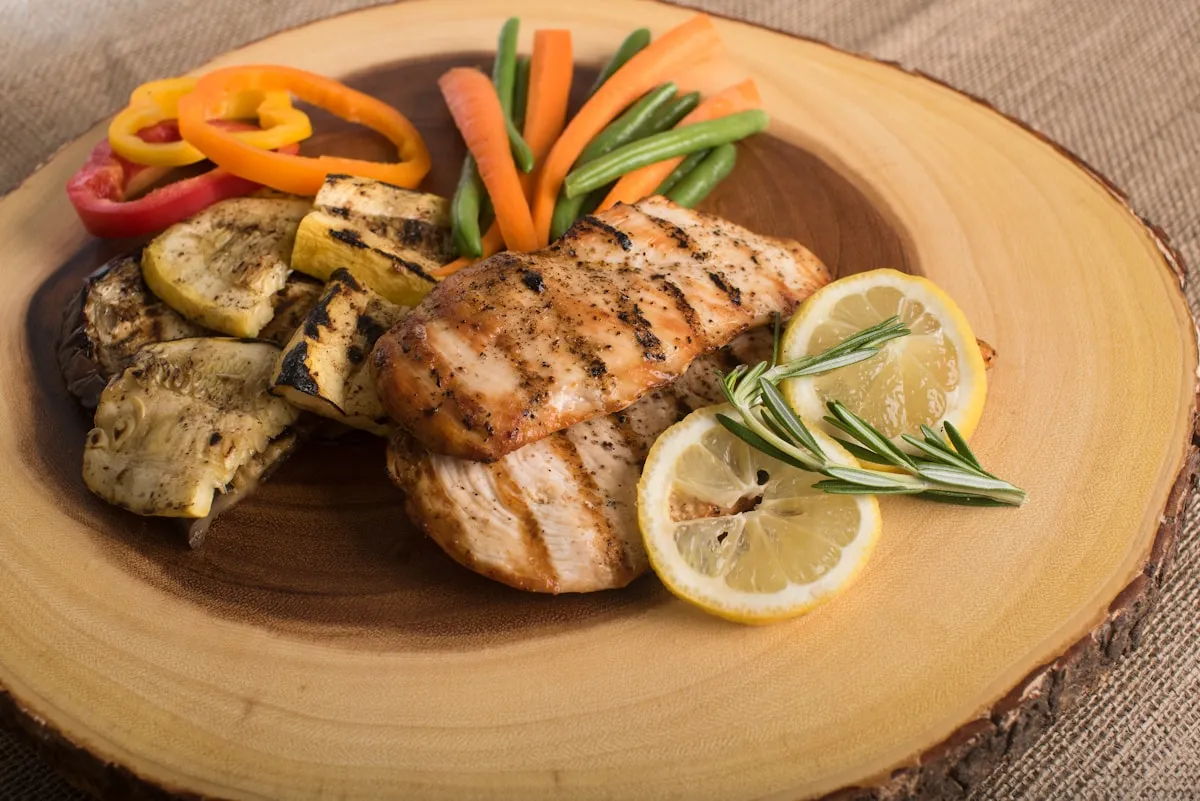
The biggest mistake I see home cooks make with stir-fry is "crowding the pan." If you want that gorgeous, savory crust on your chicken, you need to understand the Maillard reaction. This is a chemical dance between amino acids and sugars that occurs at high temperatures, roughly between 280°F and 330°F. When you pile too much cold meat into a pan at once, the temperature plummets and the chicken begins to steam in its own juices. Steamed chicken is gray and rubbery; seared chicken is golden and flavorful.
Blot your chicken dry. I cannot stress this enough. Use a paper towel to remove every trace of surface moisture before the meat touches the oil. Water is the enemy of the sear because it requires immense energy to evaporate before browning can even begin. If your chicken is wet, you’re spending half your cooking time boiling off water instead of creating flavor.
Preheat your pan until it’s screaming hot. Whether you’re using a traditional wok or a heavy stainless steel skillet, wait for the oil to shimmer or just barely start to smoke. Use a high-smoke-point oil like grapeseed or avocado oil. Avoid extra virgin olive oil here; it will break down and taste bitter under this kind of heat.
Cook in batches. If you are doubling the recipe for a larger group, sear the chicken in two separate turns. Give each piece enough "personal space" to make contact with the hot metal. Once the chicken is browned, remove it from the pan and set it aside while you blast the vegetables. This ensures your veggies stay crisp-tender rather than turning into mush.
The Emulsion Secret. Your peanut sauce isn't just a liquid; it’s an emulsion. This means we are forcing oil (from the peanut butter) and water (from the soy sauce and lime juice) to play nice together. To keep it from separating or looking "broken," whisk your liquid ingredients first and then gradually incorporate the peanut butter until it forms a smooth, glossy coating. If you find the sauce is too thick once it hits the pan, a tablespoon of pasta water or hot tap water will loosen it up without diluting the flavor. For more inspiration on efficient cooking, check out our quick meals category.
Variations for Every Palate
Stir-fry is remarkably forgiving, making it one of my favorite healthy dinner ideas for cleaning out the crisper drawer. If you aren't a fan of chicken, thinly sliced flank steak or shrimp work beautifully: just remember that shrimp cook in a fraction of the time. For a plant-based twist, use extra-firm tofu that has been pressed dry and seared until crispy.
You can also play with the "heat" levels in the peanut sauce. If you like a kick, whisk in a teaspoon of Sriracha or sambal oelek. If you prefer something more aromatic, add a grating of fresh ginger and a splash of toasted sesame oil right at the end. For those who enjoy the convenience of modern gadgets, you can even adapt some of these components for air fryer recipes dinner by crisping up the protein in the air fryer while you whisk the sauce on the stovetop. Check out our healthy recipes for more nutritious swaps.
Perfect Pairings for a Balanced Plate
While this stir-fry is a powerhouse on its own, the right side dish can elevate the entire experience. Because the peanut sauce is rich and fatty, you want a pairing that offers either a neutral base or a sharp, acidic contrast.
- Jasmine Rice: The classic choice. Its floral aroma and fluffy texture act as a sponge for the extra sauce.
- Quick Slaw: A simple mix of shredded cabbage, rice vinegar, and a pinch of salt provides a refreshing crunch that cuts through the creaminess of the peanuts.
- Rice Noodles: If you want a "Pad Thai" vibe, toss cooked wide rice noodles directly into the pan with the sauce at the final stage.
- Cucumber Salad: Thinly sliced cucumbers with a splash of lime juice and sesame seeds offer a cool temperature contrast to the hot stir-fry.
Stir-Fry FAQ: Troubleshooting Like a Pro
Why did my peanut sauce turn into a thick, clumpy paste?
This usually happens because the heat was too high for too long, causing the water to evaporate too quickly. Peanut butter is a powerful thickener. If your sauce seizes up, immediately remove the pan from the heat and whisk in a splash of water or coconut milk. The sauce should be glossy and just thick enough to coat the back of a spoon.
Can I use frozen vegetables?
You can, but proceed with caution. Frozen vegetables contain significantly more moisture than fresh ones. If you use them, do not thaw them first; throw them directly into the ripping hot pan. However, be prepared for a bit more "steam" and less "sear." For the best results in quick family meals, I recommend using fresh, sturdy vegetables like broccoli or bell peppers.
My chicken is sticking to the pan. What did I do wrong?
Usually, this is a sign of one of two things: your pan wasn't hot enough when you added the meat, or you tried to flip the chicken too soon. Protein will naturally "release" from the pan once a proper crust has formed. If you feel resistance when you try to move a piece of chicken, leave it alone for another 30 seconds.
Is this recipe meal-prep friendly?
Absolutely. This stir-fry holds up incredibly well in the fridge for up to three days. In fact, the flavors in the peanut sauce often deepen overnight. Just be sure to store the rice or noodles separately so they don't soak up all the sauce and become soggy. When reheating, add a tiny splash of water to loosen the sauce back up. If you're looking for more chicken-based inspiration, our database has plenty of options for busy weeknights.
{“@type”:”BlogPosting”,”image”:”https://cdn.marblism.com/3GsvynhVr1W.webp”,”author”:{“name”:”Penny”,”@type”:”Person”},”@context”:”https://schema.org”,”headline”:”15-Minute Meals: Quick Chicken and Vegetable Stir-Fry with Peanut Sauce”,”publisher”:{“logo”:{“url”:”https://cookpedia.com/logo.png”,”@type”:”ImageObject”},”name”:”Cookpedia”,”@type”:”Organization”},”description”:”Learn the science behind the perfect 15-minute chicken stir-fry with a creamy peanut sauce. Master the Maillard reaction and emulsion for restaurant-quality quick family meals.”,”datePublished”:”2026-08-01″}