Recipe
Servings
Servings 1×
Ingredients
- Chicken
- Tofu
- Beans
- Noodles
- Rice
- Broccoli
- Green beans
- Carrots
- Mushrooms
- Spinach
- Cucumber
- Garlic
- Fresh ginger
- Lime
- Cooking oil
- Soy sauce or tamari
- Sesame
- Chili seasoning
Method
- Add them directly to the boiling broth without thawing to maintain as much of their texture as possible.
- Add a tiny splash of rice vinegar or a squeeze of fresh lime juice.
- Keep frozen udon and bags of pre-washed spinach or bok choy in your freezer and fridge.
Sometimes, the clock is your biggest enemy in the kitchen. You want something that tastes like it’s been simmering for hours, but you only have fifteen minutes before your next meeting or the kids’ bedtime. That is where this chicken and vegetable udon noodle soup comes in. It is one of those quick family meals that saves your sanity without sacrificing flavor. Forget the bland, watery broths of your past; we are diving into a bowl of pure, chewy comfort that hits the table faster than you can order takeout.
The Science of Fast Flavor and Texture
When you are working within a 15-minute window, you cannot rely on long simmering times to extract collagen from bones or sweetness from aromatics. You have to use a bit of food science to cheat the system. To create a deep, savory base, start by sautéing your aromatics like ginger and garlic in a tiny bit of oil before adding any liquid. This process, known as fat-soluble aroma extraction, allows the flavor compounds to dissolve into the fat, which then carries that punch throughout the entire broth.
Choose a high-quality store-bought chicken stock or a dashi base. Since the broth is the foundation of the soup, don't settle for a low-sodium version that tastes like colored water. Look for stocks with a rich, golden hue. If you want to boost the umami, that "fifth taste" that makes everything savory, add a splash of soy sauce or a teaspoon of miso at the very end. However, keep an eye on the heat; never boil your broth once you have stirred in miso. Boiling can denature the delicate proteins and enzymes in the miso, turning your silky soup gritty and dulling its nuanced flavor profile.
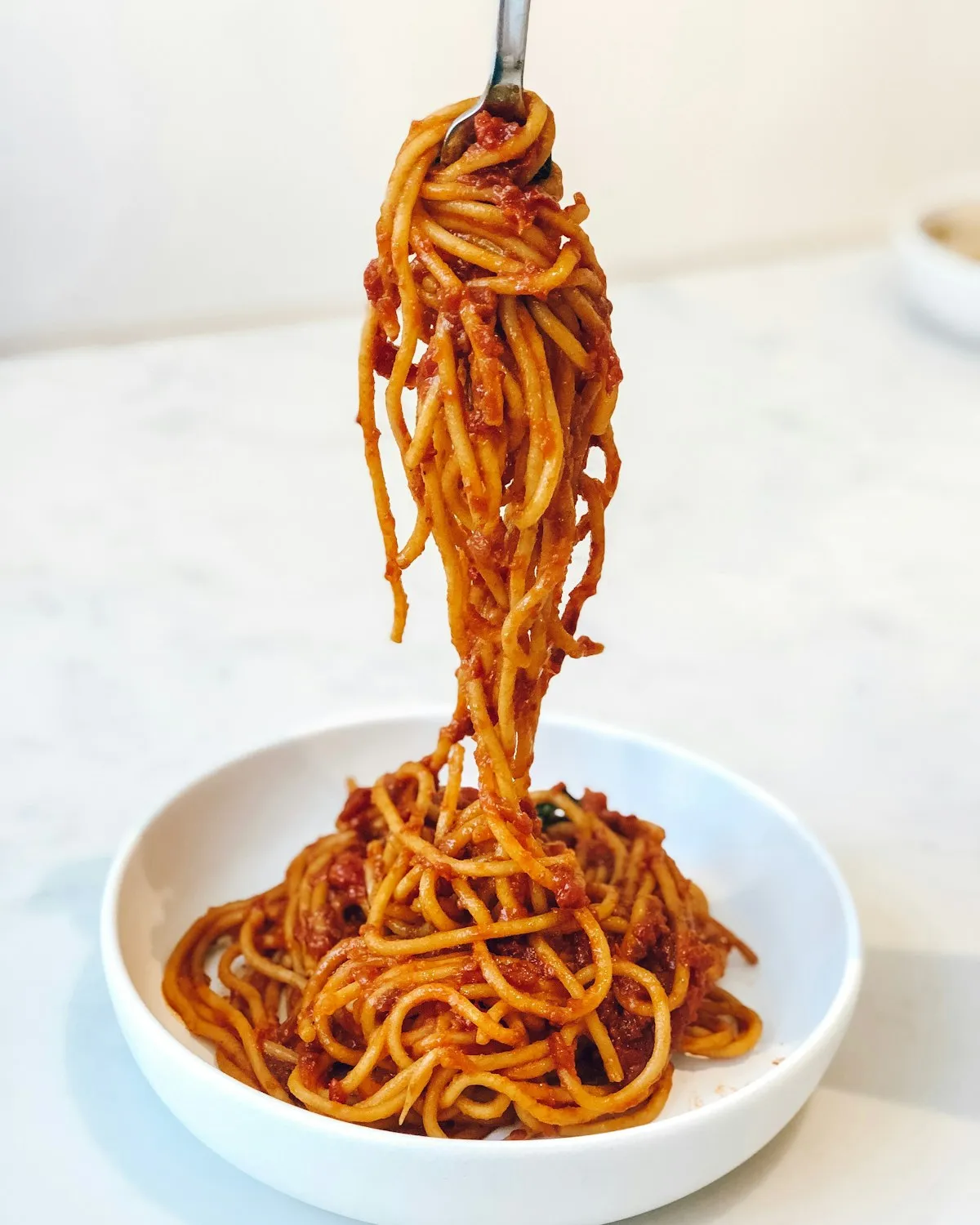
The texture of the chicken is another area where technique matters. To ensure the chicken stays tender and cooks in record time, slice it into paper-thin strips across the grain. This shortens the muscle fibers, making every bite melt-in-your-mouth soft. If you are using pre-cooked rotisserie chicken, add it at the very last second just to take the chill off. Overheating pre-cooked meat leads to that rubbery, stringy texture that ruins a good soup.
When it comes to the vegetables, you must respect the laws of density. Harder vegetables like carrots or daikon radish need a head start in the boiling broth. If you toss in delicate baby spinach at the same time as a thick carrot slice, you will end up with gray, mushy greens and a crunchy carrot. Aim for a staggered entry: carrots and mushrooms go in first, followed by bok choy stems, and finally, the leafy greens and scallions just before you turn off the heat.
Finally, let's talk about the stars of the show: the udon noodles. For the best healthy dinner ideas, I always recommend using frozen or vacuum-sealed "fresh" udon rather than the dried variety. Frozen udon is typically pre-cooked and then flash-frozen, meaning it only needs about 60 to 90 seconds in boiling water to reach that perfect "mochi-mochi" (chewy and bouncy) texture. Avoid boiling them directly in the soup if you want a crystal-clear broth; the excess starch on the noodles can thicken and cloud your soup base. Boil them separately for a minute, drain, and place them directly into your serving bowls before ladling the hot soup over the top.
Clever Variations for Every Lifestyle
While this chicken and vegetable version is a classic, the beauty of udon is its versatility. If you are looking for more plant-based healthy dinner ideas, swap the chicken for firm tofu cubes or a variety of meaty mushrooms like shiitake, oyster, and shimeji. The mushrooms provide a massive hit of natural umami that rivals any meat-based stock.
For those watching their carb intake, you can still enjoy the soul of this dish by swapping traditional wheat udon for shirataki (konjac) noodles. These are virtually calorie-free and do a fantastic job of absorbing the flavors of your ginger-infused broth. Just be sure to rinse them thoroughly under cold water before adding them to the pot to remove their natural earthy scent.
If you like a bit of heat, don't just reach for the hot sauce. Create a quick "aromatic spicy oil" by mixing chili flakes with a touch of toasted sesame oil and a pinch of sugar. Drizzle this over the finished soup to add depth and a slow-burning warmth that balances the saltiness of the soy sauce.
Perfect Side Dish Pairings
While this soup is a complete meal in a bowl, a few side dishes can turn a quick weeknight dinner into a full-blown feast. To balance the soft, chewy texture of the noodles and the warmth of the broth, I always suggest something with a distinct crunch.
A plate of pan-fried gyoza is a fantastic companion. You can even find great frozen versions that cook in minutes while your soup is simmering. If you want to keep things lighter, a "smashed" cucumber salad dressed with rice vinegar, sesame oil, and toasted sesame seeds provides a cold, acidic snap that cuts right through the richness of the chicken broth.
For those who love their kitchen gadgets, you might consider pairing this with a quick vegetable side from our collection of air fryer recipes dinner. Air-fried broccoli or crispy green beans add a toasted, charred flavor that complements the clean taste of the udon soup beautifully.
Common Questions and Troubleshooting
Why are my udon noodles so mushy?
Overcooking is the primary culprit. Frozen and vacuum-sealed udon are already cooked; you are simply rehydrating and warming them. If you leave them in a boiling broth for more than two minutes, they lose their structural integrity and become gummy. Always check the package and err on the side of caution.
Can I use frozen vegetables instead of fresh?
Yes, but you need to adjust your timing. Frozen vegetables often release more water, which can slightly dilute your broth. Add them directly to the boiling broth without thawing to maintain as much of their texture as possible. They usually only need a minute or two to heat through.
The broth tastes flat. How do I fix it?
If your soup tastes uninspired, it usually lacks either salt or acidity. Add a tiny splash of rice vinegar or a squeeze of fresh lime juice. The acid acts as a flavor "brightener," making the savory notes of the chicken and soy sauce pop. Alternatively, a small pinch of sugar can help balance out a broth that feels too aggressively salty.
How do I make this part of my rotation of quick family meals?
Preparation is your best friend. Keep frozen udon and bags of pre-washed spinach or bok choy in your freezer and fridge. If you have five minutes over the weekend, slice your chicken and aromatics ahead of time. When Monday night rolls around, you are just a few minutes away from a steaming bowl of comfort.
Can I use an air fryer for any part of this?
While the soup itself is a stovetop affair, we love experimenting with air fryer recipes dinner to add texture. Try air-frying some seasoned tofu or even crispy chicken skin to use as a crunchy garnish on top of your soup. It adds a layer of complexity that makes the dish feel much more gourmet than a 15-minute meal has any right to be.
Can I store the leftovers for the next day?
I don't recommend storing the noodles inside the broth. The udon will continue to absorb liquid until they are bloated and soggy. If you have leftovers, strain the noodles out and store them in a separate container with a tiny bit of oil to prevent sticking. Reheat the broth to a boil and then drop the cold noodles back in for 30 seconds before serving.
{“@type”:”BlogPosting”,”image”:”https://cdn.marblism.com/ODXbptEC0b_.webp”,”author”:{“name”:”Penny”,”@type”:”Person”},”@context”:”https://schema.org”,”headline”:”15-Minute Meals: Quick Chicken and Vegetable Udon Noodle Soup”,”publisher”:{“logo”:{“url”:”https://cookpedia.com/logo.png”,”@type”:”ImageObject”},”name”:”Cookpedia”,”@type”:”Organization”},”description”:”Learn how to make a delicious 15-minute chicken and vegetable udon noodle soup with these professional tips and food science insights for busy weeknights.”,”datePublished”:”2026-08-01T02:00:00Z”,”mainEntityOfPage”:{“@id”:”https://cookpedia.com/blog/15-minute-chicken-vegetable-udon-soup”,”@type”:”WebPage”}}