Recipe
Servings
Servings 1×
Ingredients
- Chicken
- Greek yogurt
- Lime
- Cream
Method
- Prepare the ingredients described in the article and heat the cooking surface or oven as directed.
- Cook the main ingredients using the heat and timing guidance in the article.
- Finish with the seasonings and garnishes named in the article, then serve.
We’ve all been there: the clock is ticking, the family is hungry, and the temptation to order takeout is growing by the second. But what if I told you that you could have a restaurant-quality meal on the table in less time than it takes for a delivery driver to find your house? These Quick Chicken Fajita Bowls are the ultimate solution for your rotation of quick family meals. By focusing on high-impact flavors and a bit of kitchen science, you can transform simple ingredients into a vibrant, healthy dinner that tastes like you spent hours at the stove.
The Science of the Sear: Mastering the Maillard Reaction
If you want your chicken to taste like it came off a professional grill rather than out of a steamer, you need to understand the Maillard reaction. This is the chemical dance between amino acids and reducing sugars that occurs when food hits high heat. It’s what creates those savory, charred edges and that deep "grilled" aroma. To achieve this in under 15 minutes, you must follow a few non-negotiable rules.
First, heat your pan until it’s screaming hot. I prefer a heavy cast-iron skillet because it retains heat better than thin aluminum. When you add the chicken, the pan temperature shouldn't plummet. If it does, your meat will sit in its own juices and steam, turning gray and rubbery instead of brown and delicious. If you are looking for alternative methods, some air fryer recipes dinner enthusiasts swear by the high-velocity air for browning, but for fajitas, nothing beats the direct contact of a hot skillet.
Second, dry your meat. Moisture is the enemy of browning. If your chicken is dripping with marinade or water, that liquid has to evaporate before the Maillard reaction can even begin. Use a paper towel to pat the chicken strips dry before they hit the pan. Don't worry, the flavor is already tucked into the fibers thanks to our quick marinade, and we’ll add more brightness at the end.
Finally, avoid crowding the pan. This is the mistake that kills most healthy dinner ideas. If you dump two pounds of chicken into a single skillet, you trap the steam. Cook in two batches if necessary. You want every piece of chicken to have its own "personal space" so the moisture can escape immediately, allowing the surface to reach the critical 300°F (150°C) required for that perfect crust.
The Chemistry of Acid and Dairy
The secret weapon of this dish isn't the chicken, it’s the Cilantro Lime Crema. While the chicken provides the savory, salty foundation, the crema provides the necessary "bright" notes to balance the dish. In food science, acidity performs a crucial role in "cutting" through richness. The lactic acid in the sour cream or Greek yogurt, combined with the citric acid from the lime juice, acts as a palate cleanser.
When you add lime juice to the marinade, you are also performing a process called partial denaturation. The acid begins to break down the tight protein structures on the surface of the chicken, allowing the spices to penetrate slightly deeper. However, timing is everything. Leave the chicken in acid for too long, say, over an hour, and those proteins will tighten up so much they squeeze out all the moisture, leaving you with "mushy" yet dry meat. For a 15-minute meal, a quick 5-minute toss while you slice your peppers is the scientific sweet spot.
Variations for Every Palate
While chicken is the classic choice, the beauty of the fajita bowl lies in its versatility. If you're looking for healthy dinner ideas that lean more toward plant-based living, you can easily swap the protein.
- Shrimp Fajitas: Shrimp cook even faster than chicken (usually in under 3 minutes). Because they are so small and have less surface area, you can afford to be even more aggressive with your heat.
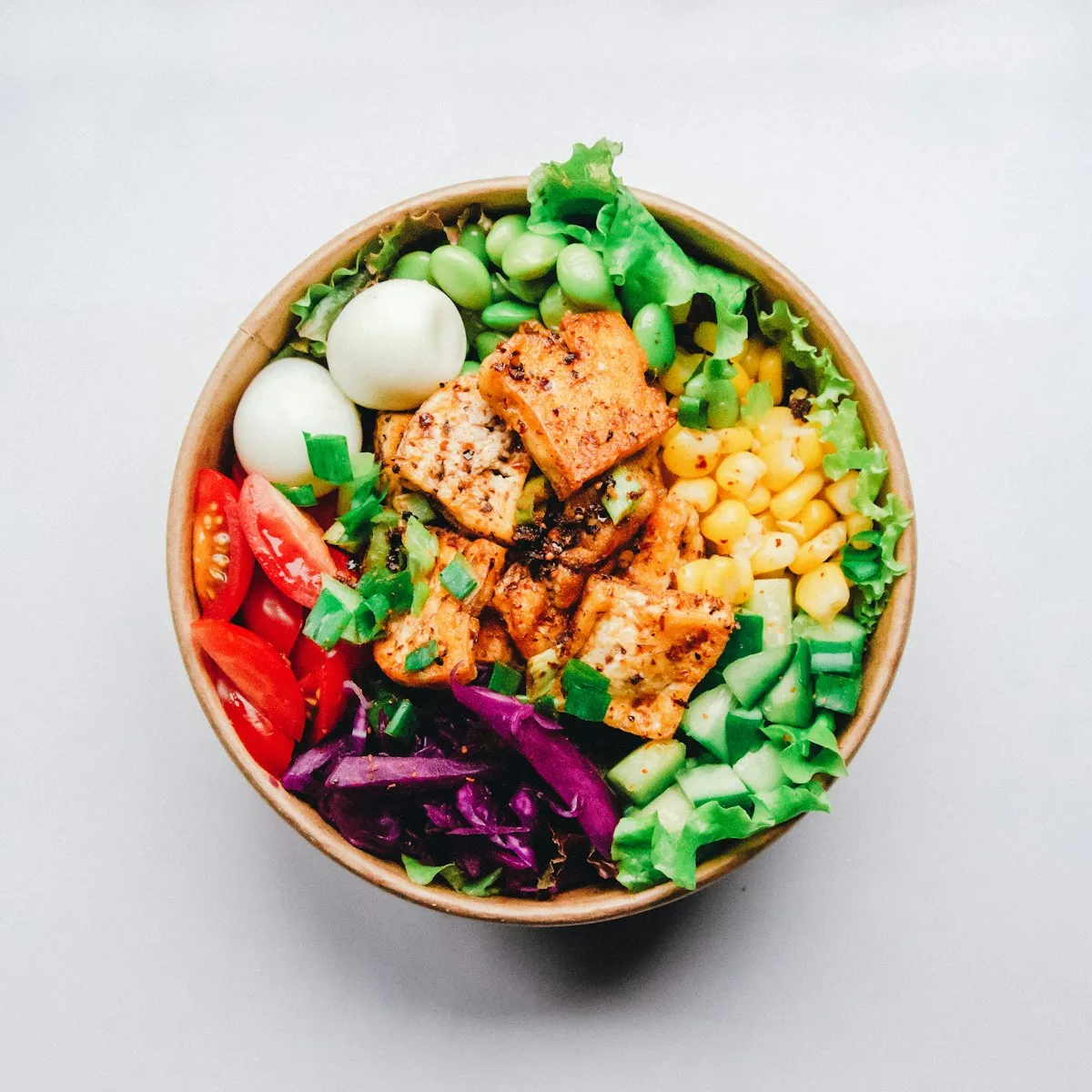
- Air Fryer Tofu: For a vegetarian twist, try cubing extra-firm tofu and tossing it in the spice mix. Using an air fryer is a great way to get that crispy exterior without much oil. In fact, experimenting with air fryer recipes dinner can often result in much crunchier tofu than pan-frying.
- Steak Fajitas: If you prefer beef, use skirt or flank steak. These cuts benefit immensely from a quick, high-heat sear, but they must be sliced against the grain to ensure they aren't chewy.
For those who crave heat, don't just rely on chili powder. Add sliced jalapeños or serranos to the pan at the same time as your onions. The heat from the peppers will mellow slightly as the sugars caramelize, providing a deep, complex spice rather than just a sharp sting.
Perfect Side Dish Pairings
A bowl is only as good as its base. While white rice is the standard, you can elevate the nutrition and flavor profile with smart pairings.
Cilantro Lime Quinoa: Quinoa offers more protein and fiber than white rice. Its slightly nutty flavor complements the charred peppers beautifully. If you're in a rush, use a pre-cooked pouch, just toss it with a bit of lime zest and fresh cilantro to freshen it up.
Black Bean and Corn Salad: To add texture, consider a quick side of black beans and charred corn. The sweetness of the corn provides a counterpoint to the smoky cumin in the chicken. This is also a great way to bulk up the meal, making it one of those quick family meals that stretches a small amount of meat across several servings.
Radish and Cabbage Slaw: If your bowl feels too "soft," add a handful of shredded cabbage and thinly sliced radishes. The crunch provides a textural contrast that makes the meal feel more substantial. Plus, the peppery bite of the radish mimics the heat of the fajita seasoning.
FAQ: Troubleshooting Your Fajitas
Why is my chicken tough and dry?
This is almost always a result of overcooking or over-marinating. Chicken breast is lean and has very little fat to protect it from heat. Once it hits an internal temperature of 165°F (74°C), it begins to dry out rapidly. Use an instant-read thermometer! Additionally, if you left the chicken in the lime juice marinade for several hours, the acid may have "cooked" the exterior, making it rubbery before it even hit the pan.
Can I make the crema ahead of time?
Absolutely. In fact, the crema actually tastes better after an hour or two in the fridge. This allows the oils from the cilantro and the zest of the lime to infuse into the dairy. Just be sure to give it a good stir before serving, as the acid can sometimes cause a slight separation over time.
How do I get those charred "blisters" on my peppers?
The secret is to leave them alone. Most home cooks stir their vegetables too often. Once you toss your peppers and onions into the hot oil, spread them out and let them sit undisturbed for 2-3 minutes. This allows the sugars to caramelize and the skins to blister. Stir them once, then let them sit again.
Is this recipe keto-friendly?
Yes, with one simple adjustment! Swap the rice or quinoa for a bed of shredded romaine lettuce or cauliflower rice. The chicken, peppers, and crema are naturally low in carbohydrates and high in healthy fats and protein, making this one of the most reliable healthy dinner ideas for those following a ketogenic lifestyle.
What if I don't have a cast-iron skillet?
While cast iron is the gold standard for searing, a heavy stainless steel or even a high-quality non-stick pan will work. Just be careful not to overheat non-stick pans to the point of smoking, as this can damage the coating. If you're using stainless steel, use a bit more oil to prevent the chicken from sticking.
Why does my crema look curdled?
If you add too much lime juice too quickly to full-fat sour cream, the pH drop can cause the proteins to clump together. Always add your acid slowly and whisk constantly. If it does curdle slightly, a teaspoon of warm water and a vigorous whisking can often smooth it back out.
{“@type”:”FAQPage”,”@context”:”https://schema.org”,”mainEntity”:[{“name”:”Why is my chicken tough and dry?”,”@type”:”Question”,”acceptedAnswer”:{“text”:”Tough chicken is usually caused by overcooking or over-marinating in acid. Chicken breast should be cooked to an internal temperature of 165°F. If marinated in lime juice for too long (over an hour), the acid denatures the proteins too much, resulting in a dry, rubbery texture.”,”@type”:”Answer”}},{“name”:”Can I make the crema ahead of time?”,”@type”:”Question”,”acceptedAnswer”:{“text”:”Yes, making the crema ahead of time allows the cilantro and lime flavors to meld with the dairy. Store it in the refrigerator and stir before serving.”,”@type”:”Answer”}},{“name”:”How do I get those charred ‘blisters’ on my peppers?”,”@type”:”Question”,”acceptedAnswer”:{“text”:”The key is high heat and minimal stirring. Let the peppers sit undisturbed in the hot pan for 2-3 minutes to allow the sugars to caramelize and create charred spots.”,”@type”:”Answer”}},{“name”:”Is this recipe keto-friendly?”,”@type”:”Question”,”acceptedAnswer”:{“text”:”Yes, by replacing the rice base with shredded lettuce or cauliflower rice, this dish becomes a high-protein, low-carb meal perfect for the keto diet.”,”@type”:”Answer”}}]}