Recipe
Servings
Servings 1×
Ingredients
- Chicken
- Salmon
- Shrimp
- Steak
- Lentils
- Chickpeas
- Beans
- Quinoa
- Noodles
- Eggs
- Greek yogurt
- Tortillas
- Asparagus
- Zucchini
- Kale
- Greens
- Cucumber
- Avocado
Method
- Let your vegetables sit for just five minutes in a bright dressing, and you’ll find they have a supple, cooked-like texture that’s much more satisfying than a standard raw salad.
- Use these techniques to build quick family meals that rely on assembly rather than combustion.
- Use the skillet for high-surface-area proteins like shrimp or thinly sliced steak.
- Let everyone build their own plates.
- Use high-quality, sushi-grade fish for raw preparations, or stick to pre-cooked proteins for safety.”,”@type”:”Answer”}},{“name”:”Why do my cold salads always get soggy?”,”@type”:”Question”,”acceptedAnswer”:{“text”:”Salt in dressings draws water out of vegetables via osmosis.
When the thermometer hits triple digits, the last thing you want to do is turn your kitchen into a sauna by preheating the oven. I've been there, standing over a hot stove while sweat drips down your neck is the fastest way to lose your appetite. But you still need to eat, and ideally, you want something better than a bowl of cereal. That’s why I’ve mastered the art of the 15-minute cool-down dinner. We’re talking about assembly-style eating and clever "cold cooking" that keeps your home chilled and your belly full.
The Science of the "Cold Cook"
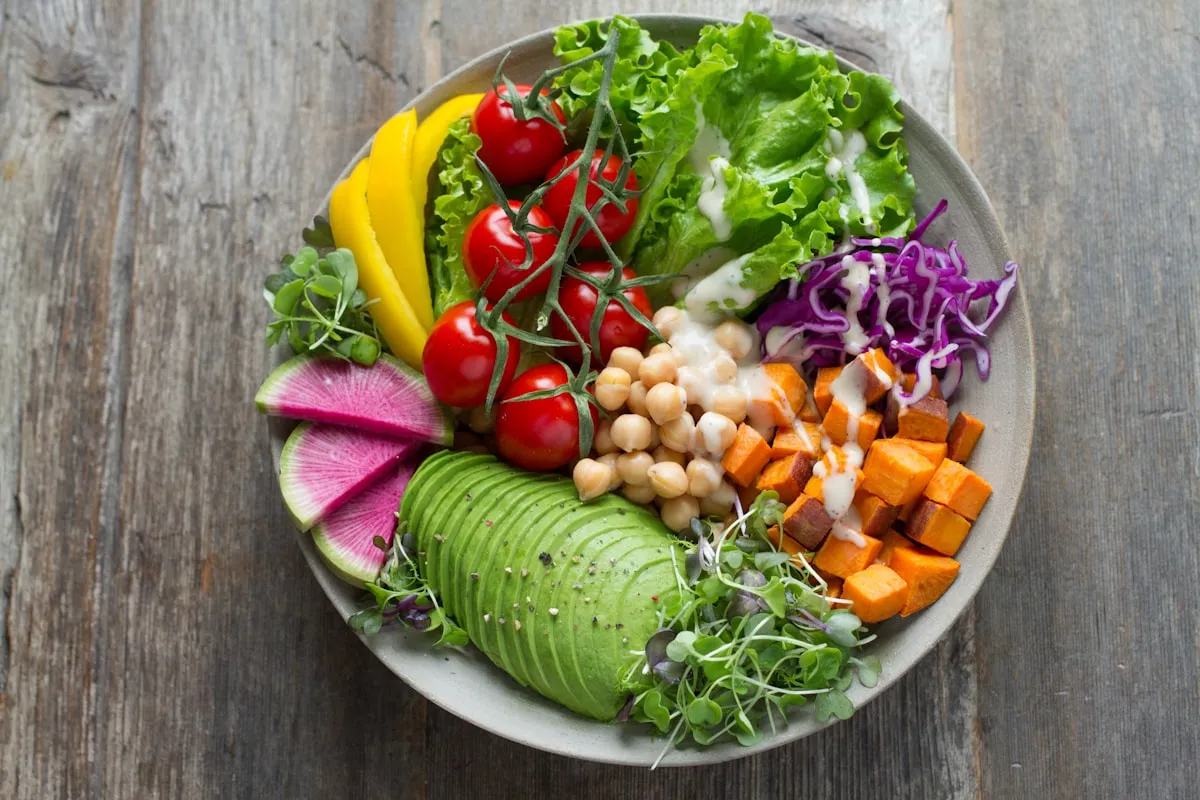
Cooking isn’t just about heat; it’s about transformation. In the culinary world, we often use temperature to denature proteins and break down cell walls, but you can achieve similar results using chemistry, specifically acid and salt. This is the secret to making healthy dinner ideas feel like a "real" meal without ever striking a match.
Acid Denaturation and Osmosis
Think about ceviche. You aren't applying heat, yet the fish turns opaque and firm. That’s acid denaturation at work. The citric acid in lime or lemon juice unravels the protein chains in the seafood, "cooking" it in a cold bath. You can apply this same principle to vegetables. When you toss raw zucchini ribbons or kale with a heavy hand of lemon juice and salt, you aren't just seasoning them. The salt triggers osmosis, drawing out excess moisture and softening the rigid cellulose. The acid then steps in to further tenderize the fibers. Let your vegetables sit for just five minutes in a bright dressing, and you’ll find they have a supple, cooked-like texture that’s much more satisfying than a standard raw salad.
Mechanical Transformation
Sometimes, the "cooking" happens in the blender. For recipes like chilled gazpacho or cucumber soup, the mechanical energy of the blades breaks down the plant cells into a silky emulsion. By adding a healthy fat like avocado or Greek yogurt, you create a rich mouthfeel that mimics the indulgence of a slow-simmered cream soup. It’s all about physics and chemistry, minus the sweat. Use these techniques to build quick family meals that rely on assembly rather than combustion.
Leveraging Pre-Cooked Proteins
Don’t be a hero; use the tools available to you. Rotisserie chickens and canned beans are your best friends in July. These are essentially "preserved" heat, someone else did the hard work of raising the temperature so you don't have to. When you combine these with fresh, high-impact ingredients like mint, basil, and feta, you bridge the gap between "snack" and "dinner." Always rinse your canned beans thoroughly to remove excess sodium and that "tinny" flavor, then hit them with a splash of vinegar to wake them up.
Fast Heat: Skillets and Air Fryers
If you absolutely must have something hot, keep the heat localized. A heavy skillet on a high burner for three minutes is far more efficient than a 400-degree oven running for forty. This is where air fryer recipes dinner fans really win. An air fryer is essentially a high-powered convection oven that doesn't leak heat into your living room.
Use the skillet for high-surface-area proteins like shrimp or thinly sliced steak. They cook in the blink of an eye. For the air fryer, focus on quick-charring vegetables like shishito peppers or asparagus. You get that charred, smoky flavor that usually requires a grill, but you can stay in the air conditioning. The key to keeping it under 15 minutes is prep. Chop everything before the pan even touches the burner. Once that heat is on, it’s a race to the finish line.
Balancing Freshness and Weight
When building a no-oven meal, you have to play with contrast to make the dish feel complete. Cold food can sometimes feel "thin" or unsatisfying if it lacks fat or umami. To fix this, look for ways to cut through richness with sharp acidity.
If you’re serving a creamy avocado-based soup, top it with something crunchy and vinegary, like pickled red onions. The acidity cuts through the dense healthy fats of the avocado, making every bite feel fresh rather than heavy. For grain bowls, combine the earthy weight of quinoa or farro with the explosive sweetness of summer peaches or nectarines.
Balance is also about temperature. A chilled noodle salad is transformed when you toss in some pan-seared ginger and garlic at the very last second. That tiny hit of warmth and aromatics makes the entire dish feel like a deliberate, chef-quality creation rather than a collection of leftovers. Focus on "brightness", use lime juice, fresh cilantro, and even a pinch of sumac to elevate simple ingredients.
Perfecting the Spread: Summer Pairings
A great summer meal isn't just one dish; it's a spread. Since you aren't spending time monitoring a roast, use those 15 minutes to assemble high-impact side dishes.
Pair a protein-heavy main, like air-fried salmon, with a cooling side like a watermelon and feta salad. The saltiness of the cheese and the hydration of the melon act as a natural palate cleanser. If you’re going the sandwich or wrap route, skip the heavy chips and go for a quick-pickled cucumber salad. Just sliced cucumbers, white vinegar, a pinch of sugar, and plenty of dill.
For a more communal vibe, try a "deconstructed" approach. Lay out your rotisserie chicken, a bowl of hummus, some warm pita, and a mountain of chopped cucumbers and tomatoes. Let everyone build their own plates. This not only saves you work but ensures that even the pickiest eaters find something they love. It’s the ultimate way to serve quick family meals while keeping the kitchen vibes low-stress and high-flavor.
Cooling Down Your Kitchen FAQ
Can I really "cook" meat with just lime juice like in ceviche?
Technically, yes, acid denatures the protein, making it safe to eat if the meat was high-quality and free of parasites to begin with. However, acid does not kill bacteria like E. coli or salmonella the way heat does. For 15-minute weeknight dinners, I always recommend using pre-cooked proteins (like rotisserie chicken) or quick-seared options (like shrimp) for safety and speed.
Why do my cold salads always get soggy by the time I eat them?
This is usually caused by salt. As mentioned in the "science" section, salt draws out water. If you dress a salad too early, the salt in the vinaigrette will pull the moisture out of your greens and cucumbers, leaving you with a puddle. Always dress your salads at the very last second, or keep the dressing on the side if you’re prepping in advance.
Is an air fryer really better than an oven for summer?
Absolutely. An oven is a massive thermal mass that radiates heat for hours after you turn it off. An air fryer is a closed system with a much smaller footprint. It reaches temperature almost instantly and cools down just as fast. If you're looking for air fryer recipes dinner inspiration, think of it as a localized "super-oven" that keeps the heat where it belongs: on your food.
How do I make a no-cook meal feel more filling?
Focus on "satiety triggers." These include fiber (beans, lentils, whole grains), healthy fats (avocado, nuts, seeds, olive oil), and protein. A bowl of lettuce won't keep you full, but a bowl of arugula topped with chickpeas, toasted pine nuts, and a soft-boiled egg will. Texture is also key, crunchy elements tell your brain that you're eating something substantial.
Can I use frozen vegetables for these 15-minute meals?
Yes, but be careful with the moisture. Frozen vegetables often release a lot of water when they thaw. If you're using them in a no-cook application, let them thaw and drain completely. For a quick skillet meal, toss them in while they're still frozen to preserve their snap, but keep the heat high so the moisture evaporates quickly.
{“@type”:”BlogPosting”,”image”:”https://cdn.marblism.com/qunfclmR1HN.webp”,”author”:{“name”:”Penny”,”@type”:”Person”},”@context”:”https://schema.org”,”headline”:”15 Minute No-Oven Meals to Beat the Summer Heat”,”publisher”:{“logo”:{“url”:”https://cdn.marblism.com/KxroJ1kM_KA.webp”,”@type”:”ImageObject”},”name”:”Cookpedia”,”@type”:”Organization”},”mainEntity”:[{“name”:”Can I really cook meat with just lime juice like in ceviche?”,”@type”:”Question”,”acceptedAnswer”:{“text”:”Acid denatures protein, changing its texture, but it does not kill bacteria like heat does. Use high-quality, sushi-grade fish for raw preparations, or stick to pre-cooked proteins for safety.”,”@type”:”Answer”}},{“name”:”Why do my cold salads always get soggy?”,”@type”:”Question”,”acceptedAnswer”:{“text”:”Salt in dressings draws water out of vegetables via osmosis. To avoid sogginess, dress your salads immediately before serving.”,”@type”:”Answer”}},{“name”:”Is an air fryer really better than an oven for summer?”,”@type”:”Question”,”acceptedAnswer”:{“text”:”Yes, air fryers are more energy-efficient and keep heat localized, preventing your kitchen from heating up like a traditional oven would.”,”@type”:”Answer”}}],”description”:”Discover the science of cold cooking and 15-minute no-oven meal ideas to stay cool this summer. Learn tips for using air fryers and skillets for quick family meals.”,”datePublished”:”2026-07-03″,”mainEntityOfPage”:{“@id”:”https://cookpedia.com/15-minute-no-oven-meals”,”@type”:”WebPage”}}