Recipe
Servings
Servings 1×
Ingredients
- Shrimp
- Tofu
- Noodles
- Rice
- Peas
- Cucumber
- Garlic
- Fresh ginger
- Lime
- Coconut milk
- Cream
- Butter
- Cooking oil
- Sesame
- Curry spices
- Chili seasoning
Method
- Start by blooming your aromatics in a hot pan.
- Use full-fat milk to ensure the sauce has enough body to withstand the starch being released from the noodles as they cook.
- Keep it at a gentle simmer.
- Use fresh lime juice or a splash of rice vinegar at the very end of the cooking process.
You know those nights when your brain feels like a browser with fifty tabs open, and your stomach is starting to protest the lack of attention? We have all been there. You want something that tastes like it took an hour of meditative chopping and simmering, but you only have fifteen minutes before the "hangry" monster fully takes over. Enter my favorite solution: Coconut Ginger Noodles. This dish is the ultimate culinary hug, creamy, zingy, and deeply satisfying. It is the gold standard for quick family meals that do not require a degree in French cooking or a mountain of dishes to wash afterward.
The Science of the Perfect Emulsion
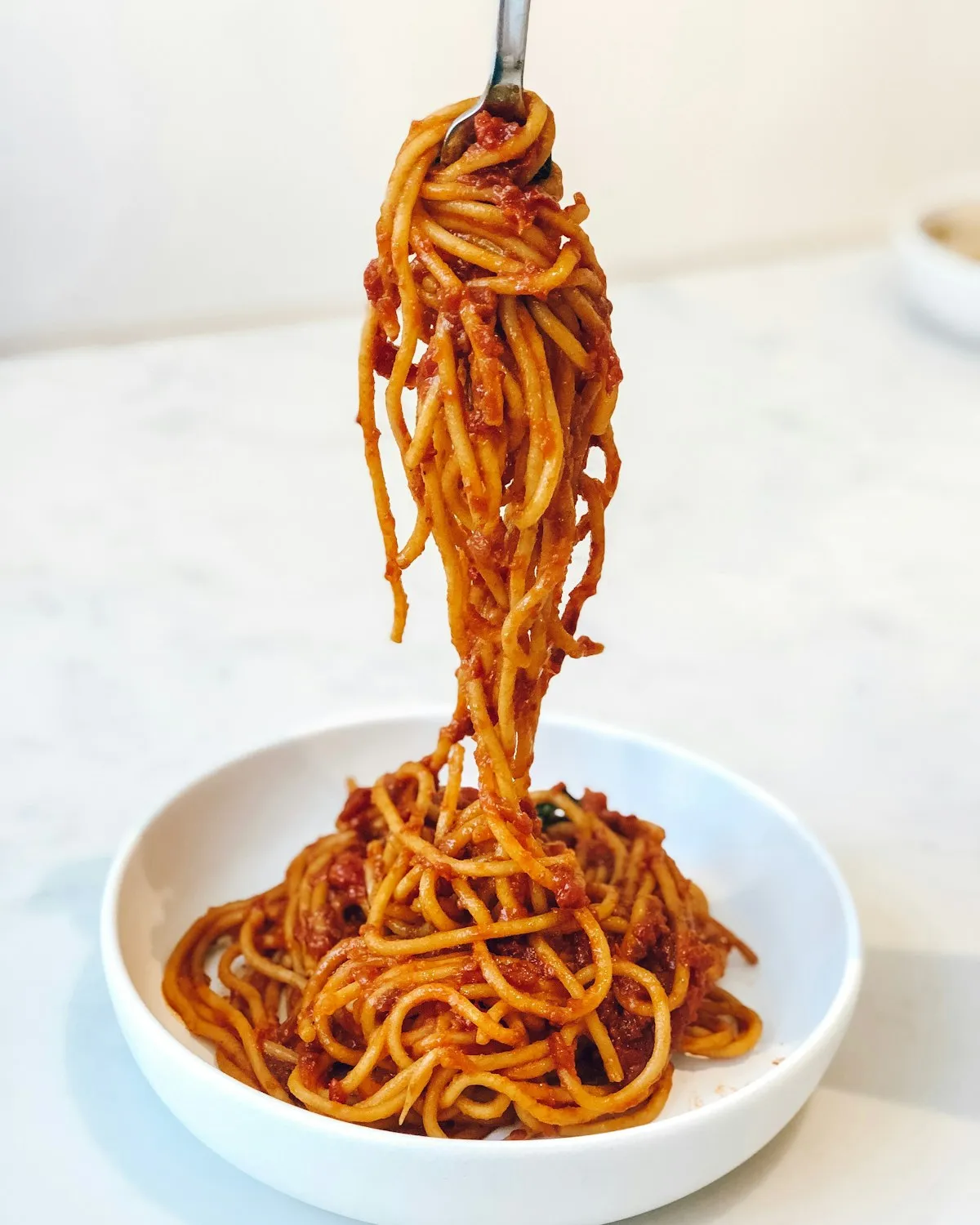
To master this dish, you have to understand the science of your base. Coconut milk is not just a liquid; it is a complex oil-in-water emulsion. When you open that can, you often see a thick, solid layer of cream on top. Do not throw that away! That fat is where the magic happens. It acts as a solvent for the aromatic compounds in your ginger and garlic.
Start by blooming your aromatics in a hot pan. Sauté the ginger and garlic until they are just fragrant. Avoid over-browning them; you want the bright, spicy notes of the ginger to lead the way, not the bitter notes of burnt garlic. This step is a non-negotiable. If you skip the sauté and just dump everything into cold liquid, you will end up with a flat, one-dimensional sauce. By heating the aromatics in oil first, you extract the fat-soluble flavor molecules, which then hitch a ride on the coconut fat droplets, coating every single strand of noodle with intense flavor.
When it comes to the coconut milk itself, always choose the full-fat canned version. "Light" coconut milk is essentially just watered-down fat, and it lacks the structural integrity to create a silky sauce that actually clings to your noodles. Use full-fat milk to ensure the sauce has enough body to withstand the starch being released from the noodles as they cook.
Manage your heat carefully once the coconut milk enters the pan. Avoid a rolling boil. A hard boil can cause the proteins in the coconut milk to denature and the emulsion to "split," leaving you with a greasy, curdled mess. Keep it at a gentle simmer. This allows the sauce to reduce slightly and thicken without losing its creamy integrity. If you are looking for more 15-minute meals, mastering this simmer-not-boil technique is your ticket to restaurant-quality results at home.
Balance the richness of the coconut with high-impact acidity. The fat in the coconut milk is heavy and sweet; it needs a sharp counterpoint to wake it up. Use fresh lime juice or a splash of rice vinegar at the very end of the cooking process. Adding acid too early can sometimes destabilize the sauce, so wait until you are ready to serve. This hit of acidity cuts through the fat and highlights the spicy ginger, turning a heavy bowl of noodles into a vibrant, healthy dinner ideas staple that feels light yet nourishing.
Creative Variations for Every Palate
The beauty of this minimalist base is that it behaves like a blank canvas. If you want to lean into a more Japanese-inspired profile, whisk a tablespoon of white miso into the coconut milk before adding it to the pan. The miso adds a fermented, salty depth that pairs beautifully with the sweet coconut. You might even find inspiration from my viral garlic butter ramen hack if you want to add a buttery, savory twist to the noodle texture.
For those who crave a bit of "crunch" and extra protein, consider adding crispy tofu or shrimp. If you use tofu, press it well to remove excess moisture and sear it separately so it maintains its texture against the creamy sauce. Alternatively, throw in a handful of frozen peas or thinly sliced bell peppers during the last two minutes of simmering. They add color and a necessary fresh crunch that contrasts the soft noodles.
If you are a fan of heat, do not stop at the ginger. Incorporate a teaspoon of red curry paste or a few slices of fresh Thai bird's eye chili into the initial sauté. The fat in the coconut milk actually tempers the capsaicin, meaning you get all the complex fruitiness of the chili with a more manageable level of burn. It transforms the dish into a soulful, spicy bowl that rivals any takeout.
Perfect Side Dish Pairings
Since these noodles are rich and creamy, your side dishes should focus on brightness and texture. A simple plate of charred baby bok choy is my go-to recommendation. The slight bitterness and the juicy stalks of the bok choy provide a refreshing break from the coconut sauce. You can even use your air fryer to get those leaves perfectly crispy in minutes, check out my tips for air fryer recipes dinner to see how versatile that appliance can be for quick sides.
A smashed cucumber salad is another fantastic pairing. The cool, crisp cucumbers dressed in a sharp vinegar and sesame oil dressing offer a temperature and texture contrast that keeps the meal interesting. Avoid heavy, starchy sides; you already have the noodles for that. Focus on greens, acidity, and crunch to keep the meal balanced and light.
Frequently Asked Questions
What if my sauce is too thick?
This happens often because noodles are starch-monsters, they soak up liquid even after you turn off the heat. If your sauce looks more like a paste than a silky coat, do not panic. Add a splash of hot water or extra coconut milk one tablespoon at a time. Stir gently over low heat until the desired consistency returns. Always keep a little bit of the noodle cooking water if you are boiling them separately; that starchy water is liquid gold for thinning sauces while maintaining a velvety texture.
Can I use dry ground ginger instead of fresh?
In a word: no. Ground ginger is a completely different beast; it is warm and woody, whereas fresh ginger is sharp, citrusy, and pungent. For this specific dish, the "soul" comes from that fresh ginger bite. If you are in a pinch, you can use the ginger paste that comes in a tube, but avoid the spice rack for this one.
Is this dish suitable for meal prep?
Coconut-based sauces can be a bit finicky when reheated because the fat tends to solidify in the fridge. If you are making this for a quick family meals prep session, store the sauce and noodles separately if possible. When reheating, add a splash of water and heat it slowly on the stove. Avoid the microwave if you can, as it can cause the sauce to separate into oil and water.
Why did my coconut milk curdle?
Curdling usually happens for two reasons: too much heat or too much acid added too early. If you boiled the sauce vigorously, the proteins likely clumped together. To fix a split sauce, try whisking in a small amount of warm coconut milk or even a teaspoon of cornstarch slurry to help re-bind the emulsion. Next time, keep the heat at a low simmer and save the lime juice for the very last step.
Can I use different types of noodles?
Absolutely. While I love thick wheat noodles or udon for their chewiness, rice noodles work perfectly for a gluten-free version. Just be aware that rice noodles are more delicate and can turn to mush if overcooked. If you’re looking for a low-effort alternative, my one-pan cacio e pepe method proves that even standard spaghetti can be transformed into something magical with the right technique.
How can I make this more of a "healthy dinner ideas" choice?
To boost the nutritional profile, load up on the aromatics and greens. Use a 50/50 mix of noodles and spiralized zucchini or carrots. This increases the volume and fiber of the dish without sacrificing the satisfying mouthfeel of the coconut ginger sauce. You can also swap the white noodles for whole-grain or buckwheat soba for a slower energy release.
{“@type”:”BlogPosting”,”image”:”https://cdn.marblism.com/iYkAfeJCO9i.webp”,”author”:{“name”:”Penny”,”@type”:”Person”},”@context”:”https://schema.org”,”headline”:”15-Minute One Pot Coconut Ginger Noodles: Minimalist & Soulful”,”publisher”:{“logo”:{“url”:”https://cookpedia.com/logo.png”,”@type”:”ImageObject”},”name”:”Cookpedia”,”@type”:”Organization”},”description”:”Learn the science and technique behind making the perfect 15-minute coconut ginger noodles. A quick, healthy, and flavorful one-pot meal for busy weeknights.”,”datePublished”:”2026-06-19″,”mainEntityOfPage”:{“@id”:”https://cookpedia.com/15-minute-coconut-ginger-noodles”,”@type”:”WebPage”}}