Recipe
Servings
Servings 1×
Ingredients
- Chicken
- Cream
- Butter
- Cooking oil
Method
- Prepare the ingredients described in the article and heat the cooking surface or oven as directed.
- Cook the main ingredients using the heat and timing guidance in the article.
- Finish with the seasonings and garnishes named in the article, then serve.
Let's be real: your weeknights are a battlefield. Between the late meetings and the kids' soccer practice, the last thing you want is a sink full of dishes and a recipe that takes an hour to simmer. You need something soulful that doesn't sacrifice your sanity. This 15-Minute One Pot Creamy Basil Chicken is my go-to for those high-stress evenings. It’s rich, bright, and surprisingly elegant for something that comes together faster than you can order takeout.
The Science of the Silky Skillet
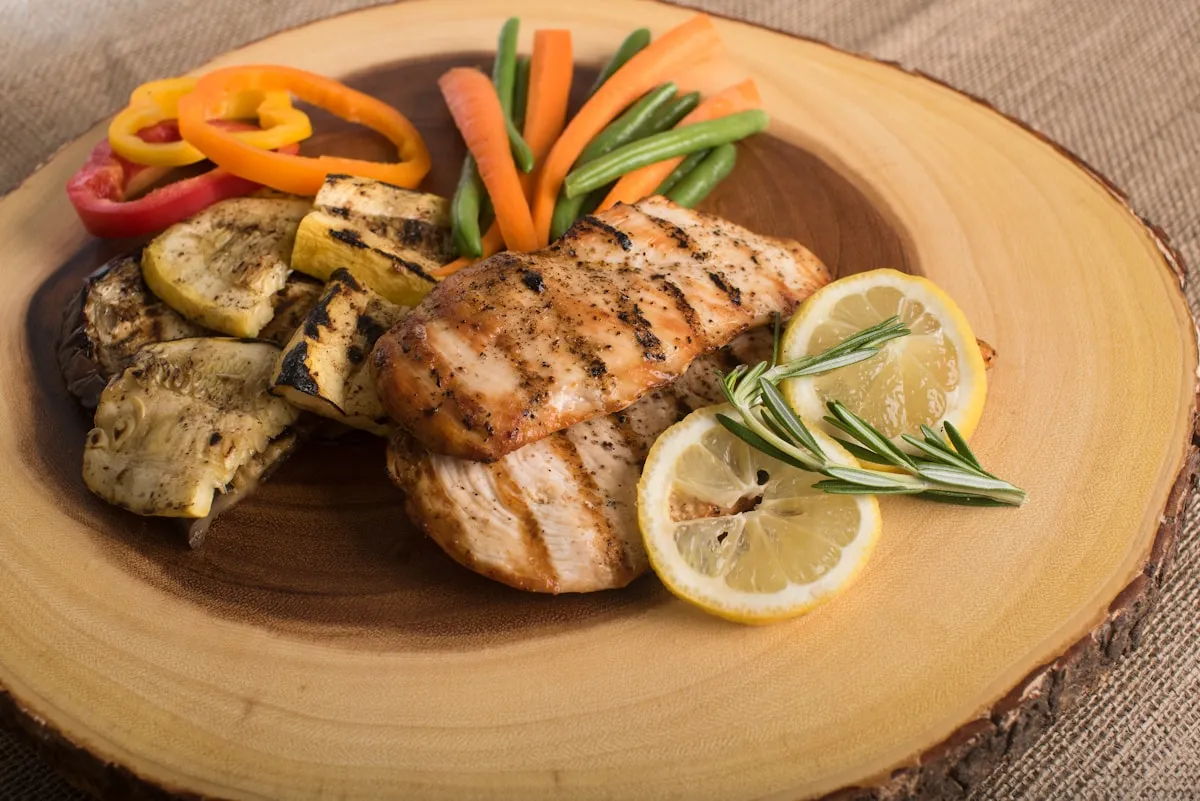
Achieving that restaurant-quality silkiness in a single pan isn't magic; it's basic chemistry. To make this one of your favorite quick family meals, you have to understand the "why" behind the pan.
First, let's talk about the Maillard reaction. When you sear your chicken, don't just "cook" it: brown it. That golden crust is where the flavor lives. As the chicken sears, it leaves behind "fond": those brown, caramelized bits stuck to the bottom of the pan. This is culinary gold. Never wash that pan! When you add your liquid, you are deglazing, which lifts those flavor molecules back into your sauce.
Now, for the cream. The biggest mistake home cooks make is using low-fat milk and wondering why their sauce looks like curdled water. Use heavy cream. Its high fat content (at least 36%) makes it a stable emulsifier. In a cream sauce, you are essentially creating an oil-in-water emulsion. The fat droplets from the cream and the butter are suspended in the chicken broth. Heavy cream contains natural phospholipids that act as a bridge between the fat and the water, preventing the sauce from "breaking" or turning grainy.
Temperature control is your best friend here. Keep the sauce at a gentle simmer, not a rolling boil. A violent boil can cause the proteins in the dairy to tighten and separate, leading to a gritty texture. Aim for small, lazy bubbles at the edges of the pan. If you see the sauce starts to separate, whisk in a tablespoon of cold water or a splash more cream to lower the temperature and pull the emulsion back together.
Finally, the basil. Basil is a delicate herb filled with volatile oils that evaporate almost instantly when exposed to high heat. If you cook the basil with the chicken, you’ll end up with brown, tasteless mush. Instead, add your freshly chopped basil at the very end, right after you turn off the heat. The residual warmth is just enough to wilt the leaves and release that peppery, aromatic punch without destroying the bright green color.
Variations for Every Lifestyle
This recipe is a minimalist's dream because it acts as a canvas. If you’re looking for healthy dinner ideas, you can easily pivot this dish to suit your dietary needs without losing that soulful essence.
The Keto Powerhouse:
To keep this strictly low-carb, lean heavily on the heavy cream and freshly grated Parmesan. The cheese acts as a secondary thickener, so you don't need any starch. Double the basil and add a handful of spinach at the end for an extra hit of micronutrients. It’s high-fat, satisfying, and keeps you in ketosis while feeling like a cheat meal.
The Zesty Mediterranean:
Add a tablespoon of drained capers and a squeeze of fresh lemon juice right at the finish. The acidity of the lemon cuts through the richness of the cream, creating a balanced profile that feels lighter. This version is particularly good if you're serving it over a bed of zucchini noodles.
The Spicy Kick:
If your family likes a bit of heat, toss in half a teaspoon of red chili flakes when you're searing the chicken. The oil from the pan will "bloom" the spices, carrying the heat throughout the entire sauce. This is one of those quick family meals that satisfies both the kids (who can have the non-spicy parts) and the adults who want a bit of a zing.
Dairy-Free Soul:
You can swap the heavy cream for full-fat coconut cream (the thick stuff at the top of the can). While it adds a slight coconut undertone, it pairs beautifully with the basil and chicken. Skip the Parmesan and add a nutritional yeast sprinkle for that savory, cheesy hit.
Balancing Richness: Side Dish Pairings
Because this chicken is unashamedly rich, your side dishes need to provide contrast. Think of it like a seesaw: you have the heavy weight of the cream on one side, so you need acidity or crunch on the other.
A simple arugula salad with a lemon-tahini dressing is my top choice. The peppery bite of the arugula mimics the notes in the fresh basil, while the lemon juice acts as a palate cleanser between bites of creamy chicken. If you want something heartier, a side of roasted asparagus or steamed broccolini works wonders. These green veggies provide a necessary "snap" that offsets the soft texture of the sauce.
For those who aren't watching their carbs, a piece of crusty sourdough or a ciabatta roll is non-negotiable. You’ll want something to mop up every last drop of that basil-infused cream. If you're looking for air fryer recipes dinner to go along with this, try making some air-fried garlic croutons or crispy baby potatoes. The crunch of the potatoes against the silky sauce is pure comfort.
Common "What If" Questions (FAQ)
What if my sauce is too thin?
Don't panic and don't reach for the flour. The best way to thicken a cream sauce is through reduction. Increase the heat slightly to a steady simmer and let the water content evaporate. As the liquid reduces, the fat and proteins concentrate, naturally thickening the sauce. Also, remember that the sauce will thicken significantly as it cools slightly on the plate.
Can I use dried basil instead of fresh?
Honestly? I wouldn't recommend it for this specific dish. Dried basil has a completely different flavor profile: more minty and hay-like: and it lacks the vibrant oils that define this meal. If you're in a pinch, use a dollop of store-bought pesto instead. It’s a better substitute than the dried stuff.
Why did my sauce curdle?
Curdling usually happens for two reasons: high heat or high acidity (like adding lemon juice too early). If you boiled the cream too hard, the proteins clumped together. Next time, keep the heat at a "whisper simmer." If you’re adding lemon, always stir it in at the very end after removing the pan from the heat source.
Can I use chicken thighs instead of breasts?
Absolutely. In fact, chicken thighs are more forgiving. They have a higher fat content and more connective tissue, which means they stay juicy even if you overcook them by a minute or two. Just ensure you sear them skin-side down first to render out that fat, which will make your sauce even more flavorful.
Is this freezer-friendly?
Cream-based sauces are notoriously finicky in the freezer. They tend to separate and become grainy when thawed because the fat-water emulsion breaks during the freezing process. If you must freeze it, reheat it very slowly on the stove while whisking constantly to try and re-emulsify the sauce. It's much better enjoyed fresh!
How do I store and reheat leftovers?
Store in an airtight container in the fridge for up to 3 days. When reheating, avoid the microwave if possible; it tends to make the chicken rubbery and "break" the sauce. Instead, put it back in a skillet over low heat with a splash of water or milk to loosen the sauce up.
{“@type”:”FAQPage”,”@context”:”https://schema.org”,”mainEntity”:[{“name”:”What if my sauce is too thin?”,”@type”:”Question”,”acceptedAnswer”:{“text”:”The best way to thicken a cream sauce is through reduction. Simmer the sauce to evaporate water content, allowing fats and proteins to concentrate. Adding more parmesan cheese off the heat can also help.”,”@type”:”Answer”}},{“name”:”Can I use dried basil instead of fresh?”,”@type”:”Question”,”acceptedAnswer”:{“text”:”Fresh basil is highly recommended for its volatile oils and bright flavor. Dried basil is a poor substitute; use a spoonful of basil pesto if fresh leaves are unavailable.”,”@type”:”Answer”}},{“name”:”Why did my sauce curdle?”,”@type”:”Question”,”acceptedAnswer”:{“text”:”Curdling occurs from excessive heat or early addition of acid. Keep the sauce at a gentle simmer and add acidic ingredients like lemon juice only after removing from heat.”,”@type”:”Answer”}},{“name”:”Can I use chicken thighs instead of breasts?”,”@type”:”Question”,”acceptedAnswer”:{“text”:”Yes, chicken thighs are a great alternative as they stay juicy and provide more flavor due to their higher fat content. Ensure a good sear before adding the sauce components.”,”@type”:”Answer”}}]}