Recipe
Servings
Servings 1×
Ingredients
- Pasta
- Noodles
- Rice
- Onion
- Lime
- Peanut butter
- Butter
- Cooking oil
- Soy sauce or tamari
- Chili seasoning
- Salt
Method
- Keep the sauce balanced, save a little noodle water, and dinner is handled.
- Add it gradually and whisk firmly.
- Start with a thick sauce, then thin it until it flows easily from a spoon.
- Let the heat from the noodles do the work.
- Cook them until just tender, not soft and floppy.
- Drain promptly once they are ready, then toss while they are still hot.
Some dinners need a long simmer and a sink full of dishes. These 15-Minute Peanut Noodles with Scallions need neither. They bring together chewy noodles, a creamy savory sauce, fresh onion flavor, and just enough heat for a meal that tastes much more complicated than it is. I make this when I want quick family meals without reaching for another bland bowl of pasta. Keep the sauce balanced, save a little noodle water, and dinner is handled.
Why the Sauce Clings: The Science of Peanut Noodles
The magic here is not complicated, but it does depend on a few non-negotiable techniques. Treat them as kitchen laws. Peanut sauce is forgiving; completely dry noodles are not.
Build a loose emulsion
Peanut butter contains fat and finely ground peanut solids, while soy sauce, vinegar, lime juice, and hot water bring moisture and acidity. When you whisk them together gradually, you create a smooth, creamy suspension rather than a puddle of oil sitting beside a lump of peanut butter.
Do not pour all the liquid in at once. Add it gradually and whisk firmly. The peanut butter needs time to loosen and absorb the liquid. Start with a thick sauce, then thin it until it flows easily from a spoon. It should coat the noodles without behaving like cement.
Warmth helps, too. Hot noodle water softens the peanut butter and makes the sauce easier to combine. You do not need to boil the sauce or dirty another pan. Let the heat from the noodles do the work.
Save the starchy water
Reserve some of the water from the noodle pot before draining. This is one of the most useful habits in simple pasta recipes, and it costs nothing except remembering not to empty the pot too soon.
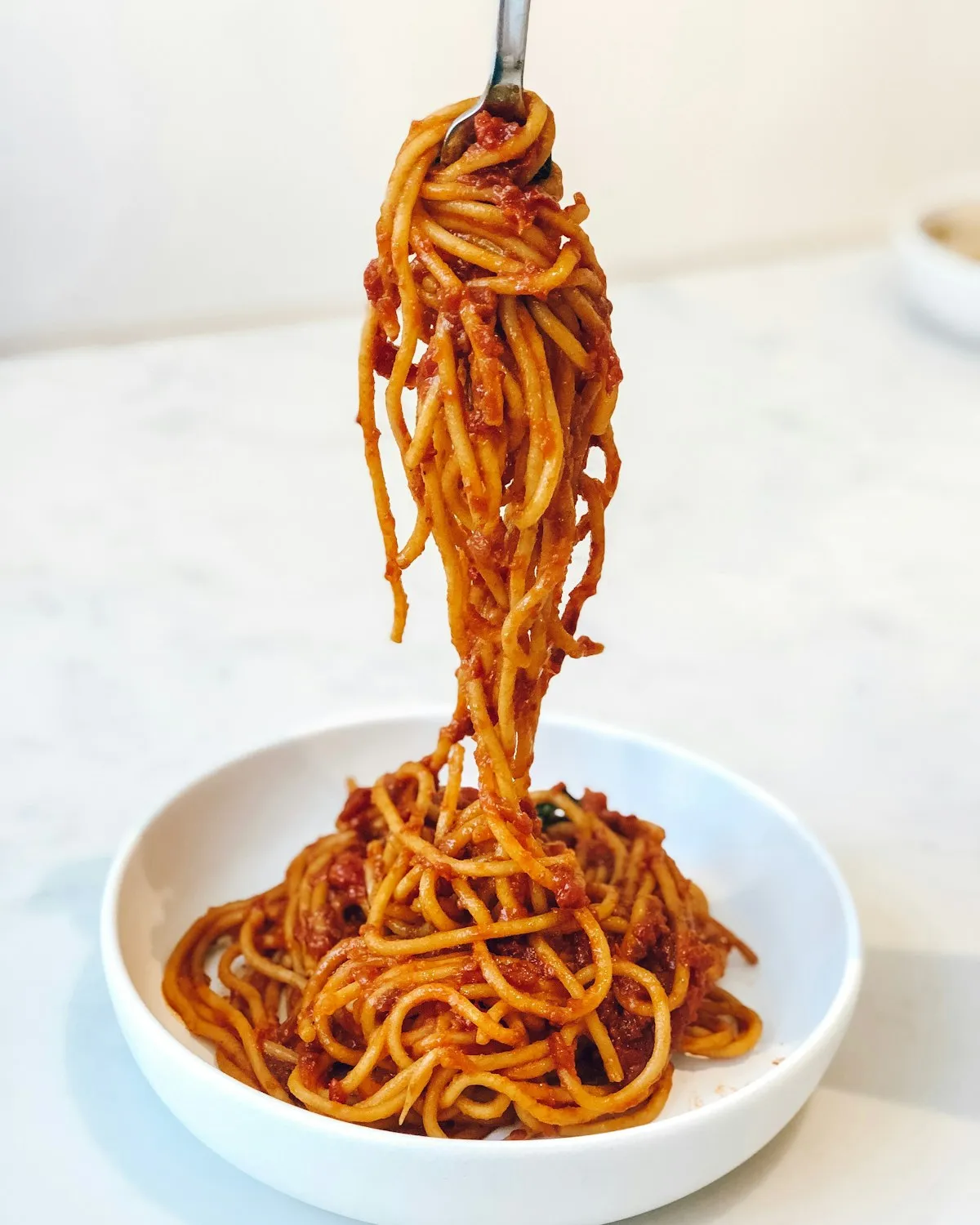
As noodles cook, they release a small amount of starch into the water. When you whisk that water into peanut sauce, the starch gives the sauce more body and helps it cling to the noodle surface. Plain water can thin the sauce, but starchy water improves the texture while keeping the coating creamy.
Add the water sparingly. A few spoonfuls can transform a thick sauce. Too much can make the flavor seem weak and the noodles slippery. If the sauce tightens while you toss, add another small splash. Adjust gradually instead of trying to rescue a soup.
Cook noodles just until tender
Choose noodles with enough surface texture to hold sauce. Spaghetti, ramen, udon, wheat noodles, and even some whole-wheat varieties can work. The shape matters less than the finish.
Cook them until just tender, not soft and floppy. A chewy noodle gives the creamy sauce something to push against, creating contrast in every bite. Overcooked noodles absorb water and lose their structure, which can make the finished dish feel heavy.
Check the noodles before the package time ends. Brand instructions are helpful, but your pot, water volume, and preferred texture are the final judges. Drain promptly once they are ready, then toss while they are still hot.
Use scallions in two ways
Scallions are doing more than decorating the bowl. Divide their role between soft and fresh.
Let some of the sliced scallions meet the hot noodles and sauce. Their sharp sulfurous flavor mellows, and their natural sweetness becomes more noticeable. Keep the greenest pieces for the top. Raw scallions add freshness, a gentle crunch, and the clean onion aroma that keeps peanut sauce from tasting too rich.
This cooked-and-fresh contrast is especially useful in a 15-minute meal because it creates layers without requiring a long cooking process. You get mellow onion flavor and bright onion flavor from the same bunch. That is efficient cooking: and a good reason not to throw every scallion into the pot at once.
Balance the four flavor forces
Peanut butter brings richness and a slight earthy bitterness. Balance it with four flavor directions: salty, sweet, sour, and spicy.
Use soy sauce for salt and umami. Add a small amount of sweetness to round off the peanut flavor and soften the sharpness of chili. Bring in rice vinegar or lime juice for acidity. Finish with chili sauce, chili crisp, or flakes according to your heat preference.
Taste after the sauce is loosened, not before. Concentrated peanut butter can make the first taste seem overly intense. Once it coats the noodles, the flavor spreads out. Check again at the end and adjust one element at a time. Add acidity if it tastes heavy, sweetness if it tastes harsh, or salt if the sauce seems flat.
Variations for Every Kind of Weeknight
Make the basic version first, then change the texture or protein depending on what is in your kitchen. For plant-based cooking, use maple syrup or another vegan sweetener and check that your chili sauce contains no hidden animal ingredients. The sauce is naturally friendly to meat-free meals, and tofu, edamame, or roasted mushrooms can make it more filling.
Add shredded cucumber or carrot for cool crunch. Toss in quickly wilted spinach for color and extra vegetables. Thinly sliced bell pepper works well when you want sweetness and a little bite. Keep the vegetables crisp enough to contrast with the soft noodles; nobody needs a bowl of beige mush.
For more protein, fold in shredded chicken, prawns, crisp tofu, or leftover salmon. Add these after the sauce is smooth so they do not interfere with emulsifying the peanut mixture.
Use gluten-free noodles and tamari if needed, and check every packaged sauce carefully. For healthy dinner ideas, focus on adding vegetables and protein rather than trying to remove every satisfying part of the meal. A smaller noodle portion with plenty of crunchy toppings can feel abundant without making the sauce watery.
You can also serve the noodles cold. Thin the sauce slightly while it is warm, then toss it with cooled noodles. The flavors become a little more pronounced as the dish rests, making this a useful packed lunch: provided you keep crunchy toppings separate until serving.
What to Serve with Peanut Noodles
Peanut noodles are rich, so pair them with something fresh, crisp, or lightly acidic. A cucumber salad dressed with lime or rice vinegar cuts through the creamy sauce and refreshes your palate. Add steamed edamame for a simple protein boost, or serve quick-sautéed greens if you want a warmer plate.
Keep side dishes lightly seasoned. Strongly salted vegetables or another creamy dish can make the meal taste crowded. Fresh herbs, lime wedges, bean sprouts, and thinly sliced cabbage add brightness without competing with the noodles.
For more weeknight inspiration, browse Cookpedia’s 15-minute meals, explore the full pasta recipe collection, or pair this dish with the crisp flavors of our Quick Mediterranean Quinoa Bowl.
FAQ: Troubleshooting Peanut Noodles
Why is my peanut sauce thick and clumpy?
The sauce usually needs more liquid or more mixing. Peanut butter contains a lot of fat and solids, so it tightens when liquid is added too quickly. Whisk in hot noodle water gradually until the sauce becomes smooth and pourable.
Do not add a large amount at once. A sudden flood of water can make the sauce look broken and difficult to recombine. Keep whisking and add liquid a spoonful at a time. Warmth also helps, so mix the sauce with hot noodles rather than cold ones.
Why do my noodles absorb all the sauce?
The noodles may have been overcooked, left sitting too long, or tossed with sauce that was too thick. Pasta continues absorbing moisture as it rests, especially when coated in a dense peanut mixture.
Loosen the sauce slightly before tossing, and serve soon after combining. If the noodles tighten in the bowl, add a small splash of warm water and toss again. Avoid flooding them; the goal is to restore a creamy coating, not wash away the flavor.
Can I make this recipe less spicy?
Absolutely. Heat is easy to reduce because chili is added for flavor rather than structure. Use less chili sauce or leave it out, then add a little extra acidity or scallion to keep the dish lively.
If you are serving different heat preferences, make the base sauce mild and put chili crisp or hot sauce on the table. This is more reliable than trying to cool down an overly spicy bowl after the fact. Dairy is not the best fix here because it can change the sauce’s texture and distract from the peanut flavor.
Why does my peanut sauce taste heavy?
It probably needs acidity. Rich foods coat your palate, and acid helps create the sensation of freshness by balancing that richness. Add rice vinegar or lime juice in small amounts, tasting after each addition.
Do not solve heaviness with extra soy sauce. More salt may make the flavor louder but will not make it brighter. Add crisp vegetables, herbs, or fresh scallions at the end for another layer of contrast.
Can I use regular spaghetti?
Yes. Spaghetti is an excellent stand-in because it has a broad enough surface for the sauce to cling to. Cook it until just tender and reserve some of the cooking water before draining.
The finished dish will not taste exactly like one made with ramen or udon, but the cooking principle remains the same. Use what you have, focus on texture, and avoid overcooking.
How can I turn this into a complete meal?
Add one protein and one crisp or tender vegetable. Tofu, edamame, chicken, prawns, or leftover fish all work. Cucumber, cabbage, spinach, carrots, and bell peppers add freshness and texture.
Build the bowl around contrast: creamy noodles, a chewy protein, and something crisp. That balance makes a quick dinner feel satisfying rather than like a snack in disguise. When you want to switch things up, compare it with Cookpedia’s vegetarian dinner recipes or browse air fryer recipes dinner ideas for another fast option.