Recipe
Servings
Servings 1×
Ingredients
- Lentils
- Black beans
- Beans
- Quinoa
- Corn
- Cucumber
- Lemon
- Lime
- Balsamic vinegar
- Mustard
- Tahini
- Soy sauce or tamari
- Salt
- Black pepper
Method
- Use the "par-cook" method.
- Slice them in half lengthwise rather than cutting off the tops.
- Simmer your sauce until it’s thick enough to hold its shape on a spoon.
- Use high heat (around 425°F or 220°C) for the final bake.
- Add a pinch more salt than you think you need, and always finish with a squeeze of lemon or lime.
- Use the par-cooking method (microwave or air fryer) before stuffing to ensure they are tender.”,”@type”:”Answer”}},{“name”:”How do I prevent a puddle of water at the bottom of the dish?”,”@type”:”Question”,”acceptedAnswer”:{“text”:”Ensure your filling is dry and you’ve drained all canned ingredients.
We’ve all been there. It’s 6:00 PM, your energy is hitting a low point, and the thought of a 45-minute bake time makes you want to order takeout. Traditional stuffed peppers are notorious for being a slow-burn dinner, often leaving you with either a crunchy pepper or a mushy filling. But I’m here to tell you that you can reclaim your evening. By understanding a little kitchen physics, you can turn this classic into one of your favorite quick family meals without sacrificing that soulful, home-cooked vibe.
The Science of the Speed-Hack
If you want to master healthy dinner ideas, you have to understand why they usually take so long. A bell pepper is essentially a moisture-filled fortress. Its thick cell walls are reinforced with pectin, which requires sustained heat to break down and become tender. When you stuff a raw pepper with cold filling and shove it in the oven, you’re asking the heat to do two massive jobs simultaneously: soften the pepper and penetrate the dense center of the stuffing. This is a recipe for a long wait.
To cut your time down to a flat 15 minutes of active work, you need to decouple these processes. Use the "par-cook" method. Before the filling even touches the pepper, give those shells a head start. Slice them in half lengthwise rather than cutting off the tops. This increases the surface area exposed to heat and allows the pepper to soften in half the time. If you’re really in a rush, a five-minute stint in the microwave with a splash of water or a quick blast in the air fryer will do the heavy lifting for you. This is why air fryer recipes dinner options are so popular, they move heat much faster than a standard oven.
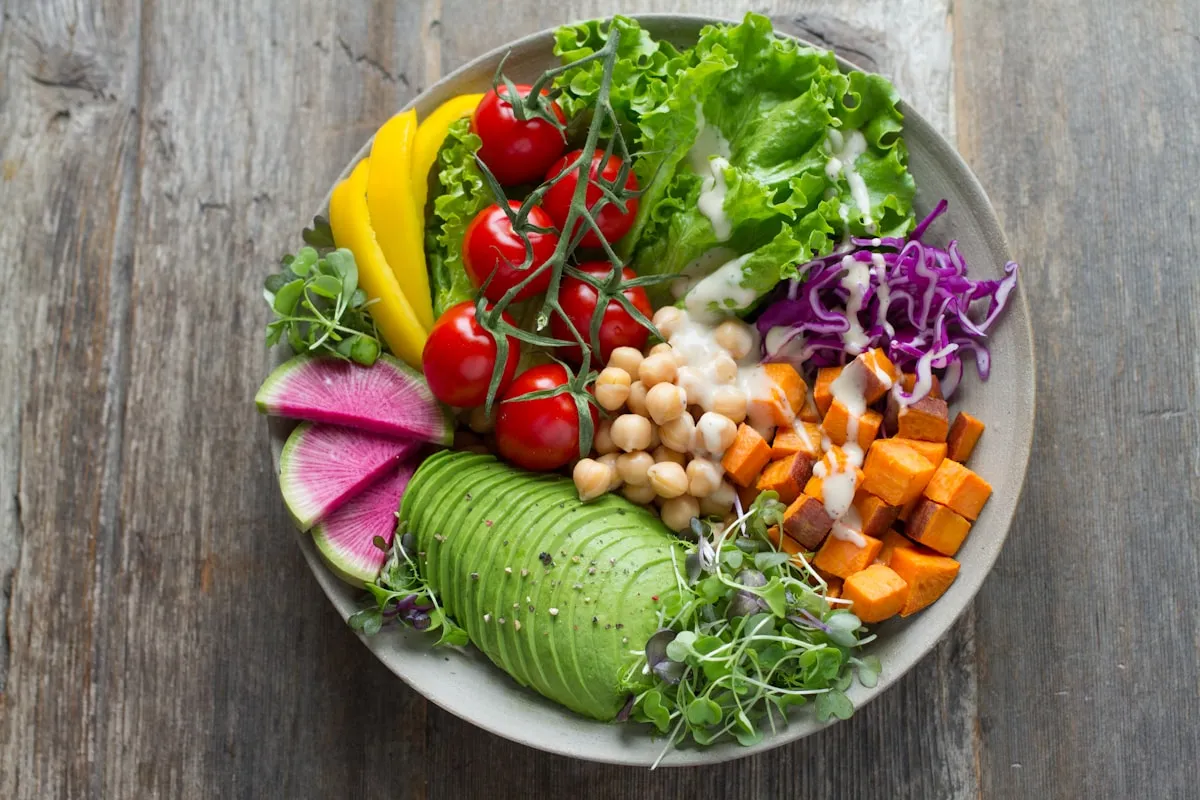
Next, consider the filling's "thermal mass." If you use cold, leftover grains, the oven has to work overtime just to get the middle of the pepper hot. Always heat your filling in a skillet first. By the time you’re ready to stuff, the filling should be steaming. At this point, the oven's only job is "the finish", melting your toppings and getting that final, slight char on the pepper's skin.
Avoid "wet" fillings. If your mixture is soupy, the steam will prevent the pepper from roasting and instead turn it into a soggy mess. Simmer your sauce until it’s thick enough to hold its shape on a spoon. This ensures that every bite is concentrated and flavorful, rather than diluted by excess water. Use high heat (around 425°F or 220°C) for the final bake. This creates a beautiful contrast between the tender-crisp pepper and the savory, roasted top.
Flavor Profiles and Texture Plays
When you're working with plant-based ingredients, texture is your best friend. A common mistake is making a filling that is entirely soft. Think about balance. If you're using a base of quinoa or couscous, add something with a "snap," like roasted pepitas or finely chopped walnuts. These little additions provide a satisfying mouthfeel that mimics the complexity of more traditional meat-based versions.
Acidity is another non-negotiable. Because bell peppers become quite sweet when roasted, you need a sharp contrast to keep the dish from feeling one-dimensional. A squeeze of fresh lime juice in a Mexican-style black bean filling, or a splash of balsamic vinegar in an Italian lentil version, will brighten the entire plate. Don't be afraid of "umami" bombs, either. A spoonful of nutritional yeast or a dash of tamari in your skillet can provide that deep, savory "soul" that makes a meal feel complete.
For a Mediterranean twist, lean into the saltiness of olives and capers. If you want something smoky, use smoked paprika or chipotle in adobo. The beauty of the 15-minute framework is that the filling is where you get to be an artist. As long as the base is pre-cooked and hot, you can swap ingredients based on what’s lingering in your pantry.
Perfect Pairings for a Balanced Plate
Stuffed peppers are quite hearty, so you want side dishes that offer a fresh, light contrast. Avoid heavy starches; you already have grains inside the pepper. Instead, look toward vibrant greens and sharp vinaigrettes. A simple arugula salad with a lemon-tahini dressing is perfect, the bitterness of the greens cuts right through the richness of the stuffed pepper.
If you're feeling a bit more adventurous, try a quick cucumber and radish slaw. The crunch of the raw vegetables provides a great counterpoint to the soft, roasted texture of the main dish. If you're aiming for a cohesive quick family meals experience, even a simple bowl of chilled melon or a light citrus salad can act as a palate cleanser. The goal is to keep the "vibe" of the meal light and accessible.
Troubleshooting Your Stuffed Peppers (FAQ)
Why are my peppers still crunchy after baking?
This happens when the pectin in the pepper walls hasn't reached its breaking point. If you skipped the par-cooking step, the pepper simply didn't have enough time to soften. Next time, use the microwave for 4 minutes or the air fryer for 6 minutes before stuffing. Also, ensure you aren't using "jumbo" peppers; smaller, medium-sized peppers cook through much faster.
How do I prevent a puddle of water at the bottom of the dish?
Bell peppers release water as they cook. To avoid the dreaded "pepper puddle," make sure your filling is relatively dry. If you're using canned beans or corn, drain and pat them dry. Furthermore, don't cover the dish with foil for the entire baking time; leaving it uncovered allows excess moisture to evaporate rather than trapping it inside.
Can I prepare these in advance?
Absolutely. You can prep the shells and the filling separately and keep them in the fridge. However, don't stuff them until you're ready to cook. If a stuffed pepper sits in the fridge, the moisture from the filling will migrate into the pepper, making it soggy before it even hits the oven. For the best results, reheat the filling on the stove before stuffing and baking.
Can I freeze stuffed peppers?
You can, but I don't recommend it if you value texture. Freezing breaks down the cellular structure of the bell pepper, often leaving it mushy upon thawing. If you must freeze them, do so after they are fully cooked. Reheat them from frozen in the oven or air fryer to help evaporate any ice crystals that formed during the freezing process.
Is the air fryer really better than the oven?
For this specific dish, yes. The air fryer is essentially a high-powered convection oven. It circulates hot air much more efficiently, which helps "blister" the skin of the pepper and melt the topping in record time. If you're exploring air fryer recipes dinner, this is a perfect entry point. Just be careful not to overfill, as the fan can sometimes blow lighter toppings around.
My filling is bland: how do I fix it?
Salt and acid are usually the culprits. Most people under-season their grains. Add a pinch more salt than you think you need, and always finish with a squeeze of lemon or lime. If it still feels "flat," add a pinch of red pepper flakes or a teaspoon of Dijon mustard to the mix while it’s in the skillet.
Cooking doesn't have to be a chore, even on your busiest days. By mastering these small technical shifts, you can turn a basic bell pepper into a soulful masterpiece in the time it takes to watch a segment of the evening news. Check out more healthy dinner ideas on our blog for more ways to hack your kitchen time!
{“@type”:”BlogPosting”,”image”:”https://cdn.marblism.com/7y673fVt1Xd.webp”,”author”:{“name”:”Cookpedia”,”@type”:”Organization”},”@context”:”https://schema.org”,”headline”:”15-Minute Plant-Based Stuffed Bell Peppers: Minimalist & Soulful”,”publisher”:{“logo”:{“url”:”https://cookpedia.com/logo.png”,”@type”:”ImageObject”},”name”:”Cookpedia”,”@type”:”Organization”},”mainEntity”:{“@type”:”FAQPage”,”mainEntity”:[{“name”:”Why are my peppers still crunchy after baking?”,”@type”:”Question”,”acceptedAnswer”:{“text”:”This happens when the pectin in the pepper walls hasn’t reached its breaking point. Use the par-cooking method (microwave or air fryer) before stuffing to ensure they are tender.”,”@type”:”Answer”}},{“name”:”How do I prevent a puddle of water at the bottom of the dish?”,”@type”:”Question”,”acceptedAnswer”:{“text”:”Ensure your filling is dry and you’ve drained all canned ingredients. Bake uncovered to allow excess moisture to evaporate.”,”@type”:”Answer”}},{“name”:”Can I freeze stuffed peppers?”,”@type”:”Question”,”acceptedAnswer”:{“text”:”Yes, but they may become mushy. For best results, freeze them after they are fully cooked and reheat in an air fryer or oven.”,”@type”:”Answer”}}]},”description”:”Learn the science and techniques behind making plant-based stuffed bell peppers in just 15 minutes. Perfect for quick family meals and healthy dinner ideas.”,”datePublished”:”2026-06-19″}