Recipe
Servings
Servings 1×
Ingredients
- Tofu
- Rice
- Fresh ginger
- Lime
- Honey
- Cooking oil
- Soy sauce or tamari
- Sesame
- Chili seasoning
Method
- Use a clean kitchen towel or a stack of paper towels and press that block like you’re trying to extract a secret from it.
- Use a high-smoke-point oil and get that pan shimmering before the tofu ever touches it.
- Keep the heat medium-high and leave the cubes alone.
- Let them sit for at least three minutes per side to develop a proper crust.
- Use fresh ginger; the powdered stuff is a shadow of its former self and won't give you that sharp, zesty kick that cuts through the richness of the fried tofu.
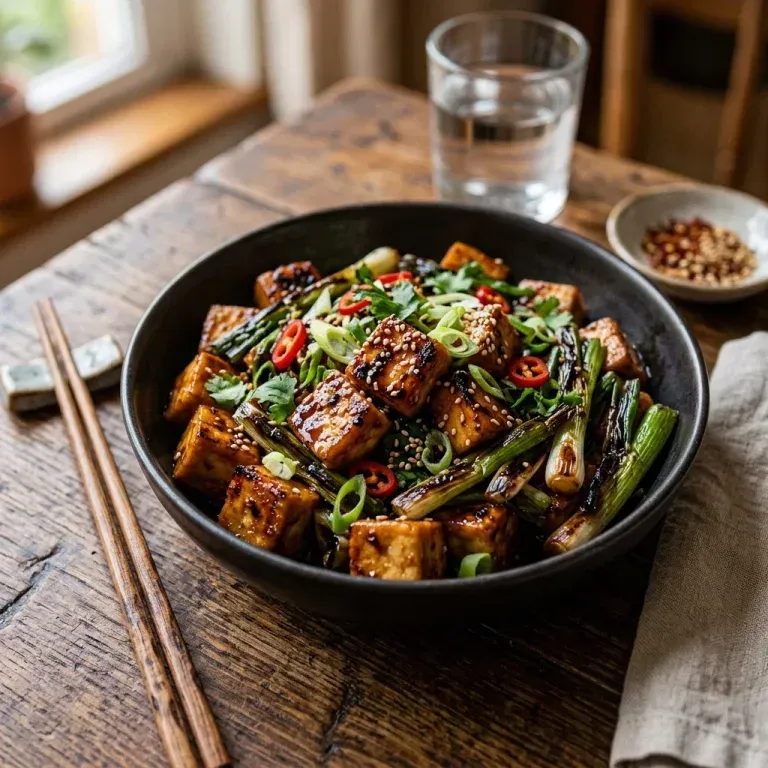
If you’re anything like me, your 6:00 PM mood is a delicate balance between "I want a gourmet meal" and "I might actually eat the wallpaper if food isn't ready in ten minutes." This 15-minute sesame ginger tofu is my go-to panic button. It’s punchy, it’s crunchy, and it makes you look like you’ve actually got your life together. When it comes to quick family meals, this recipe is a absolute heavy hitter because it delivers deep, restaurant-quality flavor without requiring you to stand over a stove for an hour.
The Science of the Perfect Crunch
Let’s talk tofu physics. Tofu is essentially a protein-packed sponge. If you want it to be crispy, you have to treat water like it’s your mortal enemy. Most people fail at tofu because they skip the drying phase. Use a clean kitchen towel or a stack of paper towels and press that block like you’re trying to extract a secret from it. Removing surface moisture is non-negotiable; if the surface is wet, the tofu will steam in the pan instead of searing. Steaming gives you "sad, rubbery cubes," and we don’t do sad food here.
Once you’ve squeezed out the excess liquid, you need a protective barrier. Use cornstarch. When cornstarch hits a hot, oiled pan, it undergoes a process of dehydration and gelatinization that creates a micro-thin, glass-like shell. This is the secret to that "shatter-crisp" texture that holds up even after you’ve tossed it in a glossy sauce. Without the starch, you’re just frying soy curd; with it, you’re creating a vessel for flavor.
Temperature management is your next hurdle. Use a high-smoke-point oil and get that pan shimmering before the tofu ever touches it. You’re looking for the Maillard reaction: that glorious chemical dance between amino acids and reducing sugars that creates brown, savory crusts. If your pan is too cold, the starch will just soak up the oil and turn into a soggy paste. Keep the heat medium-high and leave the cubes alone. Stop fussing with them! Let them sit for at least three minutes per side to develop a proper crust. If they stick to the pan, they aren't ready to flip yet. Nature will release them when the crust is formed.
Finally, let's discuss the ginger-soy infusion. Ginger contains an enzyme called zingibain, which can actually help tenderize proteins, but in this 15-minute window, we’re mostly using it for its volatile aromatic oils. Use fresh ginger; the powdered stuff is a shadow of its former self and won't give you that sharp, zesty kick that cuts through the richness of the fried tofu. When you add the sauce to the pan at the very end, the residual heat will thicken the sugars in the soy sauce and ginger mix, creating a glaze that clings to that cornstarch crust you worked so hard to build.
Flavor Variations and Upgrades
While the ginger-soy-sesame trio is a classic, you can easily pivot this dish to suit your mood. If you’re leaning into healthy dinner ideas, try adding a tablespoon of rice vinegar or lime juice to the sauce. The acidity acts as a bright spotlight, highlighting the earthy notes of the tofu while preventing the soy sauce from feeling too heavy.
For those who crave heat, toss in a teaspoon of chili crisp or sriracha during the last 60 seconds of cooking. The fat in the chili oil will carry the capsaicin into every nook and cranny of the tofu’s crust. If you prefer a sweeter profile, a splash of maple syrup or honey will help the sauce caramelize even faster, giving you a "sticky" tofu vibe that kids usually go crazy for. You can also swap the tofu for tempeh if you want a nuttier, more fermented flavor profile, though you'll need to add a splash of water to the pan to ensure it doesn't dry out.
Side Dish Pairings for Perfect Balance
This tofu is a star, but every lead needs a good supporting cast. To keep this in the realm of quick family meals, I usually go with jasmine rice or quick-cooking rice noodles. The starch in the rice acts as a neutral base that soaks up any leftover ginger glaze.
If you want to keep things light, serve the tofu over a bed of garlicky bok choy or steamed broccoli. The bitterness of dark leafy greens provides a necessary counterpoint to the salty-sweet glaze. I’ve even been known to toss these crispy cubes into a cold noodle salad with plenty of shredded carrots and cucumbers. The contrast between the warm, crispy tofu and the cold, crunchy vegetables is a textural playground. If you're looking for more inspiration on quick bases, check out my guide on achieving the perfect glossy sauce for pasta: a different flavor profile, but the same time-saving logic applies!
Frequently Asked "What If" Questions
What if I only have firm tofu, not extra-firm?
Use it, but be prepared to spend an extra five minutes pressing it. Firm tofu has a higher water content, so if you don't press it aggressively, it will fall apart in the pan and turn into a "scramble" rather than cubes. If it's too soft, skip the cubes and just crumble it into the pan: it’ll still taste great, even if it doesn't look like a picture-perfect stir fry.
Can I make this in an air fryer?
Absolutely. In fact, if you're exploring air fryer recipes dinner options, this is a top-tier choice. Toss the starched cubes in a tiny bit of oil and air fry at 400°F (200°C) for about 10–12 minutes, shaking the basket halfway through. Then, toss them in the sauce in a separate bowl. This keeps the kitchen cleaner and uses less oil.
My sauce turned into a thick, gummy mess. What happened?
You likely let it reduce for too long or your heat was too high. The sugar and starch in the glaze can turn into "culinary glue" very quickly. If this happens, don't panic. Add a tablespoon of water or orange juice to the pan and stir vigorously. The liquid will re-emulsify the sauce and loosen it back up into a glossy glaze.
Why does my ginger taste bitter?
You might have burned it. Ginger and garlic have high sugar contents and can go from "fragrant" to "burnt charcoal" in seconds. Always add your aromatics toward the end of the frying process or whisk them into the liquid sauce before pouring it in. This protects them from the direct high heat of the pan surface.
Can I meal prep this?
You can, but the "crunch" factor has a shelf life. Tofu is a sponge, remember? Once it sits in the sauce for a few hours, it will absorb the moisture and soften. If you're meal prepping, store the crispy tofu and the sauce separately, then combine them in a hot pan right before you eat. Or, check out our air fryer sausage medley if you need something that holds up better in a lunchbox!
{“@type”:”BlogPosting”,”image”:”https://cdn.marblism.com/air-fryer-sesame-tofu-bowl.webp”,”author”:{“name”:”Cookpedia Chef”,”@type”:”Person”},”@context”:”https://schema.org”,”headline”:”15-Minute Sesame Ginger Tofu”,”publisher”:{“logo”:{“url”:”https://cookpedia.com/logo.png”,”@type”:”ImageObject”},”name”:”Cookpedia”,”@type”:”Organization”},”description”:”A quick and healthy 15-minute sesame ginger tofu recipe perfect for busy weeknights. Learn the science of crispy tofu and how to balance bold ginger and soy flavors.”,”datePublished”:”2026-06-01″}