Recipe
Servings
Servings 1×
Ingredients
- Cod
- Rice
- Bread
- Asparagus
- Spinach
- Lemon
- Butter
- Cooking oil
- Chili seasoning
- Black pepper
Method
- Prepare the ingredients described in the article and heat the cooking surface or oven as directed.
- Cook the main ingredients using the heat and timing guidance in the article.
- Finish with the seasonings and garnishes named in the article, then serve.
There is a specific kind of magic that happens when you stop trying so hard in the kitchen. We’ve all been there, juggling twelve ingredients for a “simple” weeknight meal while the sink fills with dishes and the hunger-induced irritability starts to set in. But then, there’s the minimalist approach. A few high-quality ingredients, a hot pan, and fifteen minutes are all it takes to transform a humble piece of white fish into a masterpiece. This Lemon Butter Cod is my love letter to those nights when you want something that feels like a warm hug but looks like a restaurant special.
The Science of the Perfect Sear
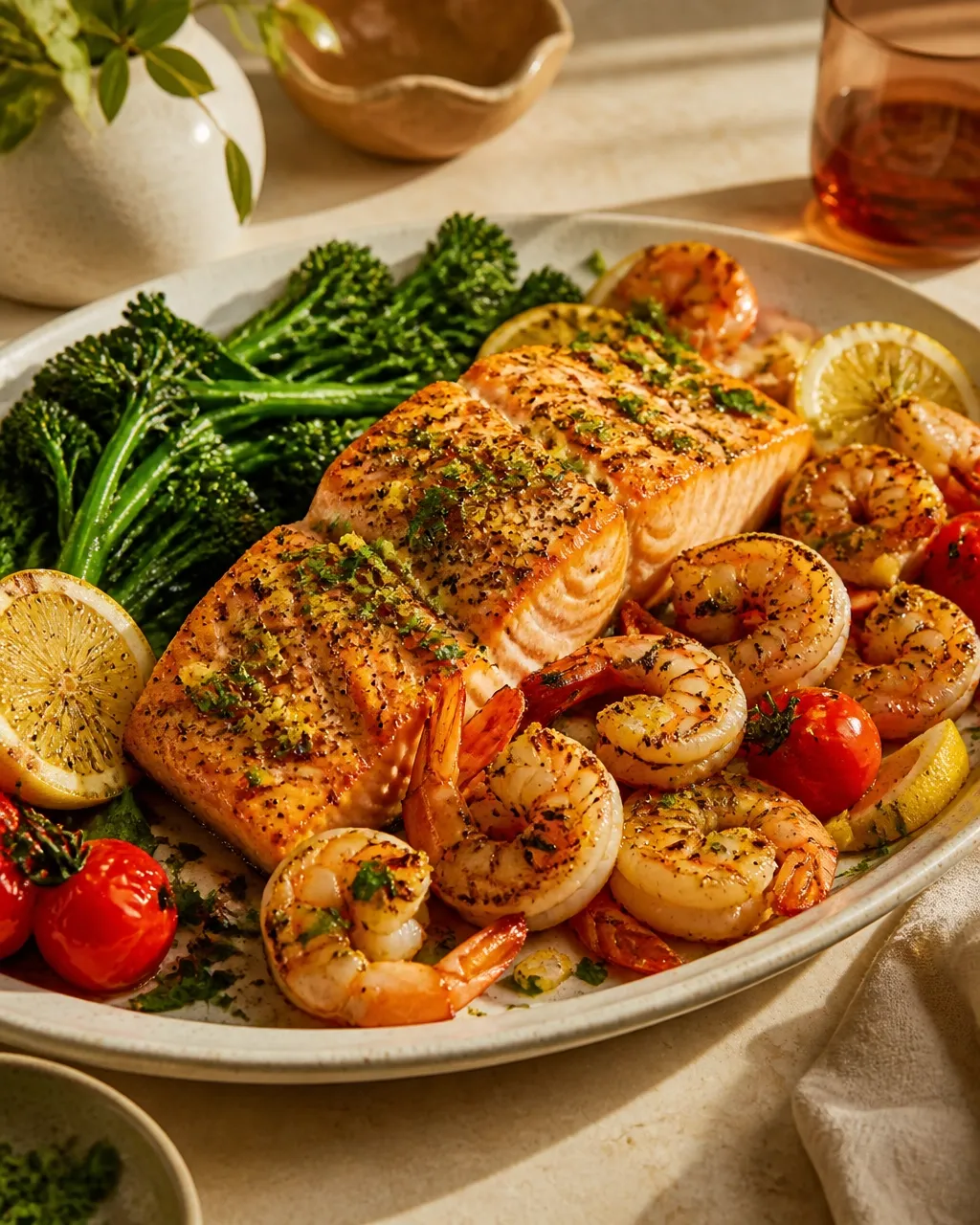
If you want to master 15 minute meals, you have to understand that moisture is your absolute nemesis. When you put a damp piece of fish into a pan, the heat immediately goes to work evaporating that water. Instead of searing, your fish is effectively steaming in its own puddle. To achieve that glorious, golden-brown crust, what scientists call the Maillard reaction, you must pat your cod fillets until they are bone-dry. Use paper towels and be aggressive about it.
The Maillard reaction is a chemical dance between amino acids and reducing sugars that occurs around 285°F (140°C). If there is water on the surface, the temperature won't rise above the boiling point (212°F) until that water is gone, meaning you’ll never get that crunch. Dry fish equals delicious fish.
Once your fish is dry, you need to respect the "natural release." When you drop that fillet into a hot, shimmering pan, the proteins will initially bond to the surface. It will feel like it’s stuck. Avoid the urge to poke it. As the crust forms and the proteins denature and tighten, the fish will naturally pull away from the pan. If you try to flip it too early, you’ll leave half the flavor stuck to the metal. Check the edges; when they look opaque and golden, and a thin spatula slides under with zero resistance, you’ve won.
Finally, let's talk about the butter. We aren't just melting it; we’re aiming for a hint of beurre noisette (brown butter). By adding the butter toward the end of the cooking process, the milk solids begin to toast, giving the sauce a nutty, complex depth that plain oil just can't touch. This is the secret to making healthy dinner ideas feel decadent without being heavy.
Flavor Variations to Suit Your Soul
While the classic lemon and butter duo is hard to beat, the minimalist framework allows for plenty of creative detours. If you’re feeling a bit more Mediterranean, toss a tablespoon of drained capers into the pan during the last minute of cooking. The brine provides a sharp, salty contrast to the richness of the butter.
For those who crave a bit of heat, a pinch of red chili flakes added to the butter as it foams will infuse the entire dish with a gentle, warming glow. If you have a stray bunch of herbs in the fridge, don't let them go to waste. Dill, chives, or even a bit of tarragon can completely shift the profile from bright and citrusy to earthy and sophisticated.
If you're looking for more easy dinner recipes that use these same principles, check out our Lazy Girl One-Pan Cacio e Pepe, which also leans heavily on the "minimal effort, maximum flavor" philosophy. The key is to keep the additions simple, one or two tweaks are plenty when you have a foundation this solid.
The Art of the Side Dish Pairing
When you have a dish as rich and buttery as this cod, your side dishes need to provide balance. Think of it as an edible see-saw. You have the fat (butter) and the acid (lemon), so you need something to soak up the sauce and something to provide a fresh, snappy texture.
A simple mound of fluffy white rice or a piece of crusty sourdough is non-negotiable for capturing every last drop of that liquid gold in the pan. For the vegetable component, go for something green and vibrant. Steamed asparagus, quick-sauteed spinach, or even a crisp arugula salad with a light vinaigrette works wonders. The bitterness of greens like arugula cuts through the butter, refreshing your palate between every bite. If you’re in the mood for something with a bit more "hearth" feel, our Air Fryer Sausage & Pepper Medley is a great example of how to use high heat to get quick, flavorful veggies on the table.
Frequently Asked Questions (The Science Edition)
What if my fish is frozen?
You can absolutely use frozen cod, but you must thaw it properly. The best way is overnight in the fridge. If you're in a rush, place the sealed fish in a bowl of cold water for about 20 minutes. Avoid using warm water, as this can start to "cook" the edges of the fish and promote bacterial growth. Once thawed, the "pat dry" rule becomes even more critical because frozen fish tends to release more moisture.
Why did my sauce separate or look greasy?
This usually happens because the heat was too high when you added the lemon juice and extra butter. A lemon butter sauce is a temporary emulsion. If the pan is screaming hot, the fat separates from the solids. Lower the heat before finishing the sauce. If it does break, add a tiny splash of water and whisk vigorously, the water helps re-bind the emulsion.
Can I use a different type of fish?
Yes, this technique works beautifully for any flaky white fish. Halibut, sea bass, or even tilapia are great substitutes. Just keep in mind that cooking times will vary based on thickness. A thick piece of halibut might need an extra minute or two, while a thin tilapia fillet will be done in the blink of an eye.
Is it okay to use salted butter?
It is, but you need to adjust your seasoning accordingly. I prefer using unsalted butter so I have total control over the salt levels. If you only have salted butter, skip the extra salt on the fish until the very end, then taste the sauce and see if it actually needs more.
How do I know for sure the fish is done?
Use the "flake test." Gently press the side of the fillet with a fork; if it easily separates into natural flakes and the center is opaque rather than translucent, you’re good to go. If you want to be precise, aim for an internal temperature of 145°F (63°C).
Does this work for healthy weeknight dinners?
Absolutely. Cod is a lean protein, and while we are using butter, a little goes a long way when it's emulsified into a sauce. You're getting high-quality fats and clean protein in a meal that takes less time than ordering takeout.
{“@type”:”BlogPosting”,”image”:”https://cdn.marblism.com/D22volVrZAS.webp”,”author”:{“name”:”Cookpedia”,”@type”:”Organization”},”@context”:”https://schema.org”,”headline”:”15-Minute Soulful Simple Lemon Butter Cod”,”publisher”:{“logo”:{“url”:”https://cdn.marblism.com/r31hCYxu5lk.webp”,”@type”:”ImageObject”},”name”:”Cookpedia”,”@type”:”Organization”},”description”:”A quick and soulful 15-minute lemon butter cod recipe focusing on the science of the perfect sear and simple, high-impact flavors.”,”datePublished”:”2026-06-19″}