Recipe
Servings
Servings 1×
Ingredients
- Chicken
- Tofu
- Chickpeas
- Pasta
- Noodles
- Rice
- Tortillas
- Broccoli
- Peas
- Lime
- Honey
- Peanut butter
- Butter
- Cooking oil
- Soy sauce or tamari
- Chili seasoning
Method
- Prepare the ingredients described in the article and heat the cooking surface or oven as directed.
- Cook the main ingredients using the heat and timing guidance in the article.
- Finish with the seasonings and garnishes named in the article, then serve.
Let’s be honest: by 6:00 PM, my brain is usually a pile of static. The last thing I want to do is navigate a twenty-step recipe that requires a trip to three different specialty stores. You feel me? That’s where these 15-minute spicy peanut noodles come in. They are my absolute "break glass in case of emergency" meal. It’s soulful, it’s comforting, and it hits that sweet-salty-spicy trifecta that makes your taste buds throw a little party. This is the ultimate of quick family meals when the fridge looks empty and your patience is thinner than a piece of angel hair pasta.
Master the Emulsion: The Science of Smooth
The secret to a sauce that actually clings to your noodles rather than pooling sadly at the bottom of the bowl is all about emulsification. You’re essentially playing matchmaker between fat (peanut butter and chili oil) and water (soy sauce, vinegar, and noodle water). If you just dump them all together and hope for the best, you’ll end up with a grainy, separated mess.
Use smooth peanut butter as your base. Natural varieties work great, but they can be temperamental because of their high oil content. When you start whisking in your liquids, the sauce might actually "seize" and look like curdled clay for a second. Don't panic. Keep whisking. As you slowly add hot liquid, the proteins in the peanut butter begin to wrap around the fat droplets, creating a stable, creamy network.
Always use your starchy noodle water to thin the sauce. This is a non-negotiable. The starch acts as a bridge, helping the sauce bond to the surface of the noodles. Avoid using plain tap water; it lacks the "glue" factor that makes this dish feel like a restaurant-quality healthy dinner ideas staple. Check the consistency by lifting your whisk; the sauce should fall in a thick, glossy ribbon that holds its shape for a split second before disappearing back into the bowl.
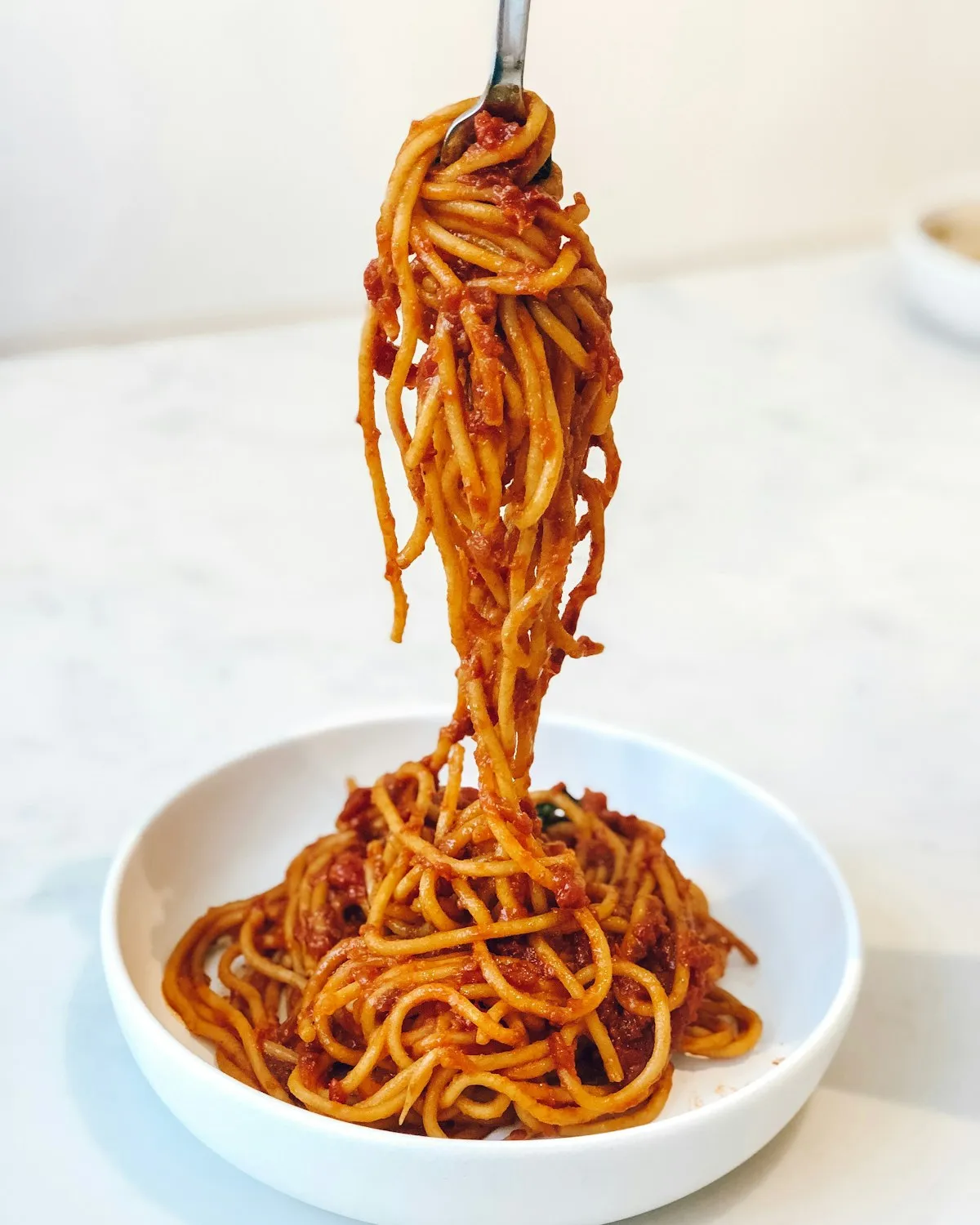
Balance your flavors with precision. If the sauce feels too heavy or cloying, increase the acidity. A splash of rice vinegar or a squeeze of fresh lime cuts through the richness of the legumes like a hot knife through butter. Conversely, if it’s too sharp, a tiny pinch of brown sugar or a touch of honey will round out the edges. Remember, the noodles will dilute the flavor slightly, so make the sauce a little bolder than you think it needs to be.
Minimalist Variations: Make It Your Own
The beauty of this minimalist approach is that the noodles are a blank canvas. While I love a thick wheat noodle for that chewy, soulful bite, you can easily swap them out for whatever you have in the pantry. If you're looking for something lighter, rice noodles work beautifully, though they won't grab the sauce quite as aggressively as their wheat cousins.
For a protein boost, I often reach for tofu. Our tofu stir-fry bowl is a great example of how a few caramelized scallions and some crispy tofu can elevate a simple base. If you’re truly short on time, leftover rotisserie chicken is your best friend. Just shred it and toss it in at the very end so it warms through in the residual heat of the noodles.
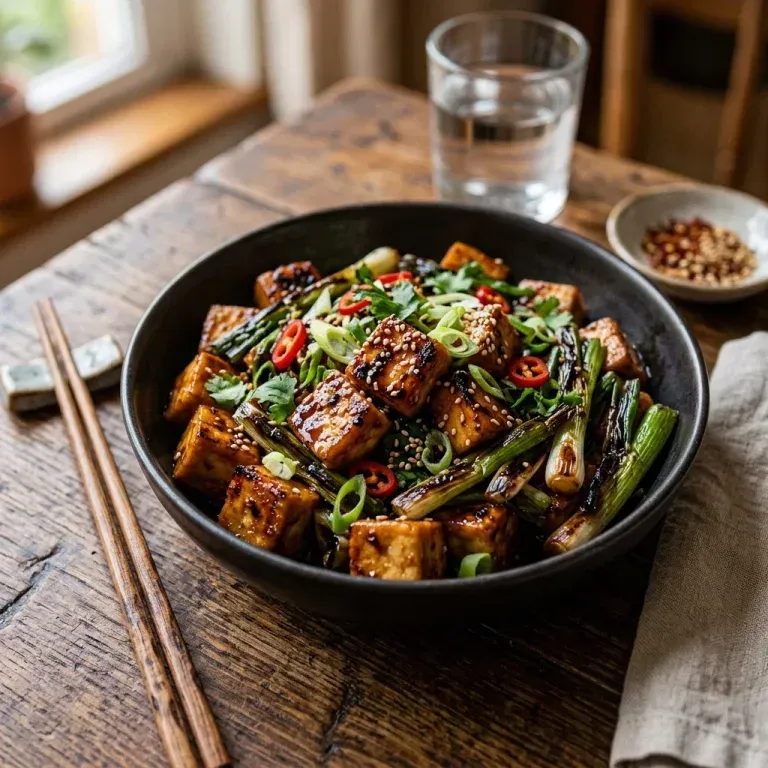
If you're leaning into the air fryer recipes dinner trend, try air-frying some broccoli or snap peas for 6 minutes while your noodles boil. The charred, crispy edges of the vegetables provide a fantastic textural contrast to the silky noodles. You can even toss some chickpeas in there with a dash of smoked paprika for a crunchy, plant-based topping that feels way more sophisticated than it actually is.
Side Dish Pairings: Creating Balance
Because peanut sauce is undeniably rich, your side dishes should focus on crunch and acidity. You want something that resets the palate between bites of savory, nutty goodness.
A smashed cucumber salad is the undisputed champion here. By smashing the cucumbers, you create craggy surfaces that soak up a simple dressing of rice vinegar, sesame oil, and a pinch of salt. It’s cold, crisp, and incredibly refreshing. Alternatively, a quick slaw of shredded red cabbage and carrots with a lime-ginger dressing adds a vibrant pop of color and a satisfying "crunch" factor.
If you want something warm, a quick plate of steamed bok choy with a drizzle of sesame oil is a great companion. It keeps the meal focused on real food and minimalist prep. If you enjoyed our viral garlic butter ramen, you’ll know that sometimes the simplest sides: like a handful of blanched greens: are all you need to make a 15-minute meal feel like a complete feast.
Troubleshooting Your Noodles (FAQ)
What if my sauce is too thick and won't toss?
This usually happens because the peanut butter is too cold or you didn't use enough noodle water. Add more hot noodle water, one tablespoon at a time, and toss vigorously. The heat and starch will loosen the sauce instantly. Avoid adding cold water, as it can make the fat in the peanut butter seize up again.
Can I make this gluten-free?
Absolutely. Swap the wheat noodles for wide rice noodles or even sweet potato glass noodles. Replace the soy sauce with tamari or liquid aminos. The science of the emulsion remains exactly the same, so you won't lose that signature creaminess.
How do I store leftovers?
Peanut sauce has a habit of thickening significantly in the fridge. If you have leftovers, store them in an airtight container. When you're ready to eat, add a splash of warm water before microwaving or reheating in a pan. This will "reactivate" the emulsion and bring back that glossy texture.
Why did my sauce turn out oily?
If you see oil pooling on top, the emulsion has broken. This typically happens if you add the chili oil or sesame oil too early or too quickly before the peanut butter and water have bonded. To fix it, whisk in another teaspoon of peanut butter and a splash of boiling water; the extra emulsifiers in the peanut butter should help pull the oil back into the fold.
Is this dish healthy?
When you focus on healthy dinner ideas, balance is key. This dish provides healthy fats from the peanuts and complex carbs from the noodles (especially if you choose whole grain). To keep it light, load up on the vegetable additions like spinach, peppers, or that smashed cucumber side.
Can I use crunchy peanut butter?
You sure can! It adds a great texture, though the sauce won't be as perfectly smooth. If you use crunchy, skip the extra crushed peanut garnish at the end so you don't overdo the "nubbly" factor.
What if I don't have chili oil?
Use Sriracha, sambal oelek, or even just a pinch of red pepper flakes bloomed in a little neutral oil. The goal is to provide a back-of-the-throat heat that cuts through the sugar and fat of the peanuts.
{“@type”:”FAQPage”,”@context”:”https://schema.org”,”mainEntity”:[{“name”:”What if my sauce is too thick and won’t toss?”,”@type”:”Question”,”acceptedAnswer”:{“text”:”Add more hot noodle water, one tablespoon at a time, and toss vigorously. The heat and starch will loosen the sauce instantly. Avoid adding cold water, as it can make the fat in the peanut butter seize.”,”@type”:”Answer”}},{“name”:”Can I make these spicy peanut noodles gluten-free?”,”@type”:”Question”,”acceptedAnswer”:{“text”:”Yes. Swap wheat noodles for rice noodles or sweet potato glass noodles, and use tamari or liquid aminos instead of soy sauce.”,”@type”:”Answer”}},{“name”:”How do I store and reheat leftover peanut noodles?”,”@type”:”Question”,”acceptedAnswer”:{“text”:”Store in an airtight container in the fridge. To reheat, add a splash of warm water to loosen the sauce and reactivate the emulsion before heating.”,”@type”:”Answer”}},{“name”:”Why is my peanut sauce oily or separated?”,”@type”:”Question”,”acceptedAnswer”:{“text”:”The emulsion has broken. This happens if oil is added too quickly. To fix it, whisk in a teaspoon of peanut butter and a splash of boiling water to re-emulsify the mixture.”,”@type”:”Answer”}}]}