Recipe
Servings
Servings 1×
Ingredients
- Bread
- Cauliflower
- Broccoli
- Cucumber
- Tomatoes
- Onion
- Garlic
- Lemon
- Tahini
- Pesto
- Cream
- Hard cheese
- Feta
- Cooking oil
- Salt
- Black pepper
Method
- Prepare the ingredients described in the article and heat the cooking surface or oven as directed.
- Cook the main ingredients using the heat and timing guidance in the article.
- Finish with the seasonings and garnishes named in the article, then serve.
You know those evenings when the clock is ticking, your stomach is growling, and the thought of a complex recipe makes you want to order takeout? I’ve been there more times than I care to admit. But here is the secret: you don't need an hour to create something that tastes like a Mediterranean vacation. This 15-minute sundried tomato and pesto flatbread is my go-to for quick family meals that feel intentional, soulful, and remarkably sophisticated without the sweat. It’s the ultimate minimalist win.
The Science of the Perfect Crunch
If you’ve ever bitten into a soggy flatbread, you know the heartbreak. To avoid that "wet cardboard" texture, you have to respect the science of moisture and heat. Most store-bought flatbreads are essentially a network of gelatinized starch and gluten. When they sit in a bag, they retain moisture to stay soft. Your mission is to drive that moisture out and lock in a brittle, shatter-crisp structure.
Start by preheating your baking surface. Whether you’re using a pizza stone or a heavy-duty baking sheet, let it get screaming hot before the bread ever touches it. This creates an immediate blast of conduction heat that puffs the dough and begins the browning process instantly. If you are exploring air fryer recipes dinner style, the convection fan does a brilliant job of circulating dry air, but the principle remains the same: high heat is your best friend.
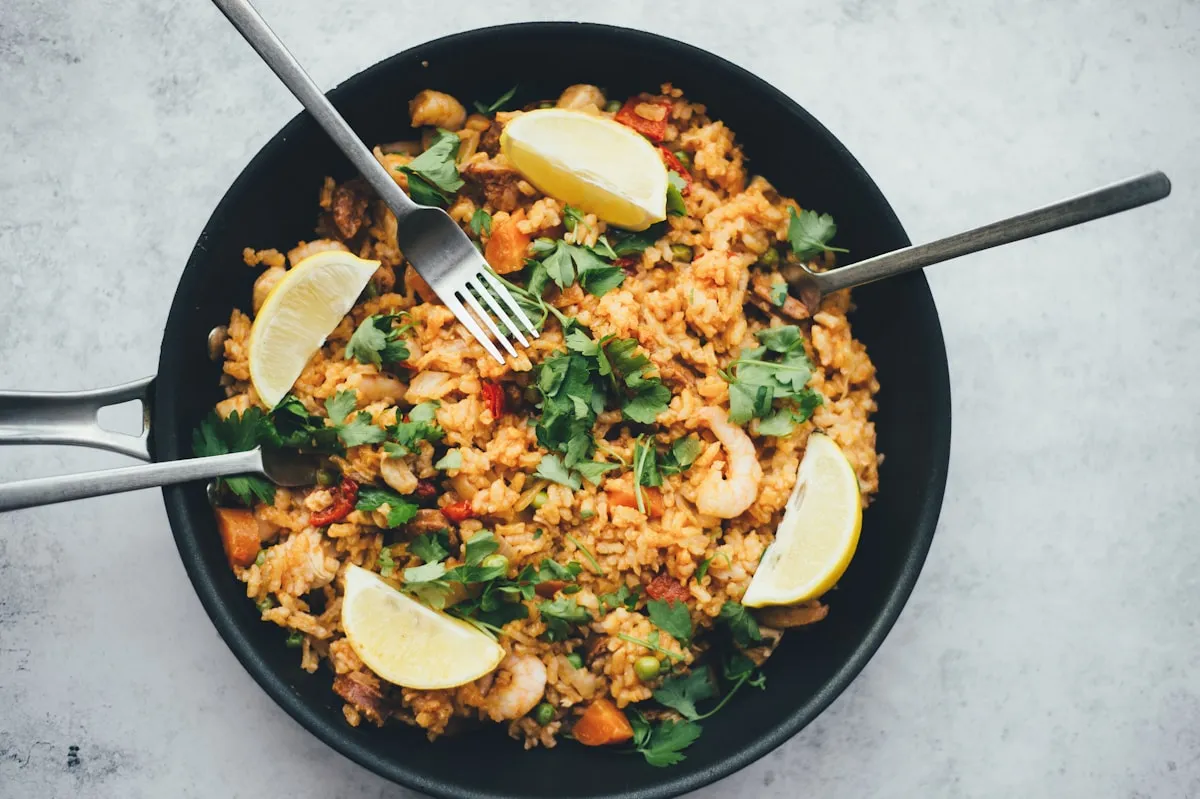
Don't just slap the pesto on a cold crust. I always recommend "docking" the dough: pricking it with a fork: to prevent giant steam bubbles from lifting your toppings into a mountain range. Pre-bake the naked flatbread for three minutes. This "sets" the crust so that the oils from the sundried tomato pesto don't seep in and turn the bread mushy.
The magic happens through the Maillard reaction. This is the chemical dance between amino acids and sugars that occurs around 285°F (140°C). By using a sundried tomato base, you are doubling down on this. Sundried tomatoes are packed with concentrated glutamates (the source of umami) and natural sugars. When these hit the heat, they caramelize and deepen into a savory-sweet profile that a fresh tomato simply can't match in fifteen minutes. Check the edges of your crust; you’re looking for a deep mahogany brown, not a pale tan. That color is where the flavor lives.
Flavor Geometry: Variations and Swaps
The beauty of a minimalist kitchen is that a few high-quality swaps can change the entire soul of the dish. While the classic sundried tomato and pesto combo is a powerhouse, you can tilt the balance depending on what’s in your pantry.
If you want a sharper, more aggressive profile, swap the traditional basil pesto for a wild garlic or arugula-based version. The peppery notes of arugula provide a beautiful "bite" that cuts through the richness of the oil-packed tomatoes. For those looking for healthy dinner ideas that fit a plant-based lifestyle, skip the mozzarella and use a dollop of cashew cream or a sprinkle of nutritional yeast after baking. The yeast mimics the nutty, aged profile of Parmesan without the dairy.
For a keto-friendly twist, look for cauliflower-based flatbreads. Just be warned: these have a much higher moisture content. You’ll need to extend that pre-baking phase to ensure the structure can actually support the weight of the pesto. If you're feeling adventurous, add a handful of pine nuts or slivered almonds halfway through the bake. The fats in the nuts will toast rapidly, adding a textural contrast to the chewy sundried tomatoes. Just keep an eye on them; pine nuts go from "toasty" to "charcoal" in about thirty seconds.
Balancing the Plate: Side Dish Pairings
Because this flatbread is rich, fatty, and deeply savory, your side dish needs to do the heavy lifting of providing acidity and freshness. A heavy cream-based soup would be overkill here. Instead, think about "cutting" the richness.
A simple arugula salad with a lemon-tahini dressing is the gold standard. The citric acid from the lemon resets your palate between bites of the umami-rich flatbread. You could also go for a quick cucumber and red onion salad soaked in red wine vinegar. The crunch of the raw vegetables provides a necessary break from the cooked textures of the meal.
If you're serving this as part of a larger spread of quick family meals, consider a side of roasted broccolini with a heavy squeeze of lemon and some red pepper flakes. The bitterness of the charred brassica complements the sweetness of the sundried tomatoes perfectly. For more inspiration on quick sides, check out our guide on 15-minute meals to keep your kitchen flow seamless.
Troubleshooting Your Flatbread: The FAQ
What if my flatbread is still soft in the middle?
This usually happens because the topping layer was too thick or the oven wasn't hot enough. Pesto is essentially an emulsion of oil and solids; if you pile it on, the oil acts as an insulator, preventing the heat from reaching the dough beneath. Next time, use a thinner layer of pesto and ensure your baking sheet is preheated for at least 10 minutes.
Can I use fresh tomatoes instead?
You can, but it won't be the same "15-minute" experience. Fresh tomatoes are roughly 95% water. In a short bake, they release that water, which will almost certainly result in a soggy crust. Sundried tomatoes have already had that water removed, concentrating the flavor and keeping your bread crisp. If you must use fresh, slice them paper-thin and salt them beforehand to draw out excess moisture.
Why did my cheese release so much oil?
If you’re using high-moisture fresh mozzarella (the kind that comes in water), it will release a lot of liquid as it melts. For a 15-minute flatbread, I recommend a low-moisture part-skim mozzarella or even a firm feta. These provide the creamy element without the "oil slick" effect.
How do I get that "charred" look without a pizza oven?
Move your oven rack to the highest position and turn on the broiler for the last 60 seconds of cooking. This intense top-down heat mimics a wood-fired oven and will blister the cheese and caramelize the edges of the sundried tomatoes beautifully. Just don't walk away: the broiler waits for no one.
Is this a good option for meal prep?
Flatbread is best eaten fresh while the starch network is still brittle. If you must prep ahead, store the components separately. A reheated flatbread is never quite as good as the original, but if you do reheat, use an air fryer or a dry skillet rather than a microwave to revive that crunch.
For more hands-off cooking tips that save your weeknights, take a look at our air fryer sausage and pepper medley: another hero in the world of high-impact, low-effort cooking.
{“@type”:”BlogPosting”,”image”:”https://cdn.marblism.com/rE_TSdW8Xmq.webp”,”author”:{“name”:”Penny”,”@type”:”Person”},”@context”:”https://schema.org”,”headline”:”15-Minute Sundried Tomato and Pesto Flatbread: Minimalist & Soulful”,”keywords”:”air fryer recipes dinner, quick family meals, healthy dinner ideas, flatbread recipe, sundried tomato pesto”,”publisher”:{“logo”:{“url”:”https://cookpedia.com/logo.png”,”@type”:”ImageObject”},”name”:”Cookpedia”,”@type”:”Organization”},”description”:”Discover the science of the perfect 15-minute sundried tomato and pesto flatbread. Learn techniques for a crispy crust and flavor-balanced pairings for a quick, healthy dinner.”,”datePublished”:”2026-06-19″,”articleSection”:”Recipes”,”mainEntityOfPage”:{“@id”:”https://cookpedia.com/15-minute-sundried-tomato-pesto-flatbread”,”@type”:”WebPage”}}