Recipe
Servings
Servings 1×
Ingredients
- Chicken
- Shrimp
- Tofu
- Rice
- Cauliflower
- Broccoli
- Peas
- Garlic
- Fresh ginger
- Lime
- Honey
- Coconut milk
- Cooking oil
- Sesame
- Chili seasoning
- Black pepper
Method
- Let’s be real: on a Tuesday night at 6:30 PM, the last thing you want is a kitchen project that feels like a chemistry final.
- Pat your shrimp bone-dry before they hit the pan.
- Use a heavy skillet and high heat to ensure they spend as little time as possible in the pan: usually just two minutes per side.
- Keep the heat high and the time short.
- Cook them for under 2 minutes and add acids like lime juice at the very end.”,”@type”:”Answer”}},{“name”:”My shrimp is rubbery; what happened?”,”@type”:”Question”,”acceptedAnswer”:{“text”:”Rubbery shrimp is a sign of overcooking.
Let’s be real: on a Tuesday night at 6:30 PM, the last thing you want is a kitchen project that feels like a chemistry final. You want flavor, you want it fast, and you want to feel like a culinary genius without the sweat. Enter my 15-Minute Teriyaki Shrimp with Snow Peas. This is one of those quick family meals that hits that sweet spot between "I'm a gourmet chef" and "I just threw this together in ten minutes." It’s snappy, glossy, and packs a punch that’ll make you forget you were ever considering takeout.
The Science of the Snap: Searing and Cell Walls
Getting that restaurant-quality finish isn't magic; it’s physics. To master this dish, you need to understand two things: the Maillard reaction and turgor pressure. If you've ever ended up with rubbery shrimp or sad, limp snow peas, it’s likely because you ignored these fundamental kitchen laws.
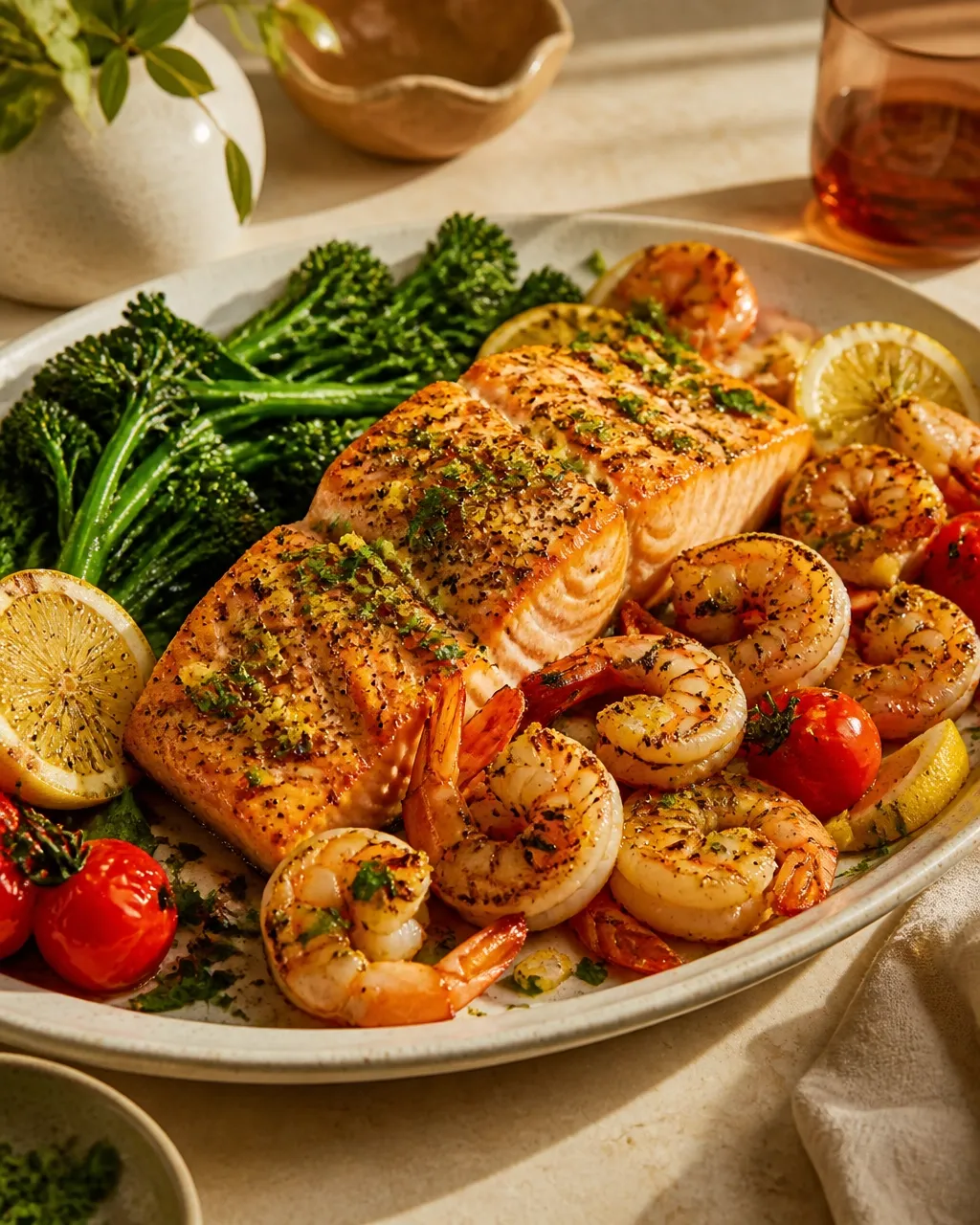
First, let’s talk about the shrimp. Shrimp are basically little bundles of protein and water. When you hit them with high heat, those proteins denature and tighten up. Do it right, and you get a juicy, "snappy" bite. Do it too long, and those proteins squeeze out all the moisture like a wrung-out sponge, leaving you with something resembling a pencil eraser. Pat your shrimp bone-dry before they hit the pan. Water is the enemy of the sear. If they’re damp, they’ll steam instead of searing, and you’ll miss out on that beautiful golden crust. Use a heavy skillet and high heat to ensure they spend as little time as possible in the pan: usually just two minutes per side. Watch for the "C" shape; if they curl into a tight "O," you’ve gone too far.
Next, respect the snow pea. The "snap" in a snow pea comes from the water pressure inside its cells, known as turgor. When you cook them, the heat starts to break down the cell walls and the pectin holding them together. Your goal is to heat them just enough to remove the raw "grassiness" while keeping that structural integrity intact. This usually takes about 60 to 90 seconds. Any longer and the chlorophyll: the stuff that makes them bright green: will break down, turning your vibrant dinner into a dull olive-drab mess. Keep the heat high and the time short.
Finally, let's talk about the glaze. A proper teriyaki isn't just "salty syrup." It’s an emulsion of soy, sugar, and aromatics. If you're looking for more healthy dinner ideas, making your own glaze is a game-changer because you control the sugar content. The glossiness comes from the reduction of sugars or the addition of a tiny bit of starch. When that sauce hits the hot pan after the shrimp are done, it deglazes the surface, picking up all those browned bits (the fond) left behind by the shrimp. This is where the deep, complex flavor lives. Don't let those bits go to waste!
Tweak the Balance: Flavor Variations
Cooking is a conversation, and you should definitely talk back to the recipe. If you like a bit of heat, toss in some crushed red pepper flakes or a spoonful of chili garlic sauce while the garlic is fragrant. The capsaicin in the peppers provides a sharp contrast to the sweetness of the mirin and honey in the glaze.
For those who want to swap the protein, scallops or thinly sliced chicken breast work beautifully, though they require slightly different timing. Scallops need a harder sear, while chicken needs a few extra minutes to ensure it's cooked through. If you’re leaning into plant-based territory, extra-firm tofu that’s been pressed and cubed is a fantastic vehicle for the teriyaki.
If you’re looking to bulk up the vegetable count for more healthy dinner ideas, don’t stop at snow peas. Red bell peppers add a beautiful crunch and a pop of color, while sliced water chestnuts provide a unique, starchy texture that stays crisp even after being tossed in the sauce. Just remember the rule of thumb: cook the hard vegetables first and the delicate ones last.
The Supporting Cast: Side Dish Pairings
While this shrimp dish is the star, every lead needs a good supporting cast to balance out the plate. I usually lean toward a simple bed of jasmine rice. The grains act like a sponge, soaking up every last drop of that glossy teriyaki glaze. If you want something a bit more interesting, try coconut rice: the subtle sweetness of the coconut milk complements the savory soy perfectly.
For a low-carb alternative, cauliflower rice is your best friend. Sauté it quickly with a little sesame oil and ginger to keep it on-theme. If you’re a fan of air fryer recipes dinner enthusiasts often rave about, you can actually use your air fryer to roast some broccoli or baby bok choy while you’re searing the shrimp on the stove. The charred edges from the air fryer add a smoky depth that pairs incredibly well with the sweet and salty sauce.
If you're in the mood for something different, check out our Spicy Tomato Basil One-Pot Linguine for another take on achieving that perfect sauce consistency. Or, if you want more ideas for your countertop appliances, look at our Kielbasa and Pierogi Air Fryer Roast: it's a great example of how air fryer recipes dinner can save you on a busy night.
Troubleshooting Your 15-Minute Feast (FAQ)
What if my sauce won't thicken?
This is usually a temperature issue. Most teriyaki glazes rely on either a reduction (evaporating water) or a starch slurry (gelatinization). If your sauce is too thin, turn up the heat! A vigorous simmer for 60 seconds will often do the trick. If you’re using a cornstarch slurry, remember that it only thickens once it reaches a near-boil. Don't just keep adding starch; give it a second to "activate" first.
Why did my snow peas turn brown?
Acid and time are the enemies of green. If you added lime juice or vinegar too early, or if you left the peas in the pan for five minutes, the chlorophyll has likely oxidized. To keep them bright, add any acidic components at the very end and ensure your peas are the last thing to hit the heat.
Can I use frozen shrimp?
Absolutely. Just make sure they are completely thawed and: I cannot stress this enough: patted dry. If you throw frozen or wet shrimp into a pan, the temperature will drop instantly, and they’ll sit in a pool of gray water. That’s the opposite of a sear. Thaw them in a bowl of cold water for 15 minutes, then dry them like your dinner depends on it.
My shrimp is rubbery; what happened?
You overshot the runway. Shrimp cook incredibly fast. Once they turn pink and opaque, they are done. Carryover heat will finish the job once you take them off the stove. If you leave them in the pan while the sauce reduces, they’ll become tough. Always pull the shrimp out of the pan once they're seared, make your sauce, and then toss them back in at the very last second just to coat them.
Is this a good option for quick family meals?
It’s arguably the best. Because it cooks so fast, you aren't stuck over a stove while everyone else is relaxing. Plus, the sweet-savory flavor profile is usually a huge hit with kids. Just keep the chili flakes on the side if you have picky eaters!
{“@type”:”BlogPosting”,”image”:”https://cdn.marblism.com/5KpfqMCxdD8.webp”,”author”:{“name”:”Penny”,”@type”:”Person”},”@context”:”https://schema.org”,”headline”:”15-Minute Teriyaki Shrimp with Snow Peas”,”publisher”:{“logo”:{“url”:”https://cookpedia.com/logo.png”,”@type”:”ImageObject”},”name”:”Cookpedia”,”@type”:”Organization”},”mainEntity”:{“@type”:”FAQPage”,”mainEntity”:[{“name”:”What if my sauce won’t thicken?”,”@type”:”Question”,”acceptedAnswer”:{“text”:”The sauce requires high heat to either reduce or activate starch thickeners. Increase the heat to a vigorous simmer for 60 seconds.”,”@type”:”Answer”}},{“name”:”Why did my snow peas turn brown?”,”@type”:”Question”,”acceptedAnswer”:{“text”:”Overcooking or adding acid too early destroys chlorophyll. Cook them for under 2 minutes and add acids like lime juice at the very end.”,”@type”:”Answer”}},{“name”:”My shrimp is rubbery; what happened?”,”@type”:”Question”,”acceptedAnswer”:{“text”:”Rubbery shrimp is a sign of overcooking. Shrimp should be cooked only until they turn pink and form a ‘C’ shape, then removed from the pan immediately.”,”@type”:”Answer”}}]},”description”:”Learn the science behind perfectly seared shrimp and crisp snow peas in this fast, 15-minute teriyaki recipe. Perfect for busy weeknights and healthy family dinners.”,”datePublished”:”2026-05-28″,”mainEntityOfPage”:{“@id”:”https://cookpedia.com/15-minute-teriyaki-shrimp-snow-peas”,”@type”:”WebPage”}}