Recipe
Servings
Servings 1×
Ingredients
- Quinoa
- Noodles
- Rice
- Eggs
- Greens
- Apple
- Onion
- Garlic
- Fresh ginger
- Lemon
- Lime
- Butter
- Cooking oil
- Soy sauce or tamari
- Salt
- Black pepper
Method
- Prepare the ingredients described in the article and heat the cooking surface or oven as directed.
- Cook the main ingredients using the heat and timing guidance in the article.
- Finish with the seasonings and garnishes named in the article, then serve.
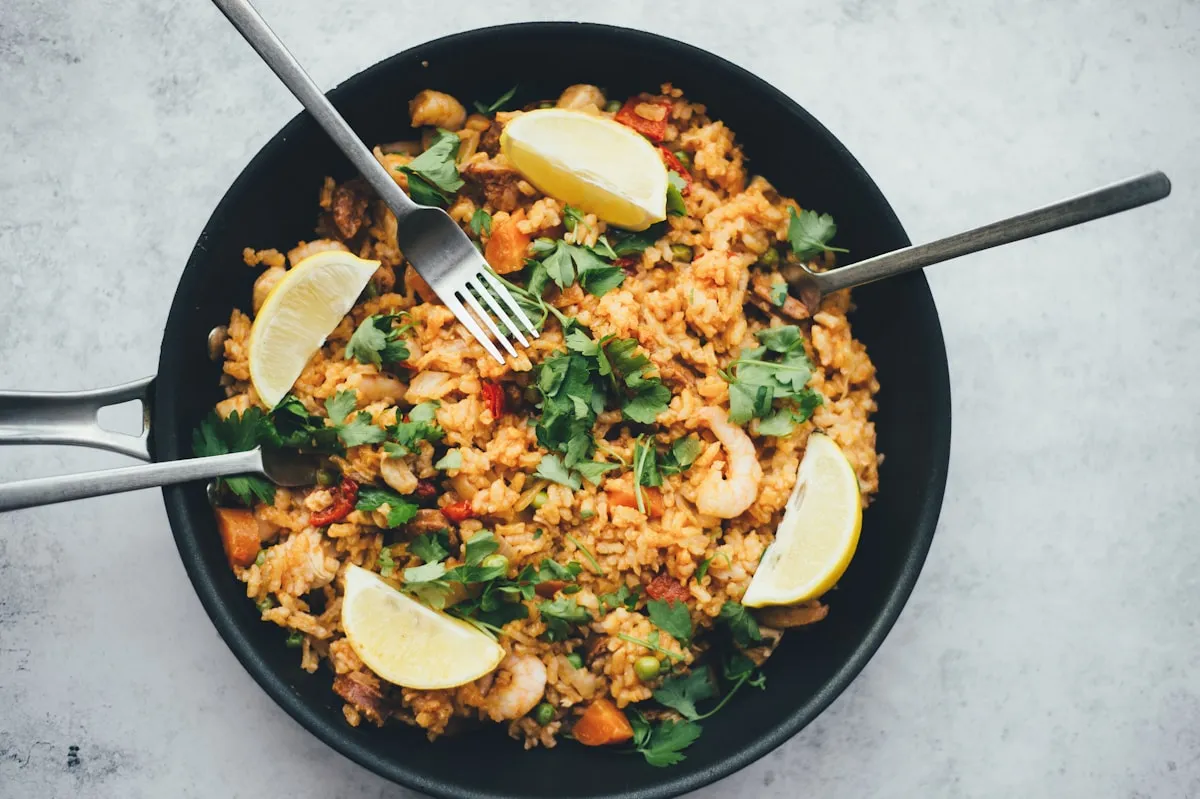
Let’s be honest: cabbage is the ultimate underdog of the produce aisle. It’s cheap, it lasts in your fridge for what feels like eternity, and it’s packed with nutrients. Yet, so many people avoid it because they’ve been traumatized by soggy, sulfurous piles of mush. I’m here to tell you that when treated with respect, cabbage transforms into a sweet, caramelized powerhouse that anchors the best budget friendly recipes in your repertoire. Stop walking past that $2 head of green gold and let’s get cooking.
Master the Science of the Skillet: Techniques for Flavor
To turn cabbage from "hospital food" into a gourmet side or main, you have to understand what’s happening inside those leaves. Cabbage is a brassica, meaning it contains sulfur compounds called glucosinolates. If you boil it for too long, those compounds break down into hydrogen sulfide gas, that’s the "rotten egg" smell. The secret to avoiding this is speed and heat.
The Magic of the Maillard Reaction
When you sauté or roast cabbage, you aren't just heating it; you’re triggering the Maillard reaction. This is the chemical dance between amino acids and reducing sugars that creates browning and deep, nutty flavors. Use a heavy-bottomed pan, like a cast-iron skillet, and don’t crowd it. If you dump a whole head of shredded cabbage into a small pan, it will steam in its own moisture. Instead, work in batches or use a wide pan to ensure the edges get those crispy, golden-brown bits.
Pectin Breakdown and Texture
Cabbage is held together by pectin, a structural fiber. If you cook it too little, it’s squeaky and tough. If you cook it too much, it loses all integrity. Aim for "tender-crisp." The heat should soften the pectin just enough to make it pliable but leave a satisfying bite. For easy dinner recipes, I recommend shredding the cabbage into 1/4-inch ribbons. This creates maximum surface area for caramelization while ensuring it cooks through in under ten minutes.
The Acid Finish
Because cabbage is naturally sweet once cooked, it needs a counter-punch. Always finish your dish with a splash of acid, think apple cider vinegar, lemon juice, or even a hit of lime. This doesn't just add flavor; it chemically balances the residual sulfur notes and "cuts" through any fat you used for sautéing. Check out how I use similar balancing acts in my spicy tomato basil linguine to keep the sauce from becoming too heavy.
High-Impact Variations for Every Cravings
Once you’ve mastered the basic sauté, you can pivot in a dozen directions. Cabbage is a blank canvas that absorbs whatever flavor profile you throw at it.
- The Protein Power-Up: Add sliced smoked sausage or kielbasa to your pan. The fat from the meat renders out and coats the cabbage, infusing it with smoky depth. If you’re a fan of this combo, you’ll love my kielbasa pierogi air fryer roast, which uses the same "meat-as-seasoning" philosophy.
- Thai-Inspired Stir-Fry: Mimic the flavors of a 15-minute Pad Krapow by adding garlic, ginger, soy sauce, and a handful of fresh basil at the very end. The high water content in cabbage makes it a great substitute for noodles if you’re looking for a lighter, keto-friendly alternative.
- Roasted "Steaks": Cut the cabbage into thick 1-inch rounds, brush with olive oil and garlic salt, and roast at 400°F (200°C). The outer leaves become "chips," while the core turns buttery and soft.
- The Egg-in-a-Hole Skillet: Create little wells in your sautéed cabbage, crack an egg into each, and cover the pan for two minutes. It’s a complete, dirt-cheap meal that feels like a brunch specialty.
Balancing the Plate: Side Dish Pairings
Cabbage dishes are often rich (if you use butter or bacon) or deeply savory. To build a balanced meal, you need to think about contrast in both texture and pH.
If you’re serving a warm, buttery cabbage sauté, pair it with something bright and crunchy. A simple arugula salad with a sharp vinaigrette provides a peppery bite that cleanses the palate between forkfuls of savory cabbage. If you’re leaning into a spicy stir-fry, serve it alongside steamed jasmine rice or quinoa to soak up those juices.
For a more "complete" weeknight spread, try pairing your cabbage with a roasted medley of peppers and onions. My air fryer sausage pepper onion medley is a perfect companion because it shares similar cook times and flavor profiles, making your kitchen prep incredibly efficient. Remember: the goal is to have one "soft/savory" element and one "bright/acidic" element on every plate.
FAQ: Solving Your Cabbage Conundrums
What if my cabbage tastes bitter?
Bitterness usually comes from two things: the age of the cabbage or undercooking. Older heads concentrate their bitter compounds. To fix this, add a tiny pinch of sugar or a splash of honey during the cooking process. The sweetness masks the bitterness on your tongue. Also, ensure you’ve seasoned it with enough salt, salt is a scientifically proven bitterness suppressor.
Why does my cabbage always turn out soggy?
You’re likely overcrowding the pan or adding salt too early. Salt draws out moisture through osmosis. If you salt a mountain of raw cabbage in a cold pan, it will release all its water and boil rather than sear. Wait until the cabbage has started to brown and wilt slightly before adding your salt.
How do I store a half-used head of cabbage?
Cabbage is hardy, but the cut surface will oxidize and turn grey. Wrap the cut end tightly in plastic wrap or bees-wax wrap and keep it in the crisper drawer. It will stay fresh for at least another week. Avoid washing the cabbage until you are ready to use it, as excess moisture accelerates spoilage.
Does cabbage cause bloating?
Cabbage contains a complex sugar called raffinose, which our bodies find hard to break down in the upper GI tract. When it reaches the large intestine, bacteria ferment it, creating gas. To minimize this, try a "quick pickle" or fermentation (like kimchi), which pre-digests some of these sugars. In cooked dishes, adding caraway seeds or ginger can help soothe digestion.
Can I freeze cooked cabbage?
Yes, but the texture will change. Once frozen and thawed, the cell walls collapse further, making it quite soft. Frozen cooked cabbage is best used in soups, stews, or as a filling for dumplings rather than as a standalone side dish.
Is red cabbage interchangeable with green?
Mostly, yes. However, red cabbage has a higher concentration of anthocyanins (antioxidants), which react to pH. If you cook red cabbage without an acid, it can turn an unappetizing blue-grey. Always add vinegar or lemon juice to red cabbage to keep its vibrant magenta hue. It also takes slightly longer to soften than green cabbage.
{“@type”:”FAQPage”,”@context”:”https://schema.org”,”mainEntity”:[{“name”:”What if my cabbage tastes bitter?”,”@type”:”Question”,”acceptedAnswer”:{“text”:”Bitterness is often due to the cabbage’s age or undercooking. Adding a small amount of sugar or honey can mask the bitterness, while salt helps suppress the bitter flavors on the palate.”,”@type”:”Answer”}},{“name”:”Why does my cabbage always turn out soggy?”,”@type”:”Question”,”acceptedAnswer”:{“text”:”Sogginess occurs when the pan is overcrowded, leading to steaming instead of searing. Additionally, adding salt too early draws out moisture through osmosis. Salt only after browning has begun.”,”@type”:”Answer”}},{“name”:”How do I store a half-used head of cabbage?”,”@type”:”Question”,”acceptedAnswer”:{“text”:”Wrap the cut surface tightly in plastic or bees-wax wrap and store it in the crisper drawer. Avoid washing it until you’re ready to cook to prevent premature spoilage.”,”@type”:”Answer”}},{“name”:”Does cabbage cause bloating?”,”@type”:”Question”,”acceptedAnswer”:{“text”:”Cabbage contains raffinose, a sugar that ferments in the large intestine. To help with digestion, incorporate ingredients like caraway seeds or ginger, or try fermented cabbage like kimchi.”,”@type”:”Answer”}},{“name”:”Can I freeze cooked cabbage?”,”@type”:”Question”,”acceptedAnswer”:{“text”:”Yes, but freezing collapses the cell walls, resulting in a softer texture. It is best used in soups or stews rather than as a crisp side dish after thawing.”,”@type”:”Answer”}},{“name”:”Is red cabbage interchangeable with green?”,”@type”:”Question”,”acceptedAnswer”:{“text”:”Yes, but red cabbage requires an acid (like vinegar) to maintain its color, otherwise it may turn blue-grey due to its anthocyanin content. It also typically has a slightly longer cook time.”,”@type”:”Answer”}}]}