Recipe
Servings
Servings 1×
Ingredients
- Chicken
- Salmon
- Pork
- Lentils
- Pasta
- Rice
- Cauliflower
- Broccoli
- Spinach
- Kale
- Peas
- Corn
- Onion
- Garlic
- Lemon
- Tahini
Method
- Use the technique of deglazing, adding a splash of stock, wine, or even water, to scrape those bits into your sauce.
- Add your aromatics like onions and garlic after the meat, allowing them to soften and sweeten in the rendered fats.
- Use these principles to build better quick family meals that taste like they took hours to simmer.
- Serve your meal with a side of quick-pickled cucumbers or a crisp slaw.
- Add frozen peas, corn, or spinach in the last 3-5 minutes of cooking.
- Keep the lid on to retain moisture unless reducing the sauce.”,”@type”:”Answer”}}],”description”:”Learn the science and technique behind perfect one pot meals.
The weeknight hustle is real, and the last thing you want is a sink full of dishes after a long day. You deserve a kitchen strategy that delivers maximum flavor with minimal cleanup. Mastering one pot meals isn't just about throwing everything into a pan and hoping for the best; it’s a culinary science that, once understood, turns you into a weeknight wizard. By following a few non-negotiable techniques, you can ensure every dish is balanced, textured, and deeply satisfying for the whole family.
The Science of Flavor: Techniques for Success
To truly master one pot meals, you must respect the chemistry of the pan. Most home cooks fail because they treat the pot like a landfill rather than a controlled environment. If you want to elevate your cooking, start with the Maillard reaction. This is the chemical reaction between amino acids and reducing sugars that gives browned food its distinctive flavor. When you sear your protein first, you aren't just adding color; you are creating hundreds of different flavor compounds. Science shows that searing meat before adding liquid can help retain up to 38% more moisture inside the protein, preventing that "boiled leather" texture often found in rushed stews.
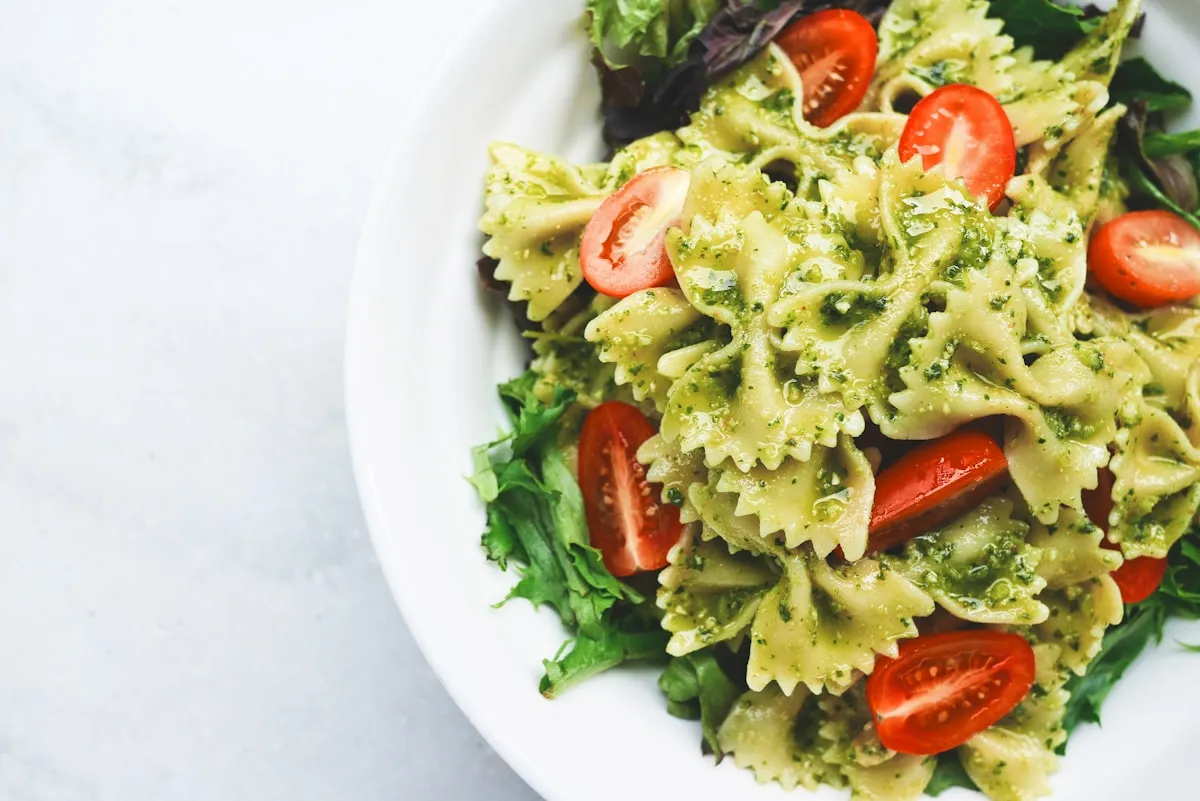
Next, focus on the "fond." That brown, sticky residue left on the bottom of the pot after searing is culinary gold. Use the technique of deglazing, adding a splash of stock, wine, or even water, to scrape those bits into your sauce. This "downloads" the concentrated flavor back into your dish. Ignore the fond, and you’re throwing away the best part of your meal.
Layering is your next priority. Not all ingredients are created equal in the eyes of heat. Add your aromatics like onions and garlic after the meat, allowing them to soften and sweeten in the rendered fats. Dense root vegetables come next, as they require more time to break down their complex cell structures. Save delicate greens and fresh herbs for the final minutes; otherwise, they’ll turn into a dull, flavorless mush.
Finally, handle your starches with care. If you are adding rice or pasta directly to the pot, the liquid must be at a full, active boil (at least 195°F). This ensures uniform starch gelatinization. Adding grains to lukewarm liquid leads to uneven hydration, resulting in a gummy, unappealing texture. Use these principles to build better quick family meals that taste like they took hours to simmer.
Masterful Variations for Every Lifestyle
One of the greatest strengths of the one-pot method is its versatility. You can adapt these techniques to suit any dietary need without losing the convenience. For those seeking healthy dinner ideas, focus on plant-based proteins. A red lentil dahl is a perfect example of how starch and spice can create a creamy, filling meal in a single vessel. In these cases, the lentils themselves act as the thickener, releasing their starches to create a rich mouthfeel without the need for heavy creams.
If you are following a keto or low-carb lifestyle, swap traditional grains for cauliflower rice or fibrous greens like kale and chard. Because fats are the vehicle for flavor in keto cooking, your searing step becomes even more critical. Searing high-fat proteins like sausage or salmon allows the fat to render and coat your vegetables, creating a decadent sauce that requires no flour-based thickeners. On nights when you want a different texture, you might even pivot to air fryer recipes dinner to get a specific crunch that only circulating hot air can provide, but for sheer comfort, the pot remains king.
The Perfect Pairing: Balancing the Pot
Because one pot meals tend to be rich, savory, and dense, your side dishes should provide a sharp contrast. Think of it as a see-saw: if the main dish is "heavy" and "warm," your side should be "light" and "bright." Acidity is your best friend here. A simple arugula salad with a lemon-tahini dressing can cut through the richness of a creamy pasta or a beef stew perfectly.
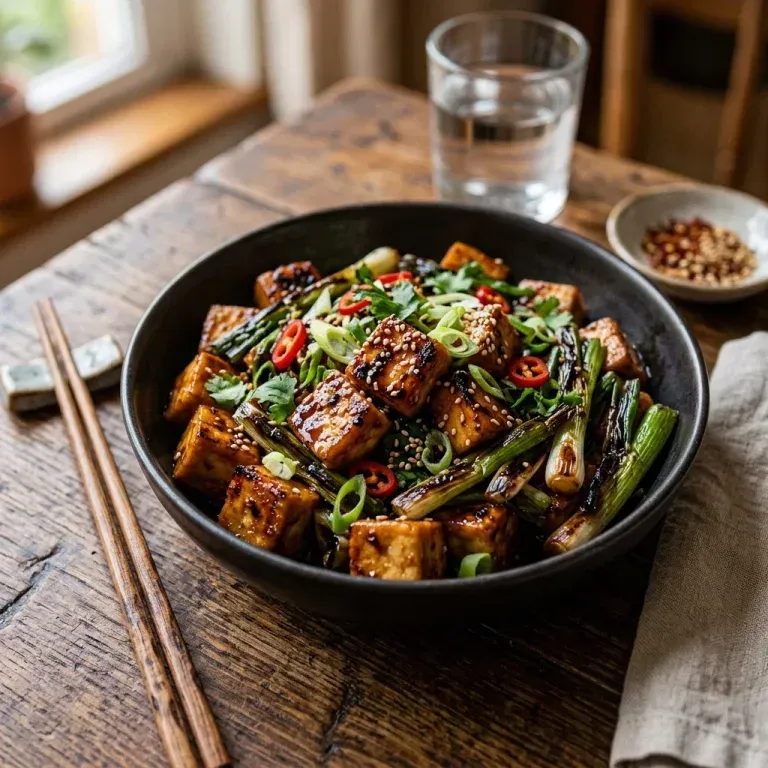
Crunch is the other essential element. Since everything in a one-pot dish has been simmered together, the textures can lean toward the softer side. Serve your meal with a side of quick-pickled cucumbers or a crisp slaw. This provides a refreshing "palate cleanser" between bites, making the main dish feel less monotonous. If you’re preparing quick family meals, a bowl of steamed broccoli with a dash of rice vinegar is an effortless way to round out the plate and ensure you’re hitting those nutritional goals.
One Pot FAQ: Solving Common Kitchen Disasters
Why does my pasta always turn out gummy?
Gumminess is usually caused by two things: too much starch in too little liquid, or adding the pasta before the liquid is boiling. Ensure you have enough broth to allow the pasta to move, and never add it to a cold pot. The high heat of boiling water is necessary to set the exterior of the pasta immediately.
How do I prevent the bottom of the pot from burning?
Burning happens when there isn't enough circulation or liquid. If you’re cooking a thick stew, use a heavy-bottomed Dutch oven which distributes heat more evenly. Also, check the "seal" of your lid. If too much steam escapes, the liquid levels drop too low, and the sugars in your sauce will scorch. Crack the lid only if you specifically need to reduce a sauce that is too watery.
Can I use frozen vegetables in my one-pot meals?
Yes, but timing is everything. Frozen vegetables contain more moisture than fresh ones. If you add them too early, they will release that water and dilute your sauce, likely turning into mush. Add frozen peas, corn, or spinach in the last 3-5 minutes of cooking. They only need enough time to thaw and reach the temperature of the dish.
Why is my meat tough even after simmering?
You likely used the wrong cut or didn't give it enough time. For one-pot "braise style" meals, you want "hard-working" cuts like shoulder or thigh. These have more connective tissue (collagen) that needs time to break down into gelatin. If you use lean cuts like chicken breast or pork loin, keep the cooking time short and add them toward the end to avoid overcooking.
Is it really possible to make healthy dinner ideas in just one pot?
Absolutely. The beauty of this method is that nutrients that might normally be lost in boiling water (like Vitamin C and B vitamins) stay in the pot and become part of the sauce. Focus on incorporating various colors of vegetables and lean proteins to keep things balanced.
{“@type”:”BlogPosting”,”image”:”https://cdn.marblism.com/rHY-FZzk1d-.webp”,”author”:{“name”:”Penny”,”@type”:”Person”},”@context”:”https://schema.org”,”headline”:”5 Steps to Master One Pot Meals and Save Your Weeknights”,”publisher”:{“logo”:{“url”:”https://cookpedia.com/logo.png”,”@type”:”ImageObject”},”name”:”Cookpedia”,”@type”:”Organization”},”mainEntity”:[{“name”:”Why does my pasta always turn out gummy?”,”@type”:”Question”,”acceptedAnswer”:{“text”:”Gumminess is usually caused by adding pasta before the liquid is at a full boil or having too little liquid for the starch to move freely. Always ensure a rolling boil before adding starches.”,”@type”:”Answer”}},{“name”:”How do I prevent the bottom of the pot from burning?”,”@type”:”Question”,”acceptedAnswer”:{“text”:”Use a heavy-bottomed pot for even heat distribution and ensure there is enough liquid to prevent sugars from scorching. Keep the lid on to retain moisture unless reducing the sauce.”,”@type”:”Answer”}}],”description”:”Learn the science and technique behind perfect one pot meals. From the Maillard reaction to starch control, master the art of quick family meals with minimal cleanup.”,”datePublished”:”2026-07-16″,”mainEntityOfPage”:{“@id”:”https://cookpedia.com/5-steps-master-one-pot-meals”,”@type”:”WebPage”}}