Recipe
Servings
Servings 1×
Ingredients
- Rice
- Onion
- Lemon
- Cooking oil
- Salt
Method
- Prepare the ingredients described in the article and heat the cooking surface or oven as directed.
- Cook the main ingredients using the heat and timing guidance in the article.
- Finish with the seasonings and garnishes named in the article, then serve.
We’ve all been there. It’s 6:00 PM, you’re starving, and you reach for a recipe that promises dinner on the table in fifteen minutes. But somehow, twenty minutes later, you’re still chopping onions while a lukewarm pan sits sadly on the stove. By the time you sit down, the meat is gray, the veggies are mushy, and you’re questioning your life choices. Cooking under pressure is an art form, and most of us are accidentally sabotaging our own speed. If you want to master quick family meals without the stress, you need to stop making these seven common blunders.
The Science of Speed: Techniques That Actually Save Time
The biggest hurdle in fast cooking isn't your knife skills; it’s physics. When you’re rushing, you tend to ignore the "why" behind the heat, which leads to the first and most egregious error: the cold pan start. Putting oil and food into a cold skillet is a recipe for a soggy disaster. Science tells us that the Maillard reaction, the chemical dance between amino acids and reducing sugars that gives food its delicious brown crust, requires high heat. If your pan isn't screaming hot before the food hits, you’re essentially boiling your dinner in its own juices. Preheat your pan for at least two minutes before the oil touches it. Test it with a drop of water; if it dances and evaporates instantly, you’re ready.
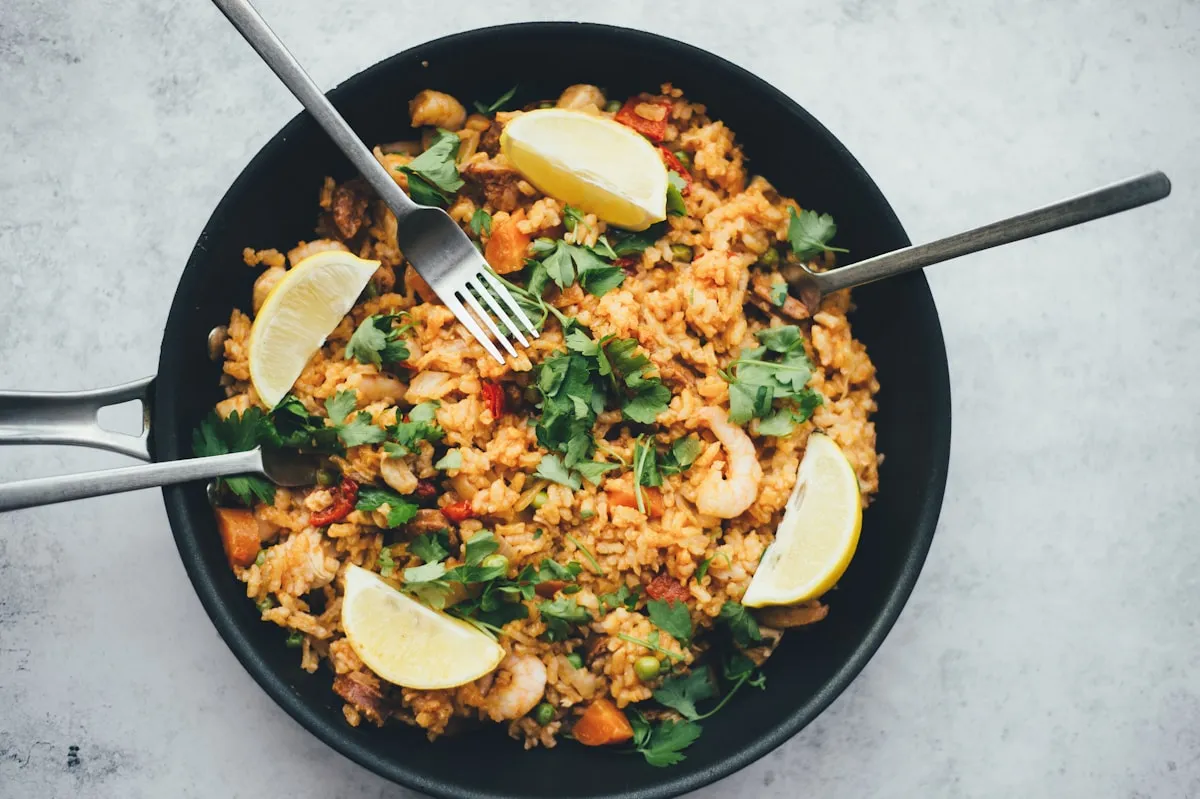
Another non-negotiable is pan real estate. Overcrowding is the silent killer of healthy dinner ideas. When you pack too many ingredients into a small space, the temperature of the pan plummets. Instead of searing, the moisture released by the food creates a steam bath. This makes vegetables limp and meat rubbery. Use the largest skillet you own or, better yet, cook in batches. Give your ingredients room to breathe and watch how much faster they actually brown.
Stop throwing "fridge-cold" meat directly into the fire. Cold proteins seize up when they hit heat, leading to an uneven cook where the outside is burnt and the inside is still raw. Take your meat out of the fridge at least ten minutes before you start. This small window allows the muscle fibers to relax, ensuring a much faster and more consistent sear. Similarly, stop cutting into your meat the second it leaves the pan. Even in a 15-minute sprint, your protein needs three minutes to rest so the juices can redistribute. If you cut it immediately, all that flavor ends up on the cutting board, leaving you with dry, uninspiring results.
Finally, quit ignoring the power of acid. Most home cooks reach for salt when a dish tastes "flat," but often, what the meal needs is a hit of brightness to balance the fats. A squeeze of lemon or a splash of rice vinegar can wake up a dish faster than any spice blend. If you’re looking for high-impact results with minimal effort, mastering the balance of acidity and heat is your secret weapon. For those using specialized gear, many air fryer recipes dinner enthusiasts forget that the same rules of airflow and spacing apply there too!
Variations for the Modern Kitchen
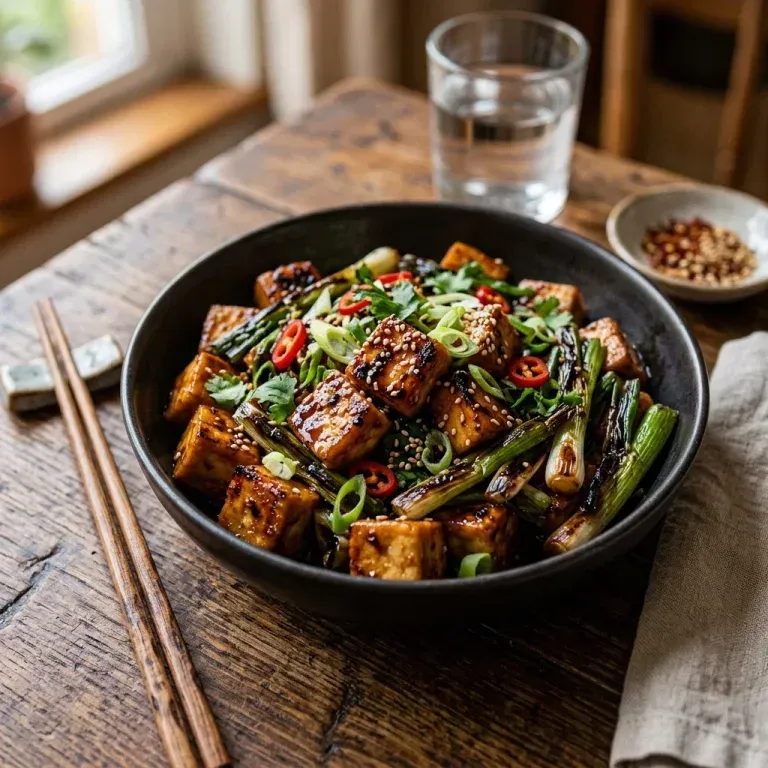
Mastering the "speed" template means you can swap ingredients based on what’s in your pantry. If you’ve mastered a basic stir-fry, don't feel locked into chicken and broccoli. Switch to thin-sliced tofu or shrimp, which cook in half the time of beef. Instead of waiting for a pot of water to boil for traditional pasta, try a spicy tomato basil one-pot linguine where the starch from the pasta thickens the sauce as it cooks.
For those focusing on plant-based options, chickpeas and lentils are your best friends. They require zero "cooking" time beyond heating them through, making them perfect for a last-minute curry or a hearty salad base. If you're using an air fryer, you can easily pivot from meat-heavy dishes to an air fryer sausage and pepper medley that focuses on char and crunch. The key is to choose "thin and small", the smaller the ingredient, the faster the heat can penetrate the center.
Smart Side Dish Pairings
A great 15-minute main deserves a side that doesn't take 30 minutes to prep. Focus on balance. If your main dish is rich or fatty, like a seared salmon or a cheesy pasta, pair it with something high in acidity and crunch. A simple arugula salad with a lemon-tahini dressing provides the perfect "cut" to the richness.
Avoid heavy, starchy sides that require boiling or long roasting. Instead, lean into quick-cooking grains like couscous or pre-cooked quinoa that only need a quick steam. Frozen peas or edamame are also brilliant; they can be tossed directly into a pan or bowl at the last second, adding a pop of sweetness and texture without any additional prep time. Always look for a contrast in temperatures and textures to make your quick family meals feel like a multi-course experience.
15-Minute Cooking FAQ: Troubleshooting Your Speed
What if my pan starts smoking before I add the food?
This means your oil has reached its smoke point. Remove the pan from the heat immediately. Wipe it out and start over with a fresh coat of oil once it cools slightly. Using oils with high smoke points, like avocado or grapeseed oil, is essential for high-heat, fast cooking. Avoid extra virgin olive oil for heavy searing, as it burns quickly and develops a bitter taste.
Why do my "quick" vegetables always end up soggy?
You’re likely overcrowding the pan or adding them too early. Vegetables with high water content, like zucchini or mushrooms, need high heat and plenty of space to sear. If you pile them in, they’ll sit in their own moisture. Cook them in a single layer and don't salt them until the very end, as salt draws out moisture and encourages steaming.
Can I really cook frozen meat in 15 minutes?
Strictly speaking, no. While some healthy dinner ideas suggest cooking from frozen, it rarely results in good texture. The outside will overcook before the center defrosts. However, you can "flash-thaw" thin cuts like shrimp or fish fillets in a bowl of cool water for 5-10 minutes while you prep your other ingredients. This is a much better compromise than trying to sear an ice cube.
Is it okay to use canned beans or pre-cut veggies?
Absolutely. This isn't a culinary school exam; it’s your dinner. Pre-washed greens and canned beans are high-quality "real food" shortcuts that save you ten minutes of washing and chopping. Just be sure to rinse canned items thoroughly to control the sodium levels and keep your meal truly healthy.
How do I know when the meat is done without a thermometer?
In a 15-minute rush, a thermometer is actually your best friend, but if you don't have one, use the "touch test." A rare steak feels like the fleshy part of your palm below the thumb when your hand is relaxed. Well-done feels like that same spot when you make a tight fist. For chicken and pork, the meat should feel firm to the touch and the juices should run clear, not pink.
{“@type”:”BlogPosting”,”image”:[“https://cdn.marblism.com/H3jIyWSLNIU.webp”,”https://cdn.marblism.com/o7hGxcgKPrW.webp”,”https://cdn.marblism.com/4MlC5yn3v_0.webp”,”https://cdn.marblism.com/ZJvaRqN_x-v.webp”,”https://cdn.marblism.com/HXgr9RYND-z.webp”,”https://cdn.marblism.com/l22HR_ilnKQ.webp”],”author”:{“name”:”Cookpedia”,”@type”:”Organization”},”@context”:”https://schema.org”,”headline”:”7 Mistakes in 15-Minute Cooking”,”publisher”:{“logo”:{“url”:”https://cookpedia.com/logo.png”,”@type”:”ImageObject”},”name”:”Cookpedia”,”@type”:”Organization”},”description”:”Master the art of 15-minute cooking by avoiding these 7 common mistakes. Learn the science of heat, pan spacing, and quick healthy meal planning.”,”datePublished”:”2026-06-09″,”mainEntityOfPage”:{“@id”:”https://cookpedia.com/7-mistakes-in-15-minute-cooking”,”@type”:”WebPage”}}