Recipe
Servings
2 portions 1×
Serves 2 portionsPrep 10 minCook 15 minTotal 25 min
Ingredients
- Steak
- Noodles
- Bread
- Potatoes
- Fresh ginger
- Lemon
- Lime
- Balsamic vinegar
- Honey
- Chili seasoning
- Salt
- Black pepper
Method
- Prepare the ingredients described in the article and heat the cooking surface or oven as directed.
- Cook the main ingredients using the heat and timing guidance in the article.
- Finish with the seasonings and garnishes named in the article, then serve.
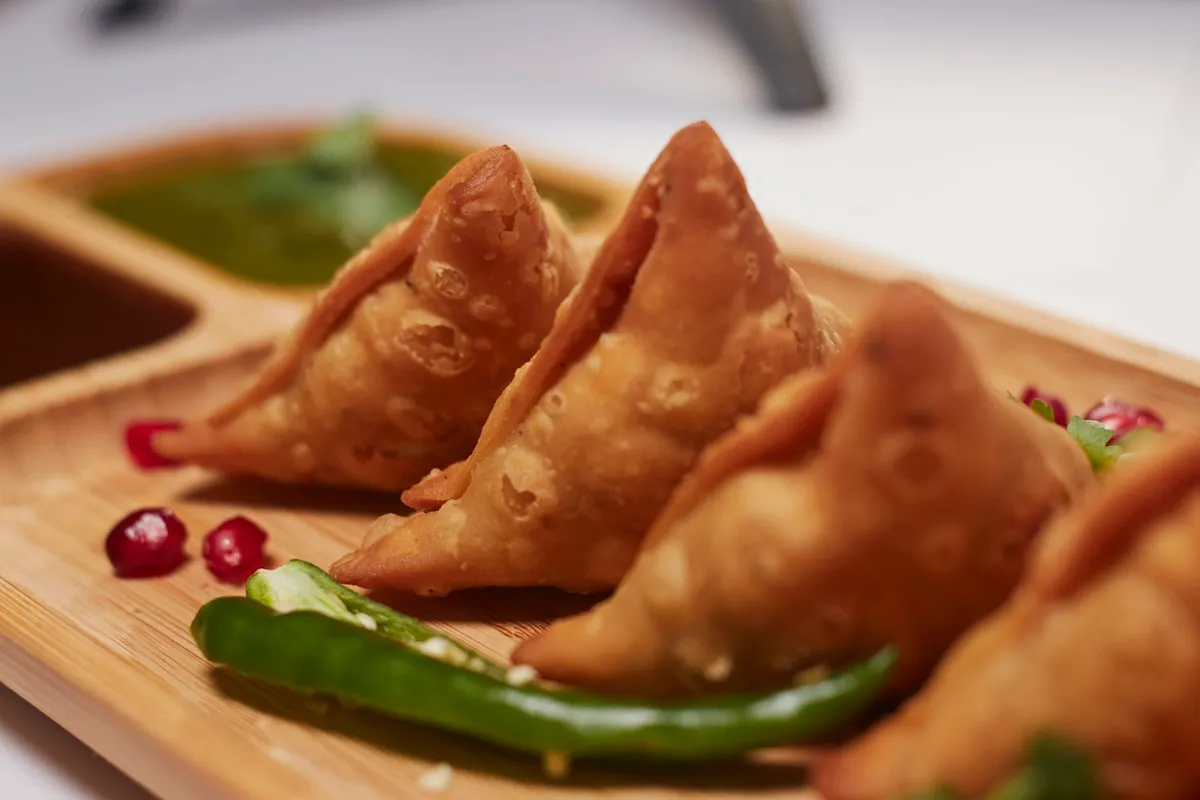
If you have ever stared at a duck breast in the supermarket and thought, “That belongs in a fancy French bistro, not my kitchen,” let me stop you right there. Duck is essentially the “steak of the sky”: rich, succulent, and surprisingly forgiving if you understand the physics of fat. While traditionally a pan-searing project that leaves your stovetop looking like a crime scene of grease splatters, the air fryer is the secret weapon for achieving that elusive, paper-thin, glass-shattering skin. It is one of those healthy dinner ideas that feels like cheating because it tastes so indulgent.
The Physics of the Render: Why Convection Wins
The biggest challenge with duck is the massive layer of subcutaneous fat sitting between the skin and the meat. If you don’t render that fat out properly, you end up with a rubbery, chewy mess that ruins the entire experience. This is where the science of convection becomes your best friend. In a standard oven, the heat is relatively static. In an air fryer, the high-velocity fan constantly whisks away the moisture and the melting fat as it bubbles to the surface.
To maximize this rendering, you must provide the fat with an exit strategy. Score the skin deeply in a tight diamond pattern, but be precise; do not nick the meat. If you cut into the flesh, the juices will escape, leading to dry meat, and the moisture will steam the skin from the inside out, defeating the purpose of your air fryer. Think of these scores as drainage ditches for the liquid gold that is duck fat.
Another non-negotiable technique is the “cold start” or a very controlled temperature climb. While we often preheat for air fryer recipes dinner, starting duck in a cooler environment allows the fat to begin liquefying before the skin seizes and hardens. If the skin tightens too quickly from extreme heat, it traps the fat underneath. Use the air fryer’s ability to circulate heat evenly to ensure that the fat renders out completely, leaving behind only the structural proteins of the skin to crisp up into a savory brittle.
Check your progress often. The goal is a deep mahogany color. Use a meat thermometer to ensure the internal temperature stays within your desired range: usually around 135°F (57°C) for a perfect medium-rare: while the exterior continues its transformation. This balance of heat and airflow makes duck one of the most rewarding quick family meals for someone who wants restaurant-quality results without the restaurant-level cleanup.
Flavor Variations: Beyond Salt and Pepper
Once you master the render, you can start playing with the flavor profile. Duck has a robust, gamey flavor that stands up beautifully to bold aromatics. Consider a dry rub approach for maximum crispness. Earthy spices like toasted cumin, coriander, or even a hint of Chinese five-spice powder work wonders. Because the air fryer is so efficient at removing moisture, these spices toast directly into the skin, creating a fragrant crust that complements the rich meat.
If you prefer a glaze, timing is everything. Any sugar-based glaze: think honey, balsamic, or orange marmalade: should only be applied in the final two or three minutes of cooking. If you apply it too early, the high-velocity air and heat will burn the sugars before the fat has a chance to render, resulting in a bitter, charred exterior and a fatty interior. A quick brush of a pomegranate molasses or a ginger-soy reduction at the very end creates a lacquered finish that is visually stunning and tastes incredible.
For those who enjoy a more herbaceous profile, tucking sprigs of rosemary or thyme under the duck during the last few minutes of the air-frying process allows the circulating air to blow those essential oils directly over the rendering skin. It’s a low-effort way to add high-impact flavor without adding moisture that could compromise the crunch.
Balancing the Plate: Side Dish Pairings
Duck is unapologetically rich. To create a balanced meal, you need sides that offer either high acidity or a clean, bitter contrast to cut through the fat. A zesty arugula salad with a lemon-heavy vinaigrette is a classic choice, as the sharpness of the greens cleanses the palate between bites of the decadent meat.
For something more substantial, look toward roasted vegetables that benefit from the same high-heat environment. These air-fryer brussels sprouts are a perfect companion; their charred edges and nutty flavor profile mirror the crispy duck skin beautifully. Alternatively, a bright, citrus-forward dish like 15-minute thai prawn noodles can be adapted by skipping the prawns and using the duck as the primary protein, allowing the lime and chili to balance the richness.
If you are leaning into the “steak” comparison, consider creamy polenta or a root vegetable mash. The smoothness of a parsnip puree provides a velvety backdrop for the crunch of the duck. Just ensure whatever you choose has enough “pop”: whether through vinegar, citrus, or spice: to keep the meal from feeling too heavy.
Frequently Asked Questions
Why is my air fryer smoking when I cook duck?
Duck fat has a relatively high smoke point, but the sheer volume of fat rendered during the process can sometimes splash onto the heating element or pool at the bottom of the basket and smoke. To prevent this, ensure your air fryer is spotlessly clean before you start. You can also place a slice of bread or a small amount of water in the bottom of the outer drawer (below the basket) to catch and neutralize the dripping fat, though the bread method is more effective for absorbing oil.
Can I cook the duck from frozen?
Avoid this at all costs. For the fat to render properly and the skin to crisp, the duck needs to be completely thawed and, ideally, brought close to room temperature. Cooking from frozen will result in a grey, overcooked exterior and a raw, fatty interior. Pat the skin dry with paper towels multiple times before it hits the basket; moisture is the enemy of the crunch.
How do I know when the duck is done without a thermometer?
While a thermometer is the only way to be 100% sure, you can use the “touch test” similar to steak. It should feel firm but have some give. However, the skin is your best visual cue. It should be a deep, even golden-brown and feel hard when tapped with a knife. If it feels soft or squishy, the fat hasn’t rendered enough: keep it in for another few minutes.
What should I do with the leftover duck fat?
Do not throw it away! Filter the liquid fat through a fine-mesh sieve and store it in a jar in the fridge. It is essentially liquid gold. Use it to roast potatoes, sauté greens, or even fry eggs. It lasts for weeks and adds an incredible depth of flavor to almost any other air fryer recipes dinner you plan for the week.
Does the duck need to rest?
Absolutely. This is a non-negotiable rule. Resting for at least five to ten minutes allows the muscle fibers to relax and reabsorb the juices. If you slice it immediately, all that succulent moisture will end up on your cutting board instead of in your mouth. Rest it skin-side up so the steam can escape without softening your hard-earned crispy crust.