Recipe
Servings
4 servings 1×
Serves 4Prep 10 minCook 20 minTotal 30 min
Nutrition per serving
Ingredients
- 4 large chicken thighs Skin-on
- 1 tbsp lemon zest Flavor without pH inhibition
- 1 tbsp olive oil
Method
- Pat bone-dry.
- Rapid dehydration is the only way to overcome lemon’s low-pH inhibition of browning.
- Cook at 380°F for 20 mins.
- The vortex strips surface moisture for bubbling skin.
There is something fundamentally transformative about the way heat and air dance together in a small, metal basket. We have all been there: staring at a pack of chicken thighs on a Tuesday night, wondering how to turn “Tuesday” into “Ta-da!” without spending three hours in the kitchen. For me, the answer is always Greek-inspired flavors. But while the taste of lemon and oregano is a classic, achieving that perfect, crackling golden-brown skin while using acidic marinades is actually a bit of a scientific tightrope walk.
If you are looking for air fryer recipes dinner guests and picky toddlers will both devour, you have hit the jackpot. This isn’t just about making chicken; it is about understanding the chemistry of your dinner so you can master it every single time.
The Chemistry of Crunch: pH and the Maillard Reaction
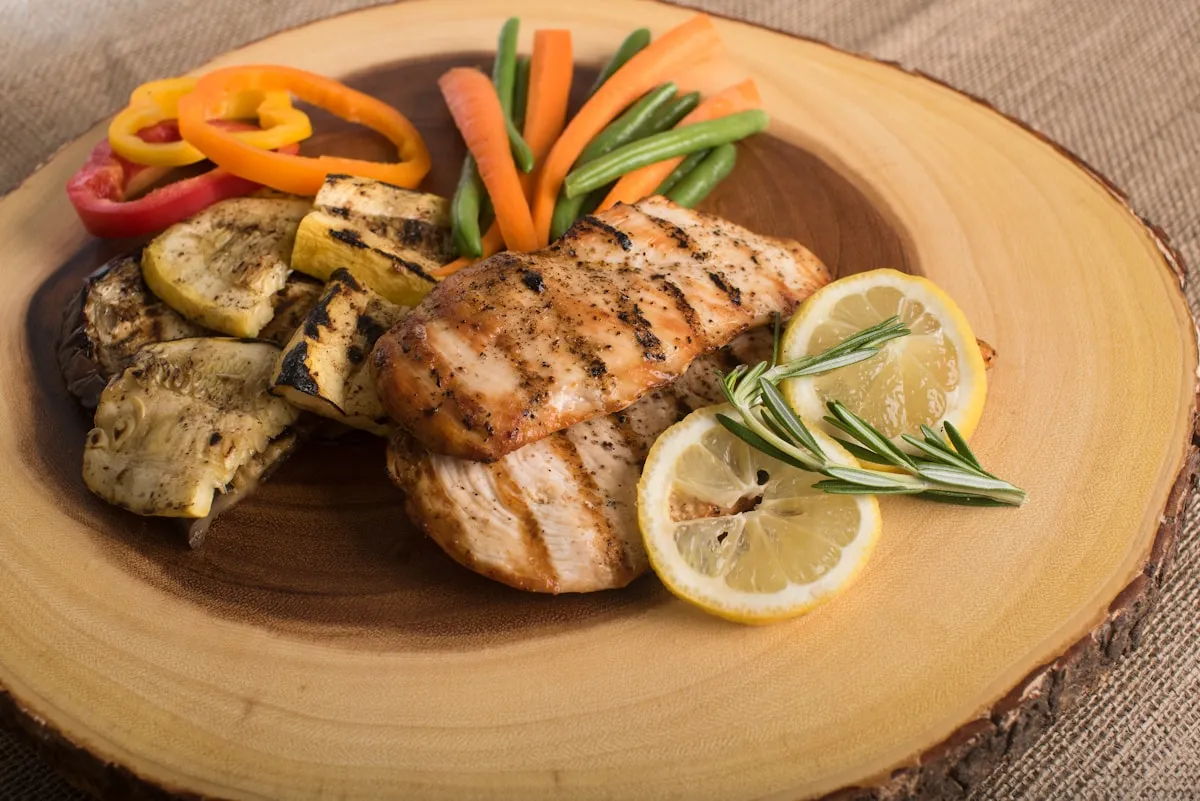
Let’s talk science for a second, because understanding the “why” will make you a better cook than any recipe card ever could. The Maillard reaction is that magical chemical interaction between amino acids and reducing sugars that gives browned food its distinctive, savory flavor and deep color. It is why a seared steak tastes better than a boiled one. However, the Maillard reaction is a bit of a diva, it has very specific preferences.
One of those preferences is pH. In a high-pH (alkaline) environment, the Maillard reaction goes into overdrive. This is why you might add a pinch of baking soda to onions to caramelize them faster. Conversely, a low-pH (acidic) environment, like one filled with fresh lemon juice, actually inhibits the Maillard reaction. This creates a culinary paradox for our Greek chicken: we want the bright, citrusy zing of lemon, but the acidity threatens to leave our chicken looking pale and sad rather than golden and crispy.
So, how do we fix this? The secret lies in the air fryer’s convection power. In a standard oven, moisture sits on the surface of the meat, further slowing down the browning process. In an air fryer, the high-velocity hot air strips away surface moisture almost instantly. This rapid dehydration overcomes the inhibitory effects of the lemon juice’s acidity, allowing the browning to occur even in a low-pH environment.
To maximize this effect, use zest over juice whenever possible. The zest contains the aromatic oils (limonene) that provide the flavor without the acidity that messes with your browning. Use a high-smoke-point oil like avocado or olive oil to act as a heat conductor on the skin. Avoid overcrowding the basket; if the air cannot circulate, the “steam” from the lemon juice will trap the chicken in a humid microclimate, and you will end up with soggy skin. Check your internal temperatures early, but do not stop until you see those beautiful, bubbly brown spots.
Flavor Elevations and Variations
Once you have mastered the basic science of the lemon-herb balance, you can start playing with the profile to suit your mood. This is the beauty of quick family meals; they are a canvas for your pantry staples.
- The Yogurt Tenderizer: Instead of a thin oil-based marinade, try a Greek yogurt base. The lactic acid in yogurt is milder than the citric acid in lemons, and the proteins in the yogurt provide extra fuel for the Maillard reaction. This results in a slightly thicker, more “tandoori-style” crust that is incredibly succulent.
- The Spicy Mediterranean: Add a teaspoon of dried Aleppo pepper or red chili flakes. The heat cuts through the richness of the chicken fat, creating a balanced profile that pairs beautifully with a cooling cucumber sauce.
- Balsamic Twist: If you want a deeper, darker color, swap half the lemon juice for a splash of balsamic vinegar. The sugars in the vinegar will caramelize quickly, providing a rich mahogany finish that looks like it came from a high-end rotisserie.
- The Keto Crunch: For those following specific dietary lifestyles, ensure you are using skin-on thighs. The fat rendered from the skin is your best friend for flavor and satiety.
Side Dish Pairings for a Balanced Plate
To make this one of your favorite healthy dinner ideas, you need to pair the richness of the air-fried chicken with something bright and textural. The goal is to balance the palate, acidity cuts through fat, while starch provides a landing pad for all those herb-infused juices.
I always recommend a classic zesty salad featuring arugula, cucumbers, and a heavy hand of feta cheese. The saltiness of the feta highlights the lemon in the chicken. If you need something more substantial, try air fryer brussels sprouts; they can often cook at the same temperature, making your life significantly easier.
For a true Mediterranean feast, serve your chicken over a bed of fluffy quinoa or alongside roasted lemon potatoes. The key is to keep the sides simple so the complex, browned flavors of the chicken remain the star of the show.
Frequently Asked Questions
Can I use chicken breasts instead of thighs?
You can, but proceed with caution. Breasts lack the intramuscular fat and skin of thighs, which means they dry out much faster in the high-intensity environment of an air fryer. If you choose breasts, reduce the cooking time and use a meat thermometer to pull them at exactly 165°F (74°C). For the best results in quick meals, thighs are far more forgiving.
Why is my chicken not getting brown even though I followed the tips?
The most common culprit is moisture. If you wash your chicken (please don’t, it just spreads bacteria) or if your marinade is too watery, the air fryer has to spend the first five minutes just evaporating water before it can even start the Maillard reaction. Pat your chicken bone-dry with paper towels before applying your oil and herbs. Dry skin = crispy skin.
Is it safe to put lemon slices directly in the air fryer?
Absolutely. In fact, I encourage it. Placing lemon slices under or around the chicken allows them to caramelize and char. The heat breaks down the sugars in the lemon, turning a sharp sourness into a mellow, sweet-tart glaze that you can squeeze over the chicken at the end.
Can I use dried herbs instead of fresh?
Yes, but remember the ratio. Dried herbs are more concentrated than fresh. Use about one-third the amount of dried oregano as you would fresh. Also, be aware that dried herbs can burn in the high-heat airflow of an air fryer. Rubbing them into the oil first helps protect them from the direct heat of the element.
How do I prevent the garlic from burning?
Garlic is the Achilles’ heel of the air fryer. Because it is small and has low moisture, it burns and turns bitter long before the chicken is done. To avoid this, use garlic powder in the marinade for deep flavor, or tuck whole, smashed garlic cloves underneath the chicken pieces so they are shielded from the direct fan blast.
By focusing on the science of the sear and the balance of your ingredients, you aren’t just making dinner; you are mastering the art of the air fryer. Now, get that basket preheated!