Recipe
Servings
1 serving 1×
Serves 1Prep 5 minCook 5 minTotal 10 min
Nutrition per serving
Ingredients
- 5 cup cooked quinoa or cauliflower rice warmed
- 25 cup kimchi unpasteurized, with live cultures
- 2 large organic eggs poached, fried, or 6.5-minute soft-boiled
- 1 handful spinach or kale wilted
- 5 avocado sliced
- 1 tsp toasted sesame seeds
- 1 drizzle sriracha or chili oil
- 1 spring onion thinly sliced
Method
- Warm your base of quinoa or cauliflower rice and place it at the bottom of a wide bowl.
- Quickly wilt the greens in a pan with a drop of sesame oil and a pinch of salt.
- Cook your eggs: for the best result, soft-boil for 6.5 minutes or fry sunny-side up to keep the yolk runny.
- Arrange the greens and kimchi over the base grains.
- Nestle the eggs and avocado on top.
- Garnish with sesame seeds, spring onions, and a drizzle of hot sauce before serving.
Toast had a good run, but lately breakfast has clearly chosen better moves.
Kimchi egg bowls are replacing the usual buttery slice because they do more: more flavour, more texture, more staying power, and honestly, more personality. On my blog, I love breakfasts that feel a bit clever without becoming a full morning project, and this one nails it. You get heat, tang, richness, and crunch in one bowl, which is a lot more exciting than staring at toast and pretending it’s enough.
Tips & Technique
What makes a kimchi egg bowl such a morning power move is not just the ingredients. It’s the method. More specifically, it’s what happens when the air fryer gets involved.
I know, I know. The air fryer has already been crowned the hero of everything from weeknight snacks to so-called air fryer recipes dinner trends, but it genuinely earns its place here. For a breakfast bowl, it does two useful things brilliantly: it dries and crisps kimchi without turning it into a sad burnt mess, and it can help create that perfect jammy egg texture that sits right between soft and set.
Let’s start with the kimchi. Straight from the jar, kimchi is punchy, juicy, and delicious, but it can also make a bowl feel wetter than you want first thing in the morning. A quick blast of circulating hot air helps drive off some of that excess moisture. That matters because less surface moisture means better browning. And better browning means deeper flavour. You’re concentrating the tangy, spicy, fermented notes while also adding crispy edges and little caramelised bits that make every forkful more interesting.
There’s some simple food science behind that. The air fryer works by moving hot air quickly around the food, which speeds up evaporation and encourages browning on exposed surfaces. That’s why kimchi comes out less soggy and more intense. It’s not magic. It’s heat transfer doing you a favour before coffee has properly kicked in.
Then there’s the egg situation, which is where this bowl either becomes elite or just “fine.” I’m aiming for elite. A jammy egg works so well here because the yolk acts like a built-in sauce. Once it breaks, it softens the spice, rounds out the sharpness of the kimchi, and gives the grains underneath a glossy, rich coating. In an air fryer, that texture is easier to repeat than many people think. Because the cooking chamber is small and the heat circulation is steady, you get consistent cooking with less guesswork than a pan on a busy hob.
The reason this matters is balance. Kimchi is lively and acidic. Eggs are soft and rich. Grains are neutral and grounding. If one element is off, the whole bowl feels slightly annoying. Too runny and it becomes messy. Too firm and you lose that luxurious contrast. The air fryer helps hit that middle point where the white is set but the yolk still has a little swagger.
Another thing I like about this method is how it streamlines the morning. A breakfast bowl sounds ambitious, but the technique makes it more realistic. It fits the same appeal people look for in quick family meals: less hands-on fuss, more reliable results, and fewer pans to stare at afterwards. That doesn’t make it lazy. It makes it smart.
Texture is also a huge part of why this breakfast beats toast. Toast gives you one note: crunch, then gone. A kimchi egg bowl gives you layers. Warm grains. Crisped kimchi. Soft egg. Maybe a creamy topping. Maybe sesame seeds. Maybe spring onion. Every bite feels like something happened. That contrast keeps breakfast interesting, which is half the battle when you’re bored of your usual routine.
And while this is obviously breakfast-first content, the same logic is why bowls like this sneak into conversations about healthy dinner ideas too. The structure is flexible, the flavours are bold, and the method helps simple ingredients taste bigger than they are. The air fryer isn’t just there because it’s trendy. It’s there because it solves real problems: limp texture, uneven cooking, and morning-time impatience.
If you’ve never crisped kimchi before, the biggest takeaway is this: you’re not trying to erase its identity. You’re giving it a new one. It still tastes fermented and fiery, but now it also has crunch and depth. Pair that with a jammy egg and the whole bowl stops feeling like “breakfast I should eat” and starts feeling like “breakfast I actually want.”
Variations
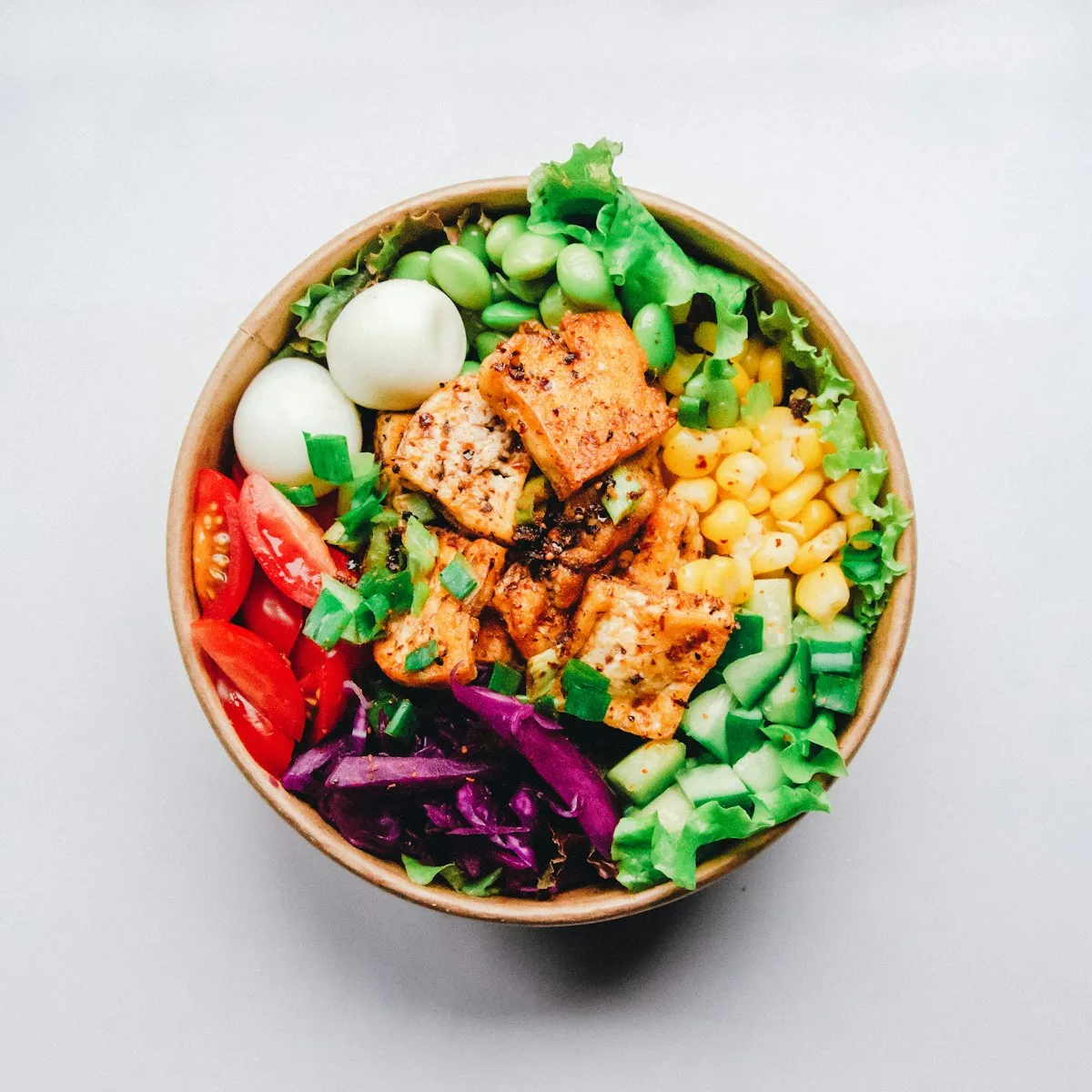
One of the best things about kimchi egg bowls is that they don’t force you into one personality. They can be cosy, fiery, protein-packed, or slightly fridge-clear-out genius, depending on what you build underneath and around them.
For grains, rice is the obvious classic, but it’s not the only move. Brown rice makes the bowl feel a little nuttier and more substantial. Jasmine rice keeps things soft and fragrant. Quinoa brings a slightly firmer bite and a more wholesome edge if that’s your mood. Even barley can work if you want something chewy and hearty. The grain changes the whole vibe more than people expect.
Protein-wise, eggs do most of the heavy lifting, but they don’t have to work alone. Tofu makes the bowl feel lighter while still satisfying. Leftover chicken turns it into one of those rare breakfasts that can almost pass as lunch. Smoked salmon gives it a salty, rich twist. Edamame is a great shout if you want more bite without adding heaviness. It’s the kind of flexible setup that fits the same practical energy people love in quick family meals, just earlier in the day.
Then there’s spice. Some people want a gentle tang with a little warmth. Others want the kind of breakfast that wakes them up faster than their alarm did. The nice thing is that kimchi bowls can do both. Milder kimchi, creamy toppings, or a softer grain base can tone things down. Extra chilli crisp, hotter kimchi, or punchier toppings can take things in the other direction. It’s very much a choose-your-own-chaos situation, and I mean that affectionately.
Side Dish Pairings
A kimchi egg bowl can absolutely hold its own, but if you want to turn breakfast into more of a proper spread, a few side dishes make it even better.
Something fresh works brilliantly. A simple cucumber salad or lightly dressed greens can cool down the heat and add a clean, crisp contrast. Fruit might sound unexpected next to kimchi, but it actually works. Slices of pear, melon, or even citrus can balance the savoury spice with a bit of sweetness and brightness.
If you want the meal to feel heartier, roasted sweet potatoes are a great partner. They bring soft texture and mellow sweetness, which plays nicely against the sharp, fermented kick of the bowl. Miso soup is another smart pairing if you want something warm but light on the side. It makes the whole experience feel a bit more thoughtful without turning breakfast into a project.
And for drinks, iced coffee, green tea, or even a simple sparkling water with lemon all make sense. You don’t need anything fancy. The bowl is already doing enough heavy lifting.
FAQ
Are kimchi egg bowls actually good for breakfast?
Yes, and not in a boring “good for you” way. They’re genuinely satisfying. You’ve got protein from the egg, flavour from the kimchi, and enough substance from the grain base to keep you fuller for longer than toast usually does. It’s the kind of breakfast that feels like it has a point.
Why use an air fryer for kimchi?
Because it improves texture fast. Kimchi already has loads of flavour, but it can be wet. The air fryer helps evaporate excess moisture and adds crisp edges, which gives the bowl more contrast and a deeper savoury taste. It’s the difference between “nice topping” and “main character topping.”
Can I make a kimchi egg bowl less spicy?
Definitely. Choose a milder kimchi, use more rice or grains to soften the heat, and add cooling toppings like yoghurt-style sauces, avocado, or cucumber. The boldness is easy to adjust.
What kind of egg works best in a breakfast bowl?
A jammy egg is my favourite because the yolk turns into a built-in sauce. That said, fried, soft-boiled, poached, or even a fluffy scrambled egg can work. It depends on whether you want richness, neatness, or maximum comfort.
Is this only a breakfast idea?
Not at all. It’s one of those meals that crosses over nicely into lunch or even healthy dinner ideas territory. A bowl format is flexible like that. Add extra protein or more substantial grains and it becomes a very respectable later-in-the-day meal.
What grains work best under kimchi and egg?
Rice is the easiest place to start, especially jasmine or short-grain rice, because it soaks up flavour well and gives a soft base. Brown rice, quinoa, and barley also work. It depends on whether you want soft, nutty, or chewy.
Can I prep parts of the bowl ahead of time?
Yes. That’s one reason the whole thing fits the same practical mindset as quick family meals. You can have grains ready in the fridge, toppings sorted, and kimchi on standby. Then you just bring the hot elements together when you want to eat.
Do kimchi egg bowls taste too strong first thing in the morning?
For some people, maybe at first. But that’s usually because breakfast has trained us to expect bland food. Once you get used to having more savoury, spicy, tangy flavours in the morning, a plain slice of toast starts to feel a bit underdressed.
Are kimchi egg bowls trendy or actually worth making?
Both. They look good, photograph well, and suit the current love of bowl food. But the real reason they’re sticking around is that they taste great and make practical sense. They’re easy to customise, satisfying, and a smart way to make breakfast more interesting without needing chef-level effort.
Final Thoughts
On my blog, I’m always interested in meals that feel modern without becoming fussy, and kimchi egg bowls tick that box perfectly. They’re bold, practical, flexible, and miles more exciting than default toast. Once you understand why the air fryer helps with texture and balance, the whole idea becomes less trendy and more genuinely useful. If breakfast has been feeling repetitive lately, this is the kind of upgrade that actually earns its hype.