Recipe
Servings
Servings 1×
Ingredients
- Chicken
- Eggs
- Zucchini
- Tomatoes
- Onion
- Garlic
- Lemon
- Cooking oil
- Salt
- Black pepper
Method
- Prepare the ingredients described in the article and heat the cooking surface or oven as directed.
- Cook the main ingredients using the heat and timing guidance in the article.
- Finish with the seasonings and garnishes named in the article, then serve.
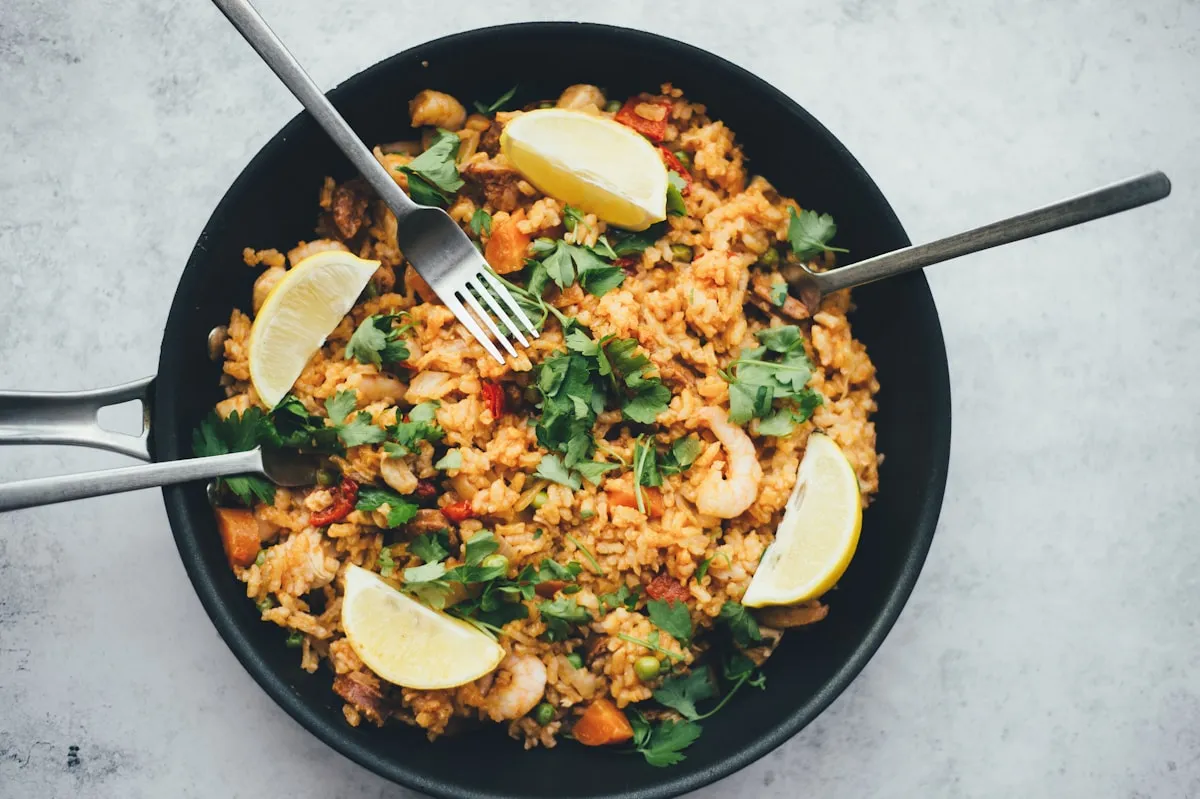
Forget the fancy Michelin-star animations; we are talking about the real, rustic, soul-warming French stew that has fed families for generations without breaking the bank. Ratatouille is the ultimate flex for any home cook because it transforms humble, inexpensive vegetables into a dish that tastes like a summer afternoon in Provence. If you are looking for healthy dinner ideas that don't require a second mortgage or a culinary degree, you’ve landed in the right place. Let's turn that pile of eggplant and zucchini into magic.
The Science of the Sizzle and the Salt
To master a budget-friendly ratatouille, you have to understand the drama of vegetable moisture. Eggplant is essentially a giant sponge made of air pockets. If you throw it straight into a pot, it will soak up every drop of expensive olive oil and then release a watery mess halfway through cooking, leaving you with a soggy disaster. Use osmosis to your advantage. Salt your cubed eggplant and let it sit. The salt draws the water out through the cell walls, collapsing those air pockets. This ensures your eggplant fries rather than steams, giving you that meaty, silky texture that defines a great stew.
Don't skip the Maillard reaction, that beautiful browning of sugars and proteins on the surface of your veggies. Most people fail at ratatouille because they dump everything into the pot at once. This is a culinary crime. Each vegetable has a different water content and a different "sweet spot." Sear your eggplant, zucchini, and peppers separately in a hot pan before they ever meet the tomato base. This high-heat contact creates complex flavor compounds that you simply cannot get from boiling. Think of it as building layers of flavor; you want those charred edges to provide a smokey depth that balances the natural sweetness of the bell peppers.
When it comes to the tomato base, simplicity is king. While many quick family meals rely on jarred sauces, a rustic ratatouille shines with fresh, grated tomatoes. Grating ripe tomatoes directly into the pan allows you to leave the tough skins behind while creating a thick, vibrant pulp that emulsifies with the olive oil. This emulsion is what gives the sauce its "glossy" finish. If you’re cooking on a budget, look for the "ugly" tomatoes at the market, they are often cheaper and perfectly sweet for stewing.
Finally, respect the aromatics. Garlic and onions are the backbone here. Sauté them low and slow until they are translucent and sweet. Avoid burning the garlic at all costs; bitter garlic will ruin the delicate balance of the zucchini. This is about patience, not power. By the time you combine your seared vegetables with the tomato sauce for the final simmer, the hard work is done. You are just letting them get to know each other over a gentle flame.
Mixing It Up: Texture and Heat
Ratatouille is remarkably forgiving, which makes it one of the best healthy dinner ideas for those who like to experiment. If you want to lean into a more Mediterranean vibe, toss in a handful of briny capers or Kalamata olives at the very end. The saltiness of the olives provides a sharp contrast to the jammy sweetness of the slow-cooked peppers. If you prefer a bit of heat, a pinch of crushed red pepper flakes added to the oil before the onions will infuse the entire dish with a subtle, warming glow without overpowering the vegetables.
For those who crave a different texture, try roasting your vegetables instead of pan-searing them. Roasting concentrates the sugars even further, giving the dish a more concentrated, "sun-dried" flavor profile. It’s a great way to save time if you are multitasking in the kitchen. You can even find ways to incorporate these vegetables into other air fryer recipes dinner enthusiasts love, by air-frying the eggplant cubes to get them extra crispy before adding them to the sauce. Just ensure you maintain the balance of acidity; if the dish feels too "heavy" or sweet, a tiny splash of red wine vinegar or a squeeze of fresh lemon juice right before serving will wake everything up.
Perfect Pairings for a Balanced Plate
Ratatouille is a superstar, but every star needs a supporting cast. Because the stew is rich, earthy, and slightly acidic, you want side dishes that offer a neutral, absorbent base or a creamy contrast. A thick slice of toasted sourdough is the traditional choice, you need something sturdy to mop up that glorious tomato and olive oil emulsion. If you want to keep it gluten-free, a bowl of creamy polenta is a match made in heaven. The cornmeal's natural sweetness complements the peppers beautifully.
For a protein boost, serve the ratatouille alongside a piece of flaky white fish or even a simple roasted chicken. The acidity of the tomatoes acts like a built-in sauce for the meat. If you’re looking for more quick family meals, try cracking a few eggs directly into the simmering stew during the last five minutes of cooking (shakshuka style). The creamy yolks add a luxurious richness that turns a simple vegetable dish into a full, satisfying feast that feels much more expensive than it actually is.
FAQ: Solving Your Stew Struggles
Why is my ratatouille so watery?
You likely skipped the searing step or didn't salt your eggplant. Vegetables like zucchini and eggplant are mostly water. If you don't cook that water off or draw it out beforehand, it ends up at the bottom of your pot. Avoid covering the pot with a tight lid for the entire duration; let some of that steam escape so the sauce can reduce and thicken.
Can I make this in an air fryer?
Absolutely. Using an air fryer to prep your vegetables is a great hack for air fryer recipes dinner lovers. It’s essentially high-speed roasting. Toss your cubed veggies in a little oil and air-fry them until the edges are browned, then stir them into your simmering tomato sauce on the stove. It saves time and uses less oil than traditional pan-frying.
Do I really have to peel the eggplant?
No, and you shouldn't! The skin contains most of the nutrients and helps the eggplant cubes hold their shape. Without the skin, the eggplant will likely dissolve into a mushy paste. As long as you cook it properly, the skin becomes tender and delicious.
How long does it keep in the fridge?
Ratatouille is one of those rare dishes that actually tastes better the next day. The flavors continue to meld and deepen as it sits. It will stay fresh in an airtight container for up to 4 or 5 days. You can eat it cold, at room temperature, or reheated: it’s incredibly versatile for meal prep.
My sauce tastes a bit bitter, how do I fix it?
Bitterness usually comes from two places: overcooked garlic or underripe eggplant. If it’s already bitter, don't panic. A tiny pinch of sugar can help neutralize the bitterness, or a bit of extra fat (like a knob of butter or a swirl of high-quality olive oil) can coat the palate and mask those sharp notes. Check out our other cooking guides for more flavor-fixing tips.