Recipe
Servings
Servings 1×
Ingredients
- Tofu
- Noodles
- Carrots
- Zucchini
- Mushrooms
- Spinach
- Peas
- Onion
- Lime
- Cooking oil
- Soy sauce or tamari
- Sesame
- Chili seasoning
Method
- Let’s be honest: the siren call of the takeout menu is loudest when you’re tired, hungry, and staring at a fridge that looks like a desert.
- Start with your "hard" aromatics and root vegetables.
- Use a high-smoke-point oil and keep the ingredients moving.
- Use a pair of tongs to lift and aerate the noodles as they cook; this prevents them from clumping together and ensures even heat distribution.
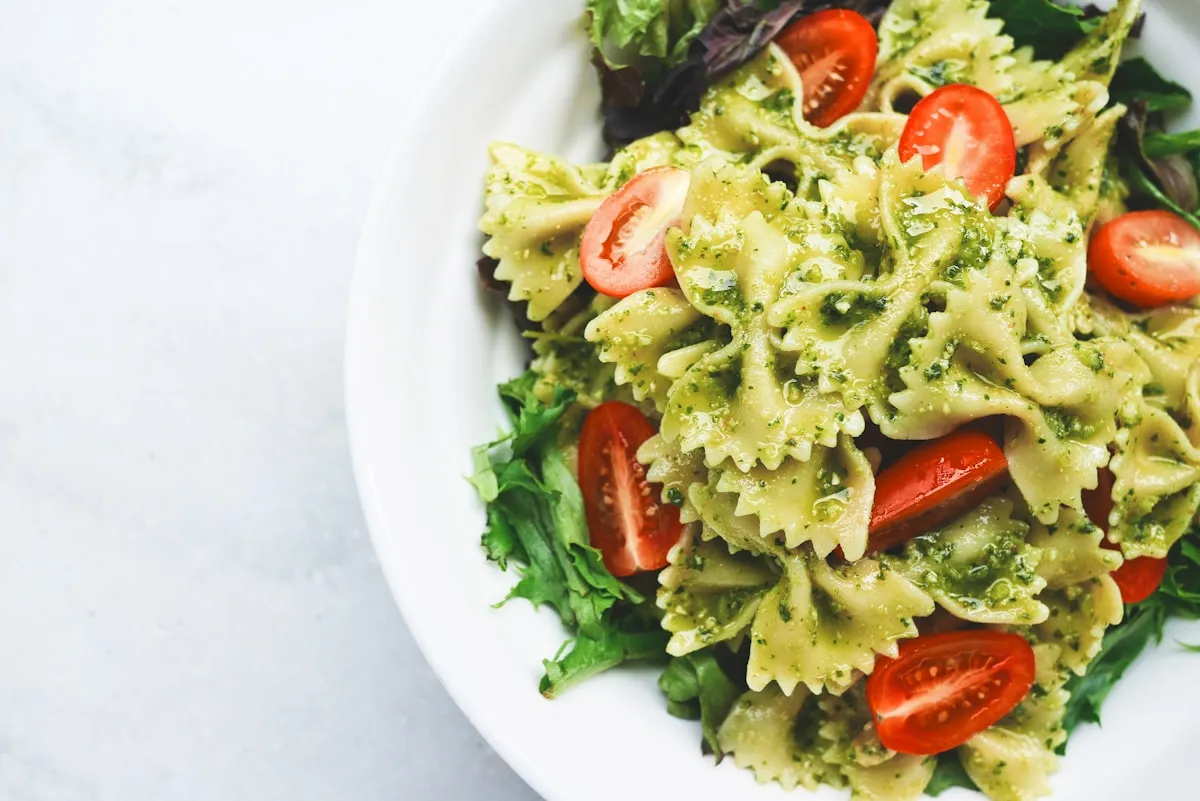
Let’s be honest: the siren call of the takeout menu is loudest when you’re tired, hungry, and staring at a fridge that looks like a desert. But before you drop thirty dollars on a soggy plastic container of noodles, let me introduce you to the ultimate kitchen cheat code. My budget-friendly one-pot vegetable lo mein is the holy grail of quick family meals. It is faster than delivery, uses whatever is lurking in your vegetable drawer, and leaves you with exactly one pan to wash. Grab your favorite skillet; we’re about to turn pantry staples into a weeknight masterpiece.
The Science of the Perfect One-Pot Slurp
Cooking everything in one pot isn't just about avoiding dishes; it’s a strategic move for flavor development. When you boil noodles in a massive pot of salted water, you’re literally pouring the secret to a glossy sauce down the drain. In this one-pot method, the starch that sheds from the noodles stays in the pan. This starch acts as a natural emulsifier, helping your sauce, usually a mix of soy, sesame, and aromatics, cling to every strand rather than pooling at the bottom.
To master this, you must respect the hierarchy of heat. Vegetables have different densities and water contents, which means throwing them all in at once is a recipe for a mushy disaster. Start with your "hard" aromatics and root vegetables. Carrots and onions need time for their sugars to break down and caramelize, a process known as the Maillard reaction. This reaction is what gives your meal that savory, complex depth that defines great healthy dinner ideas. If you toss in delicate snow peas or spinach at the start, they’ll turn into grey sludge by the time your carrots are tender.
Watch your heat levels closely. You aren't stewing these vegetables; you are stir-frying them. Use a high-smoke-point oil and keep the ingredients moving. If the pan gets too crowded, the temperature drops, and the vegetables will start to steam in their own juices. We want a sear, not a soak. Once your noodles go in, they will absorb the liquid and the "fond", those brown, flavor-packed bits stuck to the bottom of the pan. This is where the magic happens. The noodles essentially cook inside the sauce, seasoning them from the inside out.
Check your noodle texture frequently. Because they are simmering in a concentrated liquid rather than plain water, they can go from "perfectly al dente" to "overcooked" in a matter of seconds. Use a pair of tongs to lift and aerate the noodles as they cook; this prevents them from clumping together and ensures even heat distribution. If the liquid evaporates too quickly before the noodles are tender, add a splash of water or broth, but do it sparingly. You want a glossy coating, not a soup.
Flavor Variations for Every Cravings
The beauty of this dish is its "choose your own adventure" nature. While a classic vegetable medley is fantastic, don't be afraid to pivot based on what’s in your pantry. If you want a protein-heavy version without the meat, look toward tofu. I often recommend checking out some of the air fryer recipes dinner fans love to find the perfect crispy tofu technique. Adding cubes of air-fried tofu at the very end provides a structural contrast to the soft noodles.
For those who want a spicy kick, a spoonful of chili crisp or a splash of sriracha in the final minutes of cooking will wake up the entire dish. The acidity from a squeeze of lime can also transform the profile, cutting through the saltiness of the soy sauce and brightening the earthier notes of the mushrooms. If you’re leaning into a more Japanese-inspired profile, swap the lo mein noodles for thick udon and use a dash of mirin for sweetness.
If you are strictly following healthy dinner ideas that prioritize low-carb options, you can even swap half of the noodles for spiralized zucchini or "zoodles." Just be warned: zucchini releases a lot of water, so you’ll need to reduce your initial cooking liquid to compensate. On the flip side, if you have a bag of frozen "stir-fry mix" in the freezer, use it! Frozen vegetables are flash-frozen at peak ripeness and are a budget-friendly way to maintain nutrition without the prep time. Just ensure you cook them quickly on high heat to evaporate any excess frost.
Side Dish Pairings that Pop
While this lo mein is a heavyweight on its own, the right side dish can turn it into a full restaurant-style experience. Since the noodles are rich and savory, you want something with high acidity or a refreshing crunch to balance the palate. A smashed cucumber salad with plenty of garlic and rice vinegar is my go-to. The cool temperature and sharp tang act as a "reset button" for your taste buds between bites of warm noodles.
If you’re looking for more quick family meals to serve alongside, consider a simple plate of blistered shishito peppers or steamed edamame with sea salt. These require almost zero effort but add a level of sophistication to the table. For those who need a bit more "crunch" in their life, try making some air fryer recipes dinner sides like crispy wonton strips or even air-fried green beans. The dry, intense heat of the air fryer provides a texture that you just can't get in the one-pot noodle pan, creating a satisfying contrast that makes the meal feel complete.
One-Pot FAQ: Troubleshooting Your Noodles
What if my noodles are sticking to the bottom of the pan?
This usually happens for two reasons: not enough fat or too much starch. Ensure you use enough oil at the beginning to coat the pan. If the noodles have already started to stick, don't scrape them off forcefully. Instead, add a small splash of water or broth and cover the pan for 30 seconds. The steam will help loosen the stuck bits, which are actually concentrated flavor bombs (the fond). Incorporate them back into the sauce for an extra boost.
Can I use regular spaghetti instead of lo mein noodles?
Absolutely. In the world of healthy dinner ideas, we use what we have. Spaghetti is a very close relative to lo mein noodles in terms of texture. The main difference is that lo mein noodles often contain egg, giving them a richer flavor and yellow tint. If using spaghetti, boil them for about two minutes less than the package instructions before adding them to your "one-pot" vegetable base, as they take slightly longer to absorb liquid than fresh Asian noodles.
Why did my vegetables turn out soggy instead of crisp?
You likely overcrowded the pan or didn't use high enough heat. When you put too many cold vegetables into a pan at once, the temperature of the metal drops significantly. Instead of searing, the vegetables begin to leak their internal moisture and steam. Avoid this by cooking in batches if your pan is small, or simply cranking the heat to the max and keeping the vegetables moving constantly.
My sauce is too thin and won't stick to the noodles. What now?
If you find yourself with a pool of liquid at the bottom of the pan, don't panic. Remove the lid and increase the heat to a high simmer. This will evaporate the excess water while concentrating the sugars and starches. If you’re in a rush, a tiny slurry of cornstarch and water (mixed 1:1) stirred into the bubbling sauce will thicken it into a glossy glaze in seconds. This is a classic technique used in many quick family meals to get that perfect "cling."
Is it possible to make this gluten-free?
Yes, and it’s surprisingly easy. Swap the soy sauce for tamari or coconut aminos, and use rice noodles or gluten-free spaghetti. Keep in mind that rice noodles are much more delicate and require less liquid and time to cook. They can go from perfect to mush in a heartbeat, so stay vigilant!
For more inspiration on how to keep your kitchen running smoothly without breaking the bank, explore our other healthy dinner ideas and join the Cookpedia community. Cooking shouldn't be a chore: it should be the best part of your day. Now, get to the kitchen and start slurping!