Recipe
Servings
Servings 1×
Ingredients
- Chicken
- Steak
- Tofu
- Chickpeas
- Black beans
- Beans
- Quinoa
- Rice
- Greek yogurt
- Tortillas
- Potatoes
- Sweet potatoes
- Spinach
- Greens
- Corn
- Cucumber
- Avocado
- Apple
Method
- Let’s be real for a second: your wallet is screaming for a break, but your stomach is demanding a party.
- Let's get into how to make these the right way.
- Keep the filling to a modest half-inch thickness and leave a small border around the edge of the tortilla.
- Use a half-moon fold rather than stacking two whole tortillas; it’s much easier to manage, flip, and cut.
- Use a wide spatula, support the folded edge, and let gravity do the work.
- Press down gently after the flip to ensure the newly melted cheese makes full contact with the toasted tortilla.
Let’s be real for a second: your wallet is screaming for a break, but your stomach is demanding a party. Finding budget friendly recipes that don’t taste like cardboard can feel like a full-time job. Enter the black bean and corn quesadilla. It’s cheap, it’s fast, and it’s surprisingly sophisticated once you nail the crunch. I’m talking about a crispy, golden exterior protecting a gooey, protein-packed heart. Pair it with a silky avocado dip, and you’ve got a meal that looks expensive but costs less than your morning latte. Let's get into how to make these the right way.
Mastering the Crunch: The Science of the Perfect Quesadilla
Making a quesadilla seems like child's play, but there is a distinct difference between a soggy, lukewarm tortilla and a masterpiece of structural integrity. To achieve that restaurant-quality crunch, you need to understand the Maillard reaction. This is the chemical reaction between amino acids and reducing sugars that gives browned food its distinctive flavor. If your heat is too low, you just dry out the tortilla; if it’s too high, you burn the outside before the cheese even thinks about melting. Aim for a steady medium-medium-low heat (around 325–350°F). This sweet spot ensures the cheese hits its melting point, roughly 160°F, at the exact moment the tortilla turns that beautiful sunset gold.
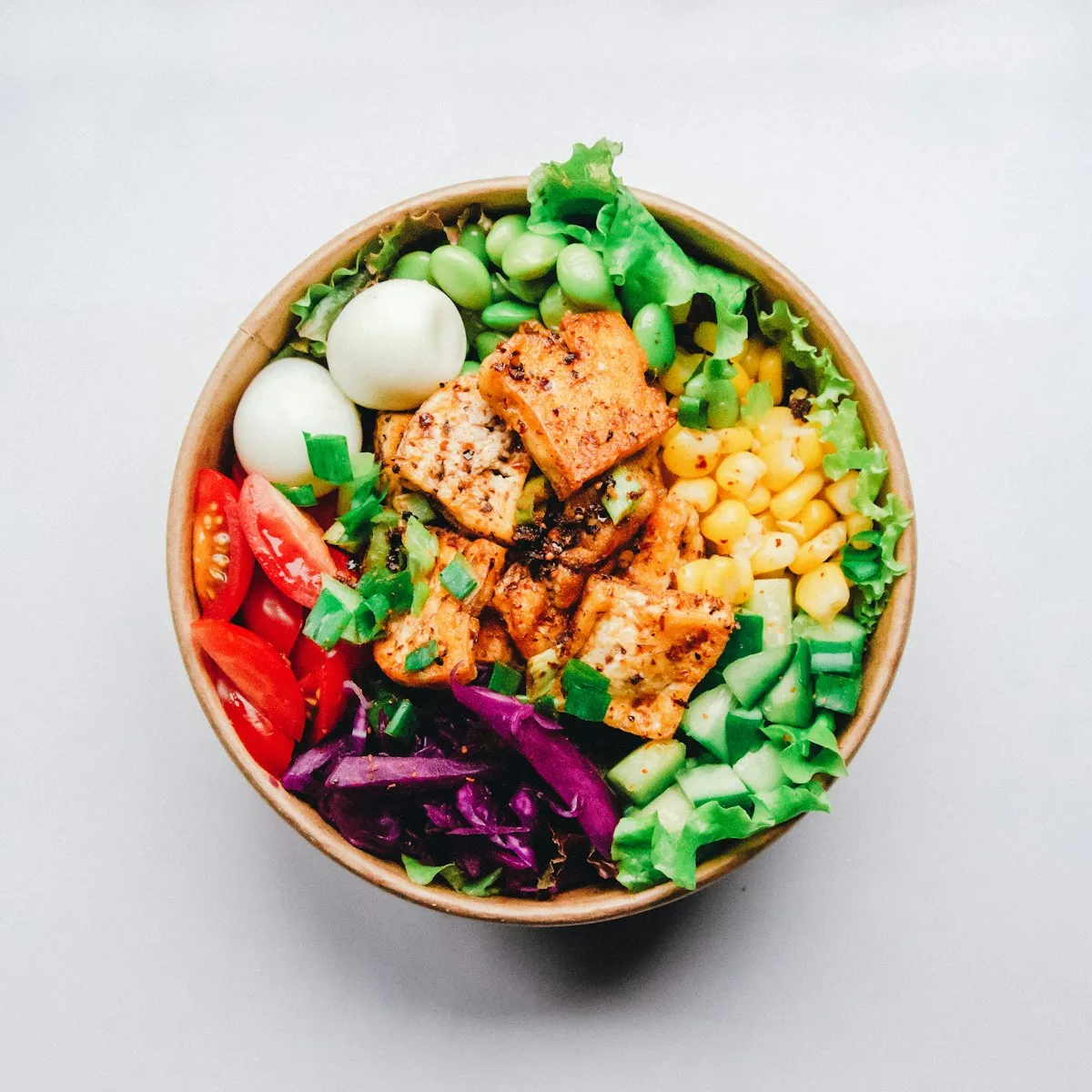
One of my biggest non-negotiables for easy dinner recipes is moisture control. If you dump a can of beans directly onto a tortilla, you’re basically making a bean-flavored wet sponge. Drain your beans. Then, drain them again. Better yet, pat them dry with a towel. The same goes for the corn. I highly recommend tossing your corn kernels into a dry pan for a few minutes before they ever touch the tortilla. This cooks off excess water and slightly chars the sugars in the corn, adding a smoky depth that makes people think you actually spent more than five minutes on this.
Now, let’s talk about the "glue." Cheese isn’t just there for flavor; it’s the structural engineer of the quesadilla. For the best results, buy a block of cheese and shred it yourself. Pre-shredded cheese is coated in cellulose (wood pulp, essentially) to prevent clumping in the bag. That pulp also prevents it from melting into a cohesive, gooey bond. When you assemble, use a three-layer system: a thin layer of cheese, then your bean and corn filling, then another thin layer of cheese. This "cheese sandwich" approach ensures the top and bottom tortillas are physically locked to the filling. It’s the difference between a clean flip and a bean explosion all over your stovetop.
Finally, don't overstuff. I know it's tempting to pack in as much goodness as possible, but an overfilled quesadilla is a mess waiting to happen. Keep the filling to a modest half-inch thickness and leave a small border around the edge of the tortilla. Use a half-moon fold rather than stacking two whole tortillas; it’s much easier to manage, flip, and cut. When you flip, do it with confidence. Use a wide spatula, support the folded edge, and let gravity do the work. Press down gently after the flip to ensure the newly melted cheese makes full contact with the toasted tortilla. This is how you turn simple ingredients into one of your favorite plant-based dinner ideas.
Flavor Variations to Keep Things Fresh
If you’ve mastered the basics, it’s time to start experimenting with flavor profiles to keep your weekly rotation exciting. These quesadillas are a fantastic blank canvas. For a smokier vibe, add a teaspoon of chipotle in adobo sauce to your bean mixture. The heat cuts through the richness of the cheese perfectly. If you have some leftover roasted sweet potatoes in the fridge, mash them in with the black beans. The natural sweetness of the potato pairs beautifully with the earthy beans and salty cheese, creating a much heartier texture.
If you’re moving away from strictly plant-based dinner ideas and have some leftover chicken or steak, shred it finely and toss it in. However, keep the pieces small. The goal is a uniform bite where every ingredient is distributed evenly. You can also swap the cheese. While sharp cheddar is the budget hero, a mix of Monterey Jack and a little smoked gouda can transform the dish into something much more complex. Don't be afraid to add fresh herbs like cilantro or even a pinch of dried oregano directly into the cheese layer to aromaticize the fat as it melts.
Another favorite variation is the "Mediterranean Twist." Swap the black beans for chickpeas and the corn for chopped sun-dried tomatoes and spinach. Use a mix of mozzarella and feta for the cheese. It’s a completely different flavor world but uses the same fundamental techniques. Just remember: if you use greens like spinach, sauté them first to squeeze out every drop of moisture. Water is the enemy of the crunch, and we are in the business of crunch.
Perfect Side Dish Pairings for Balance
A great quesadilla is heavy on fat and carbs, which is why your side dishes should focus on acidity and brightness. You want something that cleanses the palate between those cheesy bites. A simple citrus-based slaw is my go-to. Shred some cabbage, toss it with lime juice, a splash of apple cider vinegar, and a pinch of salt. The crunch of the raw cabbage provides a textural contrast to the soft filling of the quesadilla, and the acid cuts right through the richness of the melted cheese.
If you want something a bit more filling, consider a light quinoa or rice salad. Mix cooked grains with plenty of chopped parsley, diced cucumber, and a sharp lemon vinaigrette. It keeps the meal within the realm of budget friendly recipes because grains are incredibly cheap when bought in bulk. Avoid heavy, cream-based sides like potato salad; you already have the "creamy" factor covered with the avocado dip.
Speaking of the dip, it’s the star of the show. If you find avocados are a bit pricey this week, you can stretch your dip by blending it with a little bit of Greek yogurt or silken tofu. This adds a protein boost and creates a much larger volume of dip without sacrificing that signature green color or creamy mouthfeel. Check out our Vegetarian Dinner Recipes section for more pairing inspiration.
FAQ: Solving Your Quesadilla Conundrums
What if my tortillas keep tearing when I fold them?
This usually happens because the tortillas are cold and brittle. Before you start filling, pop your tortilla in the hot pan for about 10–20 seconds per side. The heat relaxes the gluten and makes the tortilla pliable. If you’re using corn tortillas, this step is absolutely mandatory, as they are much more prone to cracking than flour ones.
Can I make these ahead of time for meal prep?
You can, but don't expect them to stay crispy in the fridge. The best way to meal-prep these is to prepare the bean and corn filling in a large batch and keep it in an airtight container. When you're ready for one of those easy dinner recipes, just assemble and fry it fresh. It takes five minutes and tastes ten times better than a microwaved leftover. If you must reheat a pre-made one, use a toaster oven or a dry skillet, never the microwave.
Is there a way to make these even cheaper?
Absolutely. Buy dry black beans instead of canned. It takes a bit more planning (soaking and boiling), but the cost per serving drops significantly. Also, check the frozen aisle for corn; it’s often cheaper than canned and maintains a better "pop" texture when sautéed. Buying block cheese on sale and freezing it (yes, you can freeze cheese!) is another pro-tip for keeping costs down.
How do I prevent the avocado dip from turning brown?
Science to the rescue! The browning is caused by oxidation. To slow it down, you need to limit the surface area exposed to air and add an antioxidant like lime or lemon juice. If you’re storing the dip, press a piece of plastic wrap directly onto the surface of the dip so there are no air bubbles. The acid in the citrus also helps maintain the vibrant green color while adding that necessary "zing" to the flavor profile.
Can I use a different bean?
Yes, pinto beans or kidney beans work well. However, black beans are the gold standard here because their smaller size allows them to pack more tightly, making for a more stable quesadilla. If you use larger beans, give them a rough mash with a fork first so they don't roll out of the tortilla like marbles when you try to take a bite.
{“@type”:”BlogPosting”,”image”:[“https://cdn.marblism.com/l6fdZ08eg9w.webp”,”https://cdn.marblism.com/p6GUzBnveGL.webp”,”https://cdn.marblism.com/fhpEH3oa2YG.webp”,”https://cdn.marblism.com/fvf1tOmCdCm.webp”],”author”:{“name”:”Penny”,”@type”:”Person”},”@context”:”https://schema.org”,”headline”:”Budget-Friendly Recipes: Black Bean and Corn Quesadillas with Avocado Dip”,”keywords”:”budget friendly recipes, easy dinner recipes, plant-based dinner ideas”,”publisher”:{“logo”:{“url”:”https://cdn.marblism.com/KxroJ1kM_KA.webp”,”@type”:”ImageObject”},”name”:”Cookpedia”,”@type”:”Organization”},”description”:”Learn how to make perfectly crispy black bean and corn quesadillas on a budget. Includes scientific tips for the perfect crunch and a creamy avocado dip guide.”,”datePublished”:”2026-07-20″,”mainEntityOfPage”:{“@id”:”https://cookpedia.com/budget-friendly-black-bean-corn-quesadillas”,”@type”:”WebPage”}}