Recipe
Servings
Servings 1×
Ingredients
- Chicken
- Pork
- Ground turkey
- White beans
- Beans
- Mushrooms
- Spinach
- Kale
- Tomatoes
- Onion
- Garlic
- Lemon
- Cream
- Hard cheese
- Chorizo
- Salt
Method
- Start by rendering the fat out of your sausage over medium heat.
- Sear the meat until it develops a deep, golden-brown crust through the Maillard reaction, that wonderful chemical dance between amino acids and reducing sugars that creates savory depth.
- Use a wooden spoon to scrape up those precious browned bits stuck to the bottom of your pot.
- Cook your onions and garlic gently so their cellular walls break down, releasing natural sugars into the fat.
- Start with slightly less liquid than you think you need; you can always add a splash more if the beans drink up too much moisture during the simmer.
- Season incrementally, stir well, and check your palate before serving.
If your weekly grocery budget is crying out for mercy and you need something deeply comforting that won’t break the bank, look no further. This one-pot wonder transforms humble pantry staples into an absolute masterpiece. Whether you are swapping out your usual air fryer recipes dinner routine or craving deep comfort food, this hearty stew is your ultimate savior when you want quick family meals that feel like a warm hug after a long day. Forget spending hours over the stove or shelling out cash for fancy ingredients; let's dive into the science and technique of making the best bowl of stew you'll taste all year.
The Chemistry of Flavor Extraction and Thermal Control
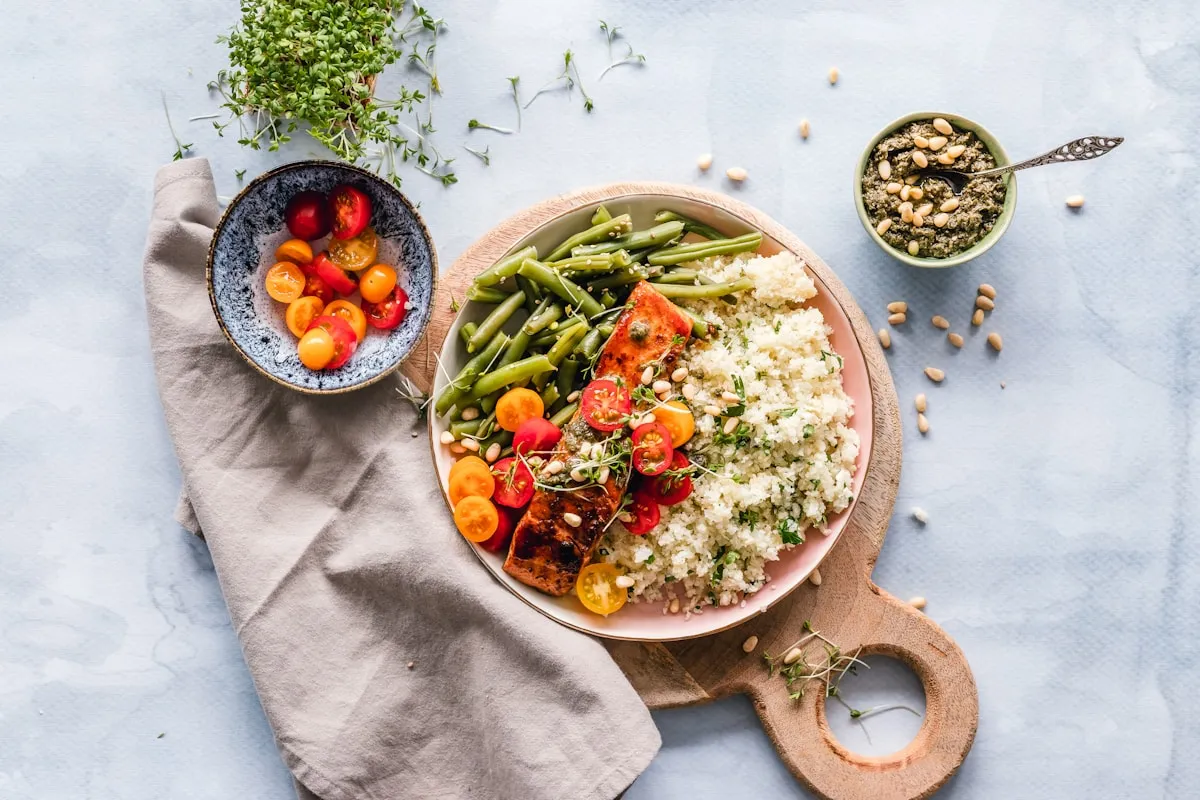
When you set out to build a legendary stew in a single pot, every single step matters. Do not rush the foundation. Start by rendering the fat out of your sausage over medium heat. Sear the meat until it develops a deep, golden-brown crust through the Maillard reaction, that wonderful chemical dance between amino acids and reducing sugars that creates savory depth. Use a wooden spoon to scrape up those precious browned bits stuck to the bottom of your pot. Those caramelized bits are pure flavor gold; never wash them away!
Next, consider your aromatics. Cook your onions and garlic gently so their cellular walls break down, releasing natural sugars into the fat. If you are searching for healthy dinner ideas that pack maximum nutritional punch without sacrificing flavor, bean-and-sausage stews are unbeatable. Cannellini or Great Northern beans are nutritional powerhouses loaded with soluble fiber and plant-based protein. When simmering, keep the lid off for the final ten minutes. This evaporation allows excess water to escape, concentrating the starches released from the beans and creating a naturally velvety broth without needing heavy cream or flour slurries.
Furthermore, temperature control is your best friend. A gentle simmer beats a violent boil every single time. Boiling breaks down the delicate structure of the beans into mush, whereas a low, steady bubble coaxes out a creamy emulsion between the rendered fats and the starch-rich cooking liquid. When you are looking for reliable quick family meals that still taste like they simmered all afternoon, mastering this gentle heat transfer is non-negotiable.
Pay close attention to your starch-to-liquid ratio. Too much broth results in a watery soup rather than a hearty stew. Start with slightly less liquid than you think you need; you can always add a splash more if the beans drink up too much moisture during the simmer. Invest in a heavy-bottomed Dutch oven or thick cast-iron pot. Heavy cookware distributes thermal energy evenly, preventing hot spots that can scorch your garlic or bitter your tomato base. Respect the pot, respect the heat, and your stew will reward you with extraordinary depth.
Always taste and adjust seasoning at the very end. Salt enhances water retention and draws out subtle herbal notes from your Italian seasoning, but remember that sausage and canned beans already contain sodium. Season incrementally, stir well, and check your palate before serving. Add a splash of acid, like a squeeze of fresh lemon juice just before ladling, to brighten up the rich savory notes.
Flavor Variations and Smart Ingredient Swaps
Variety keeps home cooking exciting, especially when you are cycling through quick family meals week after week. If you want to lean into a vibrant, plant-heavy profile, swap half the sausage for earthy cremini mushrooms and toss in two packed cups of baby spinach or lacinato kale right at the end. The greens will wilt into the broth within minutes, adding vibrant color and essential micronutrients.
For a smoky, Mediterranean twist, substitute sweet Italian sausage with spicy chorizo or smoked paprika-rubbed chicken sausage, and stir in a handful of briny kalamata olives or sun-dried tomatoes during the simmer. If you are exploring various healthy dinner ideas, you can even replace the traditional pork sausage with lean turkey sausage without losing any of that savory satisfaction. Play with dried herbs like rosemary or thyme to shift the aromatic profile depending on what is currently hiding in your pantry.
Do not be afraid to experiment with acid profiles either. A splash of dry white wine poured right after browning the meat can deglaze the pot and add sophisticated complexity, while a final shower of freshly grated Parmesan cheese introduces umami richness that ties every single spoonful together.
Side Dish Pairings: Balancing Richness with Brightness
A robust stew deserves stellar sidekick accompaniments to create a balanced dining experience. Because Italian sausage and bean stews lean savory, rich, and hearty, you need elements that cut through that weight. Serve your bowls alongside a bright, acidic arugula salad tossed in a sharp lemon-vinaigrette. The peppery bite of the greens and the citrus punch counterbalance the richness of the pork fat.
Alternatively, bake a warm skillet of cornbread or slice up a crusty artisanal sourdough loaf to mop up every last drop of flavorful broth. If you are planning air fryer recipes dinner nights where quick side items matter, you can quickly toss asparagus or broccoli florets into your air fryer with a squeeze of lemon and garlic powder. The char and crispness from the air fryer offer a fantastic textural contrast to the velvety softness of the stew.
Frequently Asked Questions
Can I use dried beans instead of canned ones?
Yes, absolutely! If you have extra time, soak one cup of dry cannellini beans overnight and pre-boil them until tender before adding them to your stew. However, canned beans are a fantastic shortcut for weeknight efficiency, providing identical creaminess with zero advance planning.
What should I do if my stew turns out too watery?
Do not panic. Remove the lid and let the stew simmer vigorously for another five to ten minutes to evaporate excess moisture. Alternatively, mash a quarter cup of the white beans against the side of the pot with your wooden spoon; the released starches will naturally thicken your broth in minutes.
Is this recipe suitable for meal prepping?
It is one of the absolute best dishes for meal prep. Prepare a double batch on Sunday, portion it into glass containers, and you will have comforting lunches ready to go all week long.
How long does this stew last in the refrigerator?
Store your cooled stew in an airtight container in the fridge for up to four days. In fact, stews often taste even better on day two after the flavors have fully married overnight. Reheat gently on the stovetop with a splash of broth or water to restore the ideal consistency.
Can I freeze this stew for later?
You bet. This stew freezes like an absolute dream for up to three months. Ladle it into freezer-safe containers, leaving a little headspace for expansion. Thaw overnight in the refrigerator before reheating on the stove. Just note that delicate greens like spinach are best stirred in fresh after thawing rather than frozen.