Recipe
Servings
Servings 1×
Ingredients
- Chickpeas
- Greek yogurt
- Potatoes
- Cauliflower
- Carrots
- Zucchini
- Spinach
- Kale
- Cucumber
- Apple
- Onion
- Lemon
- Feta
- Cooking oil
- Chili seasoning
Method
- Use two pans if you have to.
- Let’s talk about those chickpeas.
- Use a clean kitchen towel and roll them around until they are matte and bone-dry.
- Roast them on a separate tray from the vegetables.
- Toss your chickpeas in smoked paprika and cumin before roasting.
- Use a sharp vinaigrette: lots of lemon juice or apple cider vinegar: to provide a high-note that cuts through the starchiness of the chickpeas and pita.
If you think budget-friendly cooking means settling for bland, mushy meals, you’ve been doing it wrong. Home cooking is about transformation, and there is no better example of culinary alchemy than turning a humble can of chickpeas and some seasonal produce into a vibrant, texture-rich dinner. These roasted vegetable and chickpea pita pockets are my go-to when the fridge looks empty but my standards remain high. They are crunchy, savory, and incredibly satisfying without requiring a single expensive "specialty" ingredient.
The Science of the Sheet Pan: Roasting for Maximum Flavor
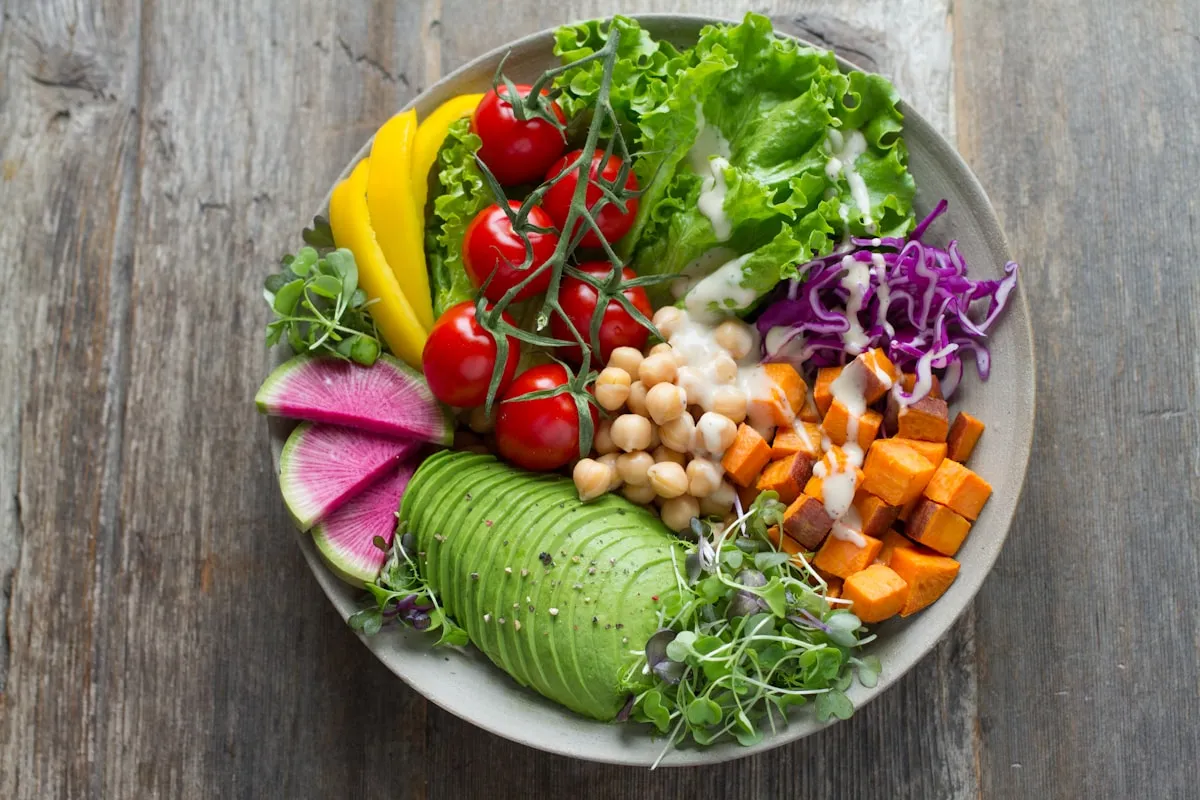
Getting that perfect "crunch" isn't luck; it’s physics. When we roast at high temperatures: specifically between 400°F and 425°F: we are looking for two major reactions: the Maillard reaction and evaporation. The Maillard reaction is the chemical dance between amino acids and reducing sugars that creates that deep, savory "browned" flavor. If your oven is too cool, your vegetables will simply steam in their own juices, leading to a texture that is more "nursery food" than gourmet pita filling.
Don't crowd the pan. This is my absolute non-negotiable rule. If you pile your chopped carrots, onions, and zucchini too high, the moisture released during cooking has nowhere to go. It gets trapped, creating a steam bath that prevents browning. Use two pans if you have to. If you're looking for healthy dinner ideas that actually satisfy, texture is your best friend. A crowded pan is the enemy of texture.
Let’s talk about those chickpeas. To get them truly crispy: enough to hold their own against soft roasted peppers: you must dry them. Use a clean kitchen towel and roll them around until they are matte and bone-dry. Any surface moisture will spend its energy evaporating rather than crisping. Roast them on a separate tray from the vegetables. Vegetables release a lot of water as they break down, and that humidity will ruin your chickpeas' chances of becoming crunchy little flavor bombs.
If you are a fan of air fryer recipes dinner fans love, you can apply these same principles. The rapid air circulation of an air fryer is essentially a super-powered convection oven. It excels at the "dry heat" requirement for chickpeas, though you’ll need to work in batches to ensure the air can actually reach every surface of your ingredients. Whether using a traditional oven or an air fryer, the goal is the same: eliminate moisture and maximize surface contact with heat.
Finally, consider the cut. Density determines timing. Your potatoes and carrots should be diced smaller than your bell peppers and onions. Why? Because a carrot is a dense root that needs more time for the heat to penetrate its core. By cutting them smaller, you ensure they finish roasting at the same time as the softer, water-heavy vegetables. It’s about synchronizing your finish line so nothing ends up burnt or raw.
Flavor Variations: Beyond the Basics
The beauty of this template is its versatility. Once you master the roasting technique, you can pivot the flavor profile to suit whatever you have in the pantry. If you want a Mediterranean vibe, lean heavily on dried oregano, lemon zest, and perhaps some crumbled feta (if the budget allows). The acidity of the lemon cuts through the earthiness of the chickpeas beautifully.
For those who crave something with more kick, try a spicy harissa or smoky chipotle version. Toss your chickpeas in smoked paprika and cumin before roasting. The heat from the spices blooms in the oil on the sheet pan, coating the vegetables in a fragrant, spicy glaze. This is one of those quick family meals that can be easily customized; keep one tray mild for the kids and go heavy on the chili flakes for the adults.
Don't ignore the "fridge-clearing" potential of this dish. Have half a head of cauliflower? Toss it in. A lone sweet potato? Cube it up. Even sturdy greens like kale can be added to the sheet pan in the last five minutes of roasting to create crispy "chips" that add another layer of crunch to your pita. The goal is a balance of sweet (roasted onions/carrots), earthy (chickpeas), and bright (herbs or citrus).
Perfect Pairings: Balancing the Bite
A stuffed pita is a self-contained meal, but a side dish can elevate the experience from a quick lunch to a complete dinner. Because the roasted filling is rich, savory, and warm, you want a side that offers contrast. Think acidity, freshness, and raw crunch.
A simple arugula or spinach salad is the classic choice. Use a sharp vinaigrette: lots of lemon juice or apple cider vinegar: to provide a high-note that cuts through the starchiness of the chickpeas and pita. If you want something heartier, a chilled cucumber and yogurt salad (think Tzatziki style) provides a cooling element that is particularly refreshing if you’ve gone heavy on the roasting spices. Avoid heavy, starchy sides like potato salad; you already have plenty of "heft" inside the pita. You want something that cleanses the palate between bites.
FAQ: Troubleshooting Your Roast
What if my chickpeas are still soft after roasting?
This usually happens for one of two reasons: they weren't dry enough when they went into the oven, or you used too much oil. Oil is a heat conductor, but too much of it can actually deep-fry the exterior while leaving the interior damp. Next time, double-dry them with a towel and ensure they have plenty of breathing room on the tray. If they're already out of the oven and soft, you can pop them back in under the broiler for 60 seconds: but watch them like a hawk!
Can I use dried chickpeas instead of canned?
Absolutely, and it’s even more budget-friendly! However, you must soak and boil them first until they are tender. Do not try to roast dried chickpeas straight from the bag, or you’ll be making a very expensive trip to the dentist. Once they are cooked and cooled, follow the same drying and roasting steps as you would for canned ones.
My pita bread always tears when I try to stuff it. Help!
Pita bread becomes brittle as it sits on the shelf. The secret to a flexible, stuff-able pita is steam. Wrap your pitas in a damp paper towel and microwave them for 15–20 seconds, or wrap them in foil and place them in the warm oven for a few minutes while the veggies finish. The heat and moisture soften the gluten, making the "pocket" much more pliable and less prone to shattering.
How do I store leftovers without everything getting mushy?
Store the roasted vegetables and the chickpeas in separate airtight containers in the fridge. The vegetables will naturally release a bit of moisture as they sit, and if the chickpeas are in the same container, they will absorb it and lose their crunch. When you're ready to eat, reheat the components in a toaster oven or air fryer rather than the microwave to restore that "just-roasted" texture.
Why do my vegetables look shriveled instead of browned?
You likely didn't use enough oil, or your oven temperature was too low. Without enough oil to facilitate heat transfer, the vegetables just dehydrate (shrivel) rather than caramelizing. Make sure every piece has a thin, glistening coat of oil before they hit the heat.
{“@type”:”BlogPosting”,”image”:”https://cdn.marblism.com/CuW0m2_D7n_.webp”,”author”:{“name”:”Cookpedia”,”@type”:”Organization”},”@context”:”https://schema.org”,”headline”:”Budget-Friendly Recipes: Roasted Vegetable and Chickpea Pita Pockets”,”publisher”:{“logo”:{“url”:”https://cookpedia.com/logo.png”,”@type”:”ImageObject”},”name”:”Cookpedia”,”@type”:”Organization”},”description”:”Learn the science and technique behind making perfectly roasted vegetable and chickpea pita pockets. A budget-friendly, healthy dinner idea for busy weeknights.”,”datePublished”:”2026-07-28″,”mainEntityOfPage”:{“@id”:”https://cookpedia.com/budget-friendly-roasted-vegetable-chickpea-pita-pockets”,”@type”:”WebPage”}}