Recipe
Servings
Servings 1×
Ingredients
- Chickpeas
- Black beans
- Beans
- Cauliflower
- Avocado
- Apple
- Lemon
- Tahini
- Feta
- Cooking oil
- Sesame
- Turmeric
- Chili seasoning
- Salt
Method
- Use a large baking sheet and avoid overcrowding the pan.
- Give them space to breathe.
- Use a high-smoke-point oil like avocado or grapeseed oil to handle the high heat without burning and becoming bitter.
- Heat is your best friend when looking for healthy dinner ideas that don't taste like cardboard.
- Use this technique to elevate even the most basic pantry staples.
- Whisk some harissa paste into your oil before roasting.
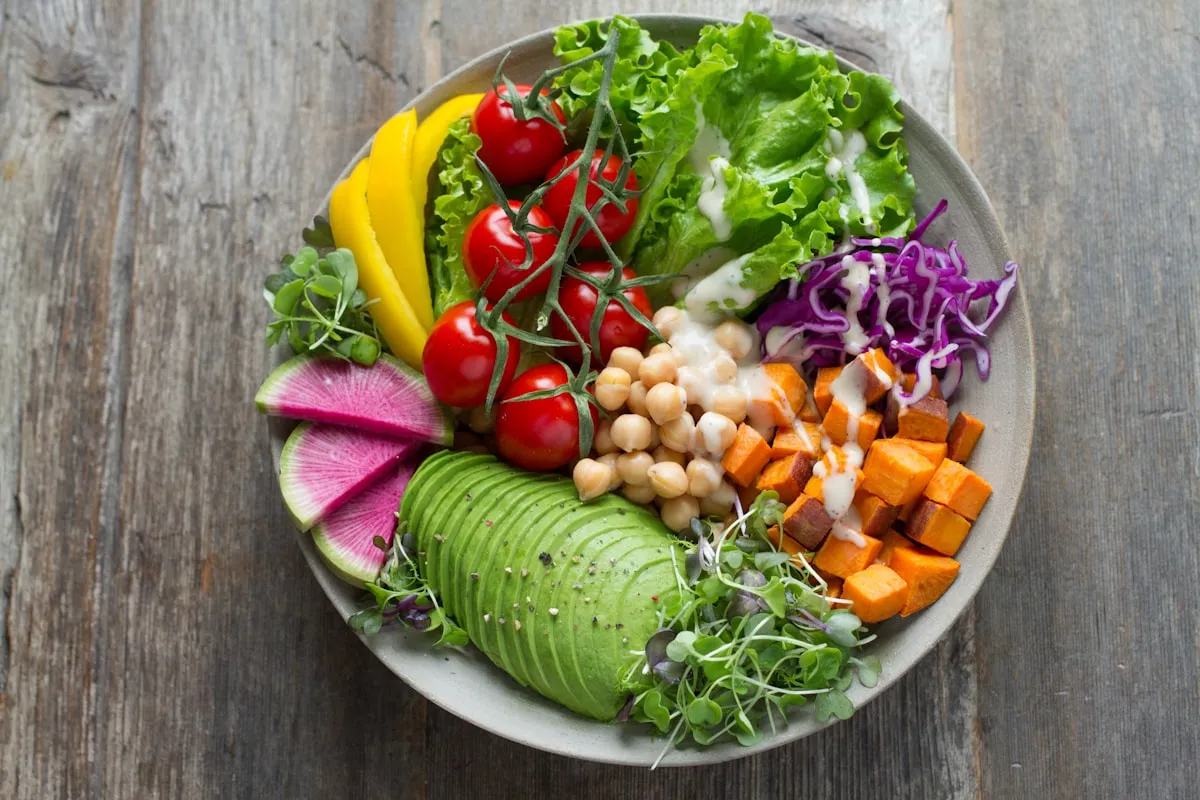
You probably think "budget-friendly" means a sad bowl of plain beans, but I’m here to tell you that’s a lie. If you have a head of cauliflower and a can of chickpeas, you’re about thirty minutes away from a meal that tastes like it came out of a high-end bistro. This salad is the ultimate proof that you don't need a massive grocery budget to eat like royalty. It’s soulful, filling, and uses simple ingredients to create complex, punchy flavors that will make you forget you’re eating vegetables.
The Science of the Perfect Roast
To get that restaurant-quality char, you need to understand the Maillard reaction. This is the chemical reaction between amino acids and reducing sugars that gives browned food its distinctive flavor. When you roast cauliflower at a high temperature, think 400°F or higher, the natural sugars caramelize, turning a bland vegetable into something nutty and sweet. Use a large baking sheet and avoid overcrowding the pan. If you pile the florets on top of each other, they will steam instead of roast, leaving you with a mushy mess. Give them space to breathe.
Moisture is the enemy of the crunch. When it comes to chickpeas, you must dry them thoroughly. Don't just drain the can; roll them around in a clean kitchen towel until every bit of water is gone. Any leftover moisture will create steam in the oven, preventing that satisfying "pop" and crunch we're looking for. Check the chickpeas halfway through the cooking time to ensure they aren't sticking. Use a high-smoke-point oil like avocado or grapeseed oil to handle the high heat without burning and becoming bitter.
Heat is your best friend when looking for healthy dinner ideas that don't taste like cardboard. While the oven is traditional, don't sleep on your air fryer. If you're looking for air fryer recipes dinner options, this salad transitions perfectly. The concentrated hot air of an air fryer speeds up the Maillard reaction, giving you even crispier chickpeas in about half the time. Just keep an eye on the cauliflower, as it can go from "perfectly charred" to "charcoal" very quickly in that small basket.
Seasoning isn't just about throwing salt at the problem. You need to "bloom" your spices. When you toss your cauliflower and chickpeas in oil and spices before they hit the heat, the fat carries the flavor deep into the ingredients. The heat of the oven or air fryer activates the essential oils in spices like cumin, paprika, and turmeric, making them much more aromatic than if you sprinkled them on at the end. Use this technique to elevate even the most basic pantry staples.
Flipping the Script: Flavor Variations
Once you master the base of roasted cauliflower and chickpeas, you can take this dish in a dozen different directions. If you want to lean into Mediterranean vibes, toss the finished salad with some feta cheese, kalamata olives, and a heavy squeeze of lemon. The acidity of the lemon cuts through the richness of the roasted vegetables, creating a balanced bite that feels incredibly fresh.
For those who want a bit more heat, try a spicy harissa version. Whisk some harissa paste into your oil before roasting. The chili heat pairs beautifully with the natural sweetness of the cauliflower. This version is one of those quick family meals that satisfies the "I want something exciting" craving without requiring a trip to a specialty store. You can even swap the chickpeas for black beans or edamame if that’s what you have in the pantry, the roasting technique remains exactly the same.
If you’re looking for a creamier finish, a tahini-based dressing is non-negotiable. Tahini is essentially ground sesame seeds, and it adds a rich, velvety texture that makes the salad feel much more substantial. Mix it with a little maple syrup and apple cider vinegar for a dressing that hits every taste bud. It’s a great way to keep things plant-based while adding enough fat to keep you full until breakfast.
Side Dish Pairings for a Balanced Plate
While this salad is a powerhouse on its own, pairing it with the right side dish can turn it into a full-blown feast. Since the salad is warm and earthy, you want something light or grainy to provide a textural contrast. A fluffy bed of quinoa or couscous works wonders here. The small grains soak up any extra dressing and add a delicate bite that complements the crunch of the chickpeas.
If you’re not strictly plant-based, a side of Greek yogurt mixed with fresh dill and garlic makes for a cooling dip that balances the roasted spices. The tanginess of the yogurt acts as a palate cleanser between bites of the savory cauliflower. For a more rustic approach, serve the salad alongside some warm, toasted pita bread. Use the bread to scoop up the roasted bits and any leftover tahini dressing at the bottom of the bowl, it’s the best part, trust me.
Don't forget about acidity. A simple side of pickled red onions or a crisp cucumber salad can provide the "bright" notes needed to lift the heavy, roasted flavors. Think about balance: if your main dish is cooked and savory, your side should ideally be raw and acidic. It’s the secret to making a simple meal feel like a curated experience.
FAQ: Roasting Like a Pro
What if my chickpeas don't get crunchy?
The most common culprit is moisture. If you didn't dry them enough, they won't crunch. Also, check your oven temperature; if it's too low, they'll just bake and get tough rather than crispy. Ensure you are using a high enough heat (400°F/200°C) and don't skip the oil. Oil is a heat conductor; without it, the surface of the chickpea won't reach the temperatures needed for that crisp exterior.
Can I make this ahead of time?
You can, but there's a catch. Roasted cauliflower holds up well in the fridge and can be reheated easily. However, chickpeas will lose their "crunch" as they sit and absorb moisture from the other ingredients. If you're meal prepping, store the roasted chickpeas in a separate, airtight container at room temperature and add them back in right before you eat. This keeps your healthy dinner ideas from becoming a soggy disappointment the next day.
Can I use frozen cauliflower?
Yes, but you have to be careful. Frozen cauliflower has a much higher water content. If you throw it straight into the oven, it will release a ton of water and turn into mush. To combat this, roast it from frozen at an even higher temperature (about 425°F) and use a wire rack over your baking sheet if you have one. This allows the air to circulate under the florets, helping the moisture evaporate faster.
Is this recipe actually "budget friendly"?
Absolutely. On average, a head of cauliflower and a can of chickpeas will cost you less than five dollars. When you compare that to the cost of meat-based proteins, it’s a massive saving. By focusing on quick family meals that use pantry staples like spices and oils, you’re keeping the cost per serving incredibly low without sacrificing the "soulful" quality of the food.
Check out more of our accessible recipes at Cookpedia to find other ways to turn humble ingredients into extraordinary meals. We specialize in making "real food" reachable for every home cook, no matter your skill level or budget. Happy roasting!