Recipe
Servings
Servings 1×
Ingredients
- Chicken
- Pork
- Tofu
- Chickpeas
- Pasta
- Noodles
- Eggs
- Broccoli
- Carrots
- Spinach
- Kale
- Greens
- Onion
- Garlic
- Fresh ginger
- Cooking oil
- Chili seasoning
- Black pepper
Method
- Let’s talk about the backbone of any good lo mein: the noodle.
- Use a large pot of salted water and pull them out just before they reach their peak softness.
- Toss them with a tiny splash of neutral oil right after draining.
- Stir-frying is a game of speed and temperature.
- Start with your "hard" vegetables: think carrots, onions, and the thick stems of broccoli.
If you think you need a plane ticket to Shanghai or an expensive pantry full of niche oils to get a restaurant-quality noodle fix, you’re doing it wrong. My kitchen philosophy is built on one simple truth: the best meals usually come from the back of the cupboard and a few humble vegetables. This vegetable lo mein is the crown jewel of budget friendly recipes because it transforms basic pasta and a handful of fridge-clearing produce into a savory, glossy masterpiece in under twenty minutes. It’s the ultimate solution for those nights when you want something better than takeout but don't want to spend more than five dollars on the whole pan.
The Science of the Perfect Noodle Texture
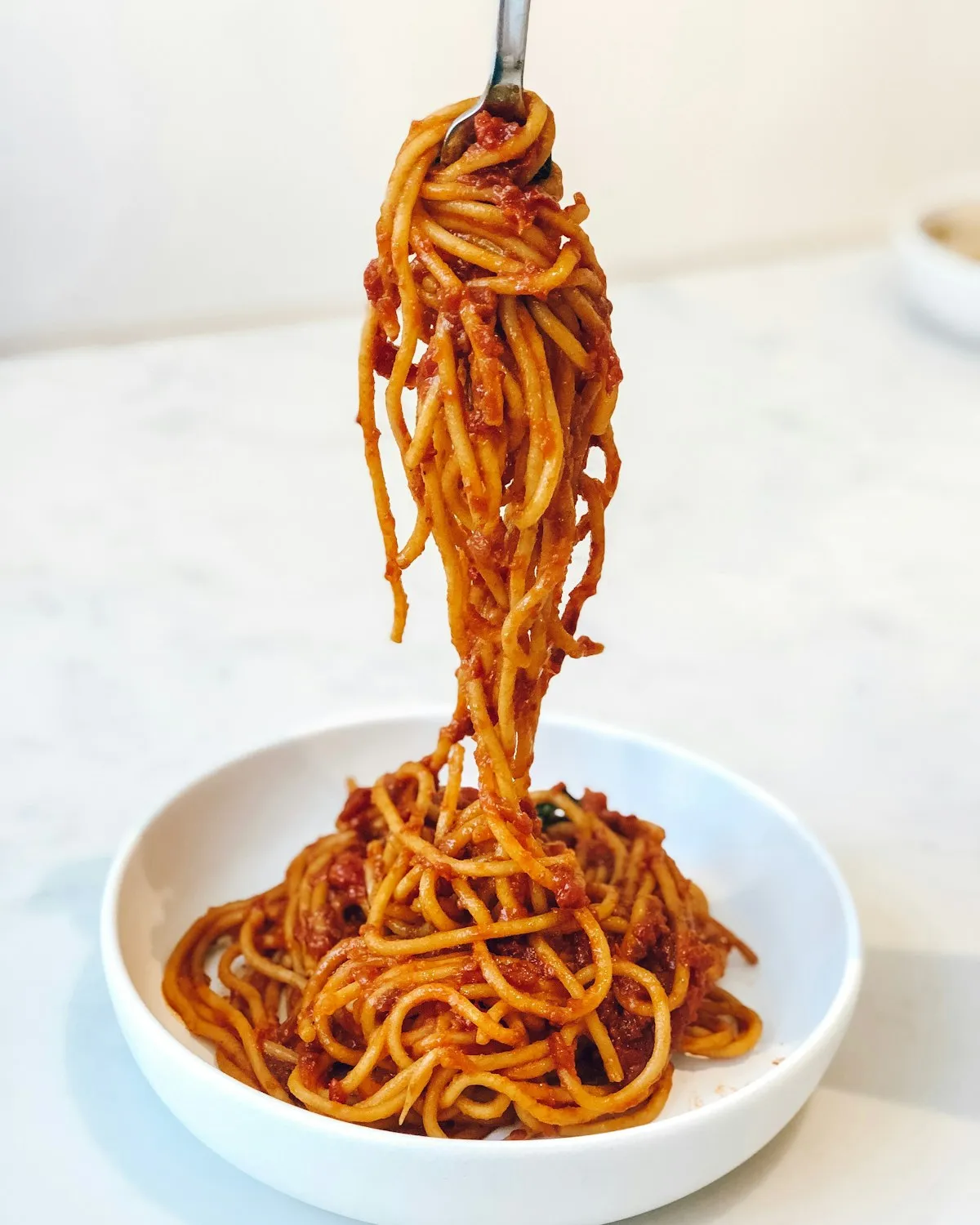
Let’s talk about the backbone of any good lo mein: the noodle. While traditionalists might insist on fresh egg noodles, I’m here to tell you that high-quality dried wheat noodles: even common spaghetti or linguine: can work wonders if you treat them with respect. The secret to that iconic lo mein chewiness isn't the brand of the noodle; it’s the moisture management.
Noodles are like sponges. If you overboil them in the first stage, they’ll become mushy the moment they hit the sauce. You must cook them al dente: or even slightly under-done. Use a large pot of salted water and pull them out just before they reach their peak softness. Immediately rinse them under cold water. This stops the residual heat from overcooking them and washes away excess surface starch. If you skip the rinse, you’ll end up with a gummy, clumpy mess. Toss them with a tiny splash of neutral oil right after draining. This acts as a barrier, preventing them from fusing together while you prep your vegetables. This step is a non-negotiable part of creating quick family meals that actually taste professional.
When the noodles hit the hot pan later, they should be relatively dry. This allows them to "fry" slightly in the sauce rather than steaming. This interaction between the noodle's surface and the high heat is what creates that deep, savory flavor profile we all crave. It’s a chemical dance called the Maillard reaction, and it only happens when you keep the moisture levels in check.
Mastering Heat and Wok Technique
Stir-frying is a game of speed and temperature. You don’t need a high-end wok to pull this off, but you do need a heavy-bottomed skillet and a fearless approach to heat. The goal is to cook the vegetables quickly so they retain their vibrant color and "snap" while infusing the oil with aromatics like garlic and ginger.
Always heat your pan until it’s nearly smoking before adding your oil. If the oil doesn’t shimmer and ripple instantly, the pan isn't hot enough. Start with your "hard" vegetables: think carrots, onions, and the thick stems of broccoli. These require more time to break down their cellulose structures. Avoid the urge to crowd the pan. If you pile too many cold vegetables in at once, the temperature of the pan will plummet, and your vegetables will begin to stew in their own juices. We want a sear, not a soup.
Keep everything moving. The word "stir-fry" is literal; if the vegetables sit still for more than a few seconds, they’ll scorch rather than brown. Once your hard vegetables have softened slightly but still have a bite, add your "tender" greens like cabbage or spinach. These only need a minute or two to wilt. This layered approach to cooking ensures that every bite has a varied texture, making it one of the most satisfying healthy dinner ideas in your rotation.
Finally, the sauce and the slurry. Most budget friendly recipes fail because the sauce stays at the bottom of the bowl. By adding a small amount of cornstarch to your sauce base, you create a slurry that thickens instantly upon hitting the heat. This allows the sauce to cling to every individual strand of noodle, ensuring that the flavor is evenly distributed rather than pooling at the bottom. It’s a simple mechanical trick that elevates a basic dish into something truly soulful.
Flavor Variations and Pantry Swaps
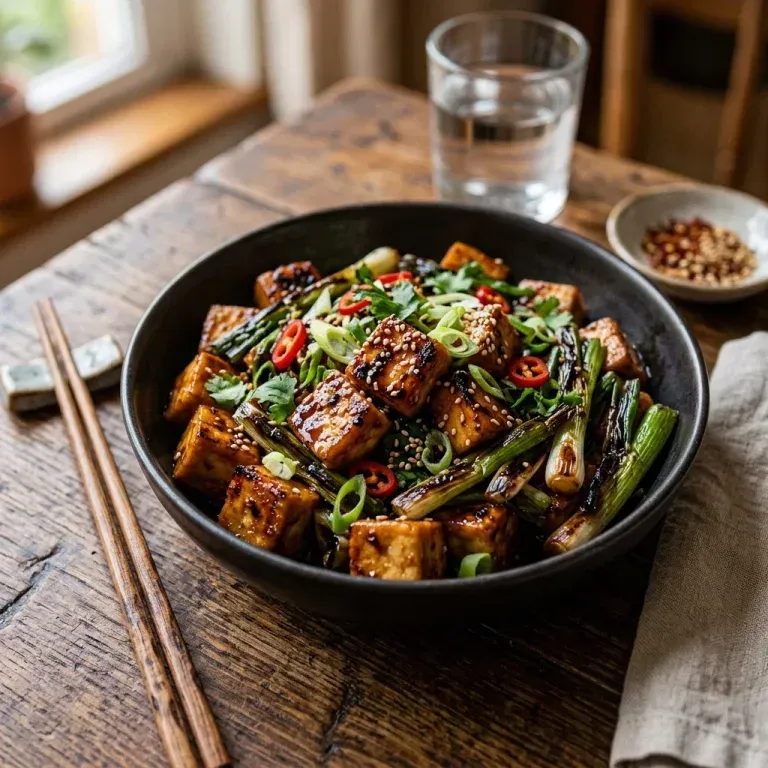
One of the reasons I love lo mein is its incredible versatility. Once you have the basic technique down, you can adapt it to whatever is lurking in your crisper drawer. If you’re looking to add more protein without breaking the bank, consider adding a scrambled egg or some pan-seared tofu. Tofu is particularly great because its porous nature allows it to soak up the lo mein sauce like a sponge. Just make sure to press the moisture out of the tofu beforehand so it gets a nice crust in the pan.
For those who want a bit of a kick, a dollop of chili garlic sauce or a pinch of red pepper flakes added with the aromatics will transform the dish into a spicy variation. If you happen to have leftover roasted chicken or pork, slice it thin and toss it in at the very end just to warm it through. This is an excellent way to use up leftovers while maintaining a vegetarian dinner base for the bulk of the meal.
Don't be afraid to experiment with different greens. Bok choy, kale, or even thinly sliced Brussels sprouts can replace the traditional cabbage. The key is to maintain the ratio of noodles to vegetables to ensure a balanced bite. If you find yourself frequently making air fryer recipes dinner style, you can even air-fry some crispy kale or chickpeas to top the bowl for an added layer of crunch.
Side Dish Pairings for a Balanced Meal
While vegetable lo mein is a complete meal on its own, adding a bright, acidic side dish can really make the savory flavors of the soy-based sauce pop. I highly recommend a quick smashed cucumber salad. The cooling effect of the cucumber and the sharpness of a vinegar-based dressing provide a necessary contrast to the rich, salty noodles. It cleanses the palate and makes the whole meal feel much lighter.
If you’re looking for something more substantial, a simple plate of steamed broccoli with a drizzle of sesame oil or a side of edamame works perfectly. The goal with pairings is to find balance. Since the lo mein is quite savory and soft in texture, your side dishes should be crisp and slightly acidic. Avoid serving it with other heavy, starch-based sides; instead, focus on fresh, green additions that emphasize healthy dinner ideas and provide nutritional variety.
Frequently Asked Questions
What if my noodles always stick together?
This is almost always a result of excess starch. Make sure you are using a large enough pot of water so the starch can dilute. Most importantly, you must rinse the noodles under cold running water immediately after draining. If they sit in a colander while hot, the remaining starch will act like glue. A tiny teaspoon of oil tossed into the cold noodles will keep them separated until you’re ready to fry them.
Can I use frozen vegetables for this?
Absolutely. In fact, frozen mixed vegetables are a staple of budget friendly recipes. The trick is to add them directly to the hot pan while still frozen. Don't thaw them first, as they will release too much water and turn the dish soggy. Use high heat to evaporate the ice crystals quickly and get that necessary sear.
Why is my sauce too thin?
If your sauce is pooling at the bottom of the pan, you either didn't use enough cornstarch or the pan wasn't hot enough for the starch to gelatinize. Cornstarch needs to reach a simmer to activate its thickening powers. Give the sauce a good stir before pouring it in, as the starch often settles at the bottom of the bowl.
How do I store and reheat leftovers?
Lo mein actually makes for great leftovers. Store it in an airtight container for up to three days. When reheating, avoid the microwave if possible, as it can make the noodles rubbery. Instead, toss the noodles back into a hot skillet with a tablespoon of water or broth to loosen the sauce and revive the texture.
Can I make this gluten-free?
Yes! Simply swap the wheat noodles for rice noodles or a gluten-free spaghetti alternative. Ensure your soy sauce is replaced with tamari or coconut aminos. Keep in mind that rice noodles are much more delicate, so you’ll need to be even more careful not to overcook them during the initial boiling phase.
Is lo mein actually healthy?
When you load it with vegetables and control the amount of oil and sugar in the sauce, it’s a very balanced quick family meal. It provides a good mix of complex carbohydrates and fiber from the veggies. For an even healthier version, use whole-wheat noodles or increase the vegetable-to-noodle ratio.
{“@type”:”BlogPosting”,”image”:”https://cdn.marblism.com/ddNZyXgX1d7.webp”,”author”:{“name”:”Penny”,”@type”:”Person”},”@context”:”https://schema.org”,”headline”:”Budget-Friendly Vegetable Lo Mein”,”publisher”:{“logo”:{“url”:”https://cookpedia.com/logo.png”,”@type”:”ImageObject”},”name”:”Cookpedia”,”@type”:”Organization”},”description”:”Learn the science behind the perfect budget-friendly vegetable lo mein. Using pantry staples and simple techniques, create a restaurant-quality meal in under 20 minutes.”,”datePublished”:”2026-07-08″,”mainEntityOfPage”:{“@id”:”https://cookpedia.com/budget-friendly-vegetable-lo-mein”,”@type”:”WebPage”}}