Recipe
Servings
Servings 1×
Ingredients
- Tofu
- Lentils
- Chickpeas
- Black beans
- Beans
- Eggs
- Bread
- Spinach
- Garlic
- Fresh ginger
- Lime
- Honey
- Coconut milk
- Butter
- Salt
Method
- Let’s start with the beans.
- Use just enough water or vegetable stock to keep the beans moist, then stir in the miso to create a thick, savory glaze.
- Start with white miso: it’s the "training wheels" of the miso world.
If you’re anything like me, the mid-morning "stomach growl" is a recurring villain in your daily schedule. You eat a bowl of cereal or a quick piece of toast at 8:00 AM, and by 10:30 AM, you’re ready to eat your keyboard. We’ve been conditioned to think breakfast must be sweet or bread-based, but the secret to staying powered until lunch might actually be hiding in a tub of fermented soybean paste. Enter the miso-bean breakfast, a savory, umami-packed solution that is quickly becoming my favorite way to start the day.
The Science of the Satiety Trifecta
Why exactly does a bowl of beans and miso keep you full longer than almost anything else? It comes down to what I call the Satiety Trifecta: fiber, protein, and probiotics. When you’re looking for easy healthy breakfasts, you want a meal that hits all three without requiring an hour of kitchen labor.
Let’s start with the beans. Whether you prefer cannellini, chickpeas, or navy beans, these little powerhouses are loaded with resistant starch and soluble fiber. Fiber is the ultimate "fullness" regulator; it slows down the rate at which your stomach empties, meaning those energy-boosting carbohydrates enter your bloodstream in a steady trickle rather than a massive spike and crash.
Pair those beans with the protein found in miso, and you’ve created a chemical signal to your brain that says, "We’re good for a while." Miso is made from fermented soybeans, and that fermentation process is the real MVP here. It breaks down the complex proteins into amino acids and peptides, making them incredibly easy for your body to absorb. But more importantly, miso is a living food. It contains Aspergillus oryzae, a probiotic strain that works wonders for gut health. A happy, balanced gut microbiome is linked to better appetite regulation. When your gut isn't inflamed and your blood sugar is stable, you won’t find yourself reaching for a sugary snack two hours after eating.
The technique here is simple: never boil your miso. If you subject those delicate probiotics to high heat, you’re essentially killing off the very thing that makes this meal a functional powerhouse. Always stir your miso into the warm beans at the very end, once they’ve come off the heat. This preserves the enzymes and the "good" bacteria that help your body process the meal efficiently. If you enjoy experimenting with fermented flavors, you might also find inspiration in our guide to the viral garlic butter ramen hack, which uses similar umami-heavy techniques to elevate a simple pantry staple.
Navigating the Bean and Miso Landscape
Not all miso-bean combinations are created equal, and part of mastering quick healthy meals is knowing which ingredients to swap based on your goals. For a lighter, more delicate morning meal, reach for White Miso (Shiro Miso). It has a shorter fermentation time and a sweeter, milder flavor that pairs beautifully with buttery cannellini beans or even soft-cooked chickpeas.
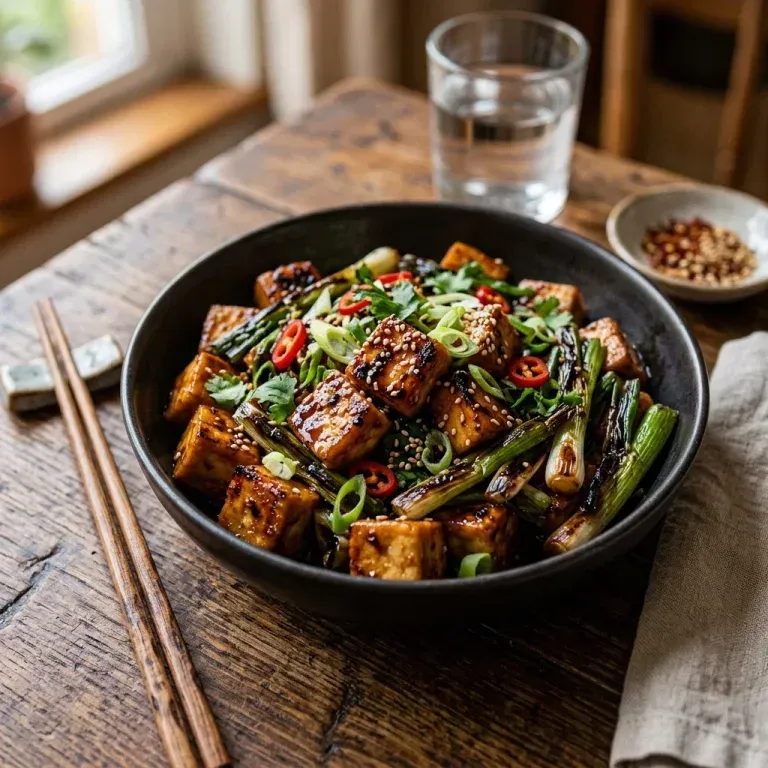
If you’re someone who wakes up craving a more intense, robust flavor profile, Red Miso (Aka Miso) is your best friend. It’s fermented longer, giving it a deep, salty punch that stands up well to heartier legumes like black beans or kidney beans. If you find the flavor of pure beans a bit too heavy, try incorporating some silken tofu. Tofu is essentially the "bean curd" version of the soy family, and adding it to your miso bowl provides a different texture while keeping the protein count high. Check out our tofu stir-fry bowl concepts if you want to see how tofu can be a game-changer for plant-based satiety.
Another variation involves the "bean base" itself. While canned beans are the ultimate shortcut for quick healthy meals, don't sleep on leftovers. If you have a scoop of lentils or even some edamame from the night before, they can easily be folded into a warm miso-broth. The key is variety; rotating your fiber sources ensures you’re getting a wide spectrum of nutrients, keeping your digestive system on its toes.
Perfect Pairings for a Balanced Bowl
A bowl of beans is great, but a meal requires balance. Miso is inherently salty and rich, so you need to pair it with something that offers acidity or crunch to prevent the palate from getting bored.
I almost always top my miso beans with something green and fresh. A handful of baby spinach wilted into the warm beans or a generous sprinkle of sliced scallions provides a necessary "bite." For acidity, a small squeeze of lime juice or a few ribbons of pickled ginger can cut through the richness of the fermented soy.
If you aren't strictly plant-based, a jammy, soft-boiled egg is the gold standard of pairings. The runny yolk creates a creamy sauce when mixed with the miso, making the whole dish feel much more indulgent than it actually is. For those who want a meatier start to the day, consider serving your miso beans alongside some air fryer breakfast sausages. The snap of a well-cooked sausage provides a textural contrast to the soft beans, and the air fryer keeps the prep-work to a minimum.
Satiety & Miso: Your Questions Answered
Isn't miso too salty for a healthy breakfast?
Miso is high in sodium, but it’s also very potent. You only need about a teaspoon or two to flavor an entire bowl of beans. Furthermore, research suggests that the fermentation process might actually mitigate some of the hypertensive effects usually associated with high-salt diets. If you’re concerned, look for "low sodium" miso varieties and avoid adding any extra salt to your beans while they cook.
Can I prep these miso beans in advance?
Absolutely. You can rinse and store your beans in the fridge for 3-4 days. However, I recommend waiting until you are ready to eat before adding the miso paste. Reheating miso multiple times in the microwave can destroy the probiotics. Instead, heat the beans first, then stir in the miso paste just before serving. It only takes thirty seconds and ensures you get the full health benefits.
I’m not a fan of soup for breakfast. Can I make this "dry"?
Yes! You don't need a liter of broth to enjoy this. Use just enough water or vegetable stock to keep the beans moist, then stir in the miso to create a thick, savory glaze. This "dry" version is perfect for topping a piece of sourdough toast or stuffing into a breakfast burrito for one of your easy healthy breakfasts on the go.
Do I have to use Japanese ingredients?
While miso is Japanese, the concept of "beans for breakfast" is global. You’re essentially creating a hybrid of British baked beans and Japanese soup. Feel free to use whatever beans you have in your pantry. The science of the fiber-protein combo works whether you’re using heirloom beans from a local farm or a 70-cent can from the grocery store.
What if the flavor is too strong for me in the morning?
Start with white miso: it’s the "training wheels" of the miso world. It’s much sweeter and creamier than the red or brown versions. You can also mellow the flavor by adding a splash of coconut milk or a tiny bit of honey. The goal is to make a meal you actually enjoy eating, so don't be afraid to tweak the ratios until it tastes right to you. For more ideas on how to round out your morning, peek at our Lazy Sunday Breakfast Bake for inspiration on incorporating more vegetables into your first meal of the day.