Recipe
Servings
Servings 1×
Ingredients
- Rice
- Cauliflower
- Salt
Method
- Let’s be honest: the first time most of us tried making cauliflower fried rice, we didn’t end up with a fluffy bowl of keto-friendly goodness.
- Use a large, wide skillet or a wok to maximize the surface area.
- Keep the layer thin and the heat high.
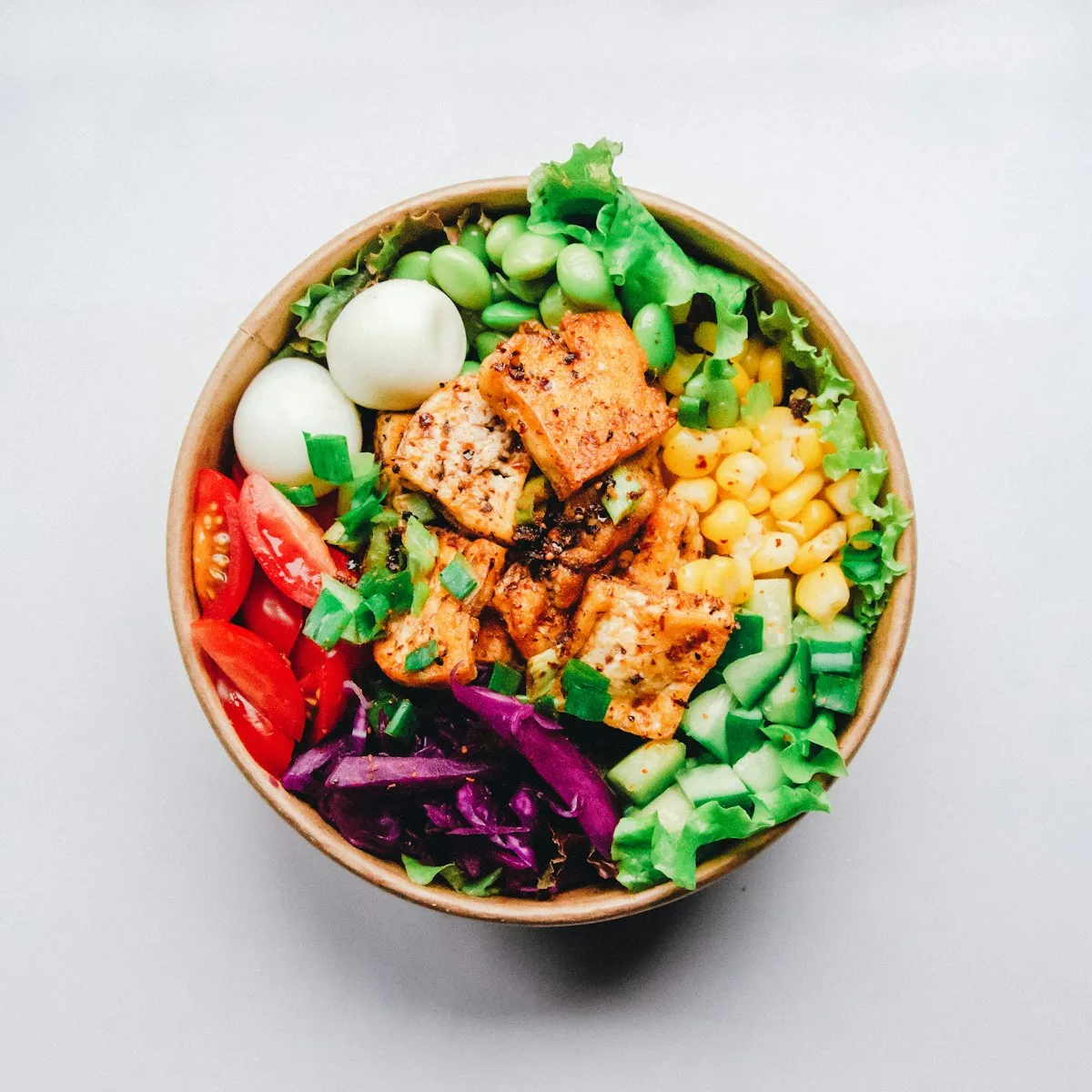
Let’s be honest: the first time most of us tried making cauliflower fried rice, we didn’t end up with a fluffy bowl of keto-friendly goodness. We ended up with a sad, sulfurous porridge. It’s a common culinary tragedy, but it doesn’t have to be your reality. If you’re looking for healthy dinner ideas that actually satisfy that takeout craving without the carb-induced coma, you’ve come to the right place. Mastering this dish is a rite of passage for anyone exploring keto recipes for beginners, and once you nail the moisture control, you’ll never look back.
The Science of the Squeeze: Mastering Moisture Control
The secret to perfect cauliflower rice isn't in the seasoning; it’s in the physics of the vegetable itself. Cauliflower is roughly 92% water. When you chop it into tiny bits, you’re essentially creating thousands of tiny escape hatches for that water to leak out as soon as heat is applied. If you treat it like traditional grain rice, which requires water to hydrate, you’ve already lost the battle. Cauliflower doesn't need hydration; it needs dehydration.
Dry Heat is Your Best Friend
Avoid steaming or boiling at all costs. To get that signature "fried" texture, you must use dry heat. Think of your pan as a dehumidifier. Use a large, wide skillet or a wok to maximize the surface area. If you crowd the pan, the steam released from the bottom layer gets trapped by the layer above it, effectively poaching your "rice" in its own juices. Keep the layer thin and the heat high.
The Salt Trap
Be careful with when you add salt. Salt draws out moisture through osmosis. If you salt the cauliflower the moment it hits the pan, you’ll trigger a flood of vegetable water that will turn your dinner into a swamp. Instead, wait until the very end of the cooking process to season. This allows the exterior of the cauliflower to brown and crisp up before the internal moisture is pulled to the surface.
Pre-Cooking Prep
Check the moisture levels before the heat even enters the equation. If you’re using fresh cauliflower, pat the florets completely dry after washing and before ricing. If you’re using a food processor, use the pulse setting. Over-processing turns the vegetable into a paste, which is a one-way ticket to Mush-Town. Aim for distinct, grain-sized pieces that can stand up to the heat.
The Maillard Reaction
To achieve those golden, nutty bits that make fried rice so addictive, you need the Maillard reaction. This chemical reaction between amino acids and reducing sugars requires temperatures above 285°F (140°C). If there is standing water in your pan, the temperature will never rise above the boiling point of 212°F. Evaporate the moisture first, then let the "rice" sit undisturbed for a minute or two to develop that crucial crust.
Variations to Keep Your Palate Guessing
Once you’ve mastered the base technique, the world is your oyster, or your cauliflower. This dish is one of the most versatile quick family meals because it adapts to whatever is lingering in your crisper drawer.
- The Kimchi Kick: Fold in some chopped kimchi and a splash of gochujang at the very end. The acidity of the fermented cabbage cuts through the richness of any added fats and provides a probiotic punch.
- Mediterranean Style: Swap the soy sauce for lemon zest, garlic, and fresh parsley. Toss in some feta and sun-dried tomatoes for a bright, tangy profile that pairs beautifully with grilled proteins.
- Bacon and Brussels: Shred some Brussels sprouts alongside the cauliflower. The fat from the bacon helps to "fry" the vegetable grains, adding a smoky depth that makes this feel far more indulgent than it actually is.
- The Breakfast Scramble: Use cauliflower rice as a base for a breakfast bowl. Top it with avocado, a runny egg, and a drizzle of hot sauce. It's a fantastic way to start the day with a heavy serving of micronutrients without the mid-morning sugar crash.
Side Dish Pairings: Finding the Balance
Since cauliflower fried rice is relatively light, you want pairings that offer contrasting textures or bold, fatty flavors to keep the meal satisfying.
Avoid serving it with other watery vegetables. Instead, opt for something with a crunch. Crispy air-fried tofu or a Kielbasa and Pepper roast provides a sturdy protein anchor. If you're looking for air fryer recipes dinner enthusiasts love, try pairing your rice with sesame-crusted salmon or spicy chicken skewers. The concentrated heat of the air fryer creates a charred exterior that mimics the "fried" nature of the rice.
For a refreshing contrast, a simple arugula and cherry tomato salad with a sharp vinaigrette helps to cleanse the palate between bites of savory, soy-seasoned rice. The goal is to balance the earthy sweetness of the cauliflower with acidity and salt.
FAQ: Solving Your Cauliflower Conundrums
Can I use frozen cauliflower rice?
Yes, but you have to change your strategy. Never thaw frozen cauliflower rice before cooking. Thawing collapses the cellular structure, releasing all the water at once. Instead, throw the frozen grains directly into a screaming hot pan. The goal is to flash-evaporate the ice crystals before they can turn into liquid water.
Why does my cauliflower rice smell so strong?
Cauliflower is a cruciferous vegetable, which means it contains sulfur-rich compounds. When overcooked, these compounds break down and release that distinct "cabbagey" aroma. The solution is speed. Treat cauliflower rice like a stir-fry; it only needs 3–5 minutes of actual cook time. If you smell it getting pungent, it’s already overdone.
What is the best oil to use?
Choose an oil with a high smoke point. Avocado oil or refined coconut oil are excellent choices. Avoid extra virgin olive oil for this specific high-heat application, as it will smoke and turn bitter before the cauliflower has a chance to brown. A tiny drizzle of toasted sesame oil added after cooking provides that classic aroma without the risk of burning.
Is it really "keto"?
Absolutely. One cup of cauliflower rice contains about 5 grams of carbs (roughly 2 grams of fiber), compared to the 45 grams of carbs in a cup of white rice. It’s one of the most effective keto recipes for beginners because it mimics the volume and mouthfeel of a high-carb staple, making the transition to low-carb eating much more sustainable.
How do I store leftovers without them getting soggy?
Store leftovers in an airtight container with a folded paper towel on top. The paper towel will absorb any residual moisture as the dish cools in the fridge. When reheating, avoid the microwave if possible. A quick 2-minute toss in a dry skillet will revive the texture far better than the "steam box" of a microwave.
Can I make this in an air fryer?
You certainly can, and it’s a great addition to your rotation of air fryer recipes dinner options. Toss the "rice" with a small amount of oil and spread it in a thin layer on a piece of parchment paper (with holes for airflow). Roast at 400°F for 8–10 minutes, shaking halfway through. The circulating air is incredibly efficient at removing moisture, resulting in a very crispy "grain."
Do I need to squeeze the water out with a cheesecloth?
If you are making a pizza crust, yes. For fried rice, it’s usually overkill as long as you follow the dry-heat method. However, if you find your specific brand of frozen rice is particularly wet, a quick squeeze in a clean kitchen towel before hitting the pan can be a life-saver. Just remember: moisture is the enemy of the crunch!