Recipe
Servings
1 1×
Serves 1Prep 3 minCook 2 minTotal 5 min
Ingredients
- 31 g plain flour, approximately ¼ cup
- 25 g granulated sugar, approximately 2 tablespoons
- 7 g unsweetened cocoa powder, approximately 1 tablespoon
- ¼ teaspoon baking powder
- ⅛ teaspoon fine salt
- 3 tablespoons milk
- 1 tablespoon neutral oil or melted unsalted butter
- ⅛ teaspoon vanilla extract
- 1 teaspoon chocolate chips, optional
- Vanilla ice cream or extra chocolate chips, to serve, optional
Method
- Prepare the mug. Use a clean, microwave-safe mug with a capacity of at least 300 ml. Lightly grease the inside if you plan to remove the cake from the mug. Greasing is not required if you will eat it directly from the mug.
- Combine the dry ingredients. Add the flour, sugar, cocoa powder, baking powder, and salt to the mug. Stir thoroughly with a small spoon or fork. Break up any cocoa lumps before adding the liquid ingredients.
- Add the wet ingredients. Pour in the milk, oil or melted butter, and vanilla extract. Stir until the batter is smooth and no dry flour remains at the base or around the sides of the mug.
- Add the chocolate chips. Stir them through the batter or scatter them over the surface. They may sink during cooking, creating a softer centre.
- Microwave the cake. Cook on high for 70–90 seconds in a standard 900–1,000-watt microwave. Start with 70 seconds. The cake should look risen and mostly set, with a slightly soft centre.
- Adjust if necessary. If the centre is visibly liquid, continue cooking in 10-second intervals. Avoid adding a full extra minute, as the cake can become firm and dry quickly.
- Rest and serve. Leave the mug cake to stand for 1 minute. Serve directly from the mug with vanilla ice cream, extra chocolate chips, or a dusting of cocoa powder.
Chocolate Mug Cake (5-Minute Microwave)

This chocolate mug cake is a single-serving dessert prepared directly in a mug and cooked in the microwave. It requires no oven, no stand mixer, and no separate mixing bowl. The finished cake has a soft crumb, a concentrated chocolate flavour, and a slightly fudgy centre when cooked for the shorter time.
The recipe is egg-free and uses everyday ingredients: flour, cocoa powder, sugar, milk, oil, baking powder, and vanilla. Chocolate chips are optional but recommended for melted pockets of chocolate throughout the cake.
Cooking time depends on microwave wattage and mug shape. Begin with the shorter cooking time, then add brief intervals only if the centre remains liquid.

Why this recipe works
A small amount of baking powder gives the cake lift without requiring an egg. Oil keeps the crumb moist, while milk provides the liquid needed to combine the dry ingredients. Cocoa powder supplies a direct chocolate flavour without adding the extra sweetness and fat found in chocolate bars.
The batter is mixed in the serving mug, which reduces washing-up. The microwave cooks the mixture rapidly, so the main control point is timing. Removing the mug while the centre is still slightly soft prevents the cake from becoming dry as it cools.
Choosing a mug
Use a microwave-safe mug with a capacity of at least 300 ml. The batter should fill no more than half the mug before cooking. A taller mug helps contain the rise, while a wide mug produces a shallower cake that may cook more quickly.
Do not use mugs with metallic paint, foil decoration, or non-microwave-safe finishes. The mug and its contents may be hot after cooking. Use an oven glove or tea towel when handling it.
Recipe
Chocolate Mug Cake (5-Minute Microwave)
Servings: 1
Prep time: 3 minutes
Cook time: 1–2 minutes
Resting time: 1 minute
Total time: 5 minutes
Category: Dessert
Method: Microwave
Cuisine: American-inspired
Calories: Approximately 430 kcal per serving, before optional toppings
Ingredients
- 31 g plain flour, approximately ¼ cup
- 25 g granulated sugar, approximately 2 tablespoons
- 7 g unsweetened cocoa powder, approximately 1 tablespoon
- ¼ teaspoon baking powder
- ⅛ teaspoon fine salt
- 3 tablespoons milk
- 1 tablespoon neutral oil or melted unsalted butter
- ⅛ teaspoon vanilla extract
- 1 teaspoon chocolate chips, optional
- Vanilla ice cream or extra chocolate chips, to serve, optional

Method
Prepare the mug. Use a clean, microwave-safe mug with a capacity of at least 300 ml. Lightly grease the inside if you plan to remove the cake from the mug. Greasing is not required if you will eat it directly from the mug.
Combine the dry ingredients. Add the flour, sugar, cocoa powder, baking powder, and salt to the mug. Stir thoroughly with a small spoon or fork. Break up any cocoa lumps before adding the liquid ingredients.
Add the wet ingredients. Pour in the milk, oil or melted butter, and vanilla extract. Stir until the batter is smooth and no dry flour remains at the base or around the sides of the mug.
Add the chocolate chips. Stir them through the batter or scatter them over the surface. They may sink during cooking, creating a softer centre.
Microwave the cake. Cook on high for 70–90 seconds in a standard 900–1,000-watt microwave. Start with 70 seconds. The cake should look risen and mostly set, with a slightly soft centre.
Adjust if necessary. If the centre is visibly liquid, continue cooking in 10-second intervals. Avoid adding a full extra minute, as the cake can become firm and dry quickly.
Rest and serve. Leave the mug cake to stand for 1 minute. Serve directly from the mug with vanilla ice cream, extra chocolate chips, or a dusting of cocoa powder.
Timing by microwave wattage
Microwave ovens vary considerably. The following timings are starting points rather than fixed requirements:
- 700–800 watts: 90–110 seconds
- 900–1,000 watts: 70–90 seconds
- 1,100 watts or higher: 55–75 seconds
The mug, batter depth, and starting temperature of the ingredients also affect the result. The cake continues to cook from retained heat after the microwave stops. It is preferable to undercook slightly and add a short interval than to overcook the cake at the outset.
Tips for a soft, fudgy cake
- Measure the flour accurately. Too much flour produces a dense and dry result. Spoon it into a measuring cup and level the top, or use the stated weight.
- Mix the base thoroughly. Dry pockets of flour or cocoa remain unpleasant after cooking. Scrape the bottom of the mug before placing it in the microwave.
- Do not overmix. Stir only until the batter is smooth. Excessive mixing can develop the flour and produce a tougher texture.
- Use room-temperature milk where possible. It combines more readily with the dry ingredients and may reduce uneven cooking.
- Stop before the cake looks completely dry. A slightly shiny centre is acceptable. The surface will firm as the cake rests.
- Use chocolate chips sparingly. Too many can make the centre excessively liquid or cause uneven cooking.
- Rest before eating. The mug will be hot, and the crumb needs a short period to finish setting.
For additional guidance on microwave chocolate cakes and cooking variations, see the technique notes from Serious Eats and the ingredient approach used in this five-minute chocolate mug cake.
Variations
Mocha mug cake
Add ½ teaspoon of instant espresso powder to the dry ingredients. Coffee intensifies the chocolate flavour without making the cake taste strongly of coffee.
Peanut butter centre
Place half the batter in the mug, add 1 teaspoon of smooth peanut butter to the centre, then cover with the remaining batter. Cook as directed. The filling may remain soft after the cake rests.
Dark chocolate version
Replace the chocolate chips with chopped dark chocolate. Use chocolate with a cocoa content of approximately 60–70% for a less sweet result.
Dairy-free version
Use an unsweetened plant-based milk, such as oat, soy, or almond milk. Replace butter with neutral oil if using the dairy-free method.
Gluten-free version
Use a measured gluten-free plain flour blend that contains a binder, or follow a tested gluten-free mug cake formula such as the one from Snixy Kitchen. Results can vary between flour blends.
Less-sweet version
Reduce the sugar to 1½ tablespoons and use unsweetened dark chocolate chips. The final cake will have a more pronounced cocoa flavour.

Frequently asked questions
Can I make this mug cake without an egg?
Yes. This recipe is designed without an egg. Baking powder provides lift, while milk and oil supply the moisture needed for a soft texture. Adding an egg to this quantity of batter can make the cake rubbery and cause it to overflow.
Why is my mug cake rubbery?
The most common cause is overcooking. Microwave cakes have a narrow cooking window, and an additional 20–30 seconds can significantly change the texture. Excessive stirring or too much flour can also produce a firm result.
Can I use self-raising flour?
Yes. Replace the plain flour and baking powder with 31 g self-raising flour. Do not add the separate ¼ teaspoon of baking powder unless the flour brand specifically requires it.
Can I prepare the batter in advance?
For the best texture, cook the batter immediately after mixing. If left to stand, the flour absorbs liquid and the baking powder begins to react. This can produce a denser cake and a weaker rise.
How should I store leftover mug cake?
The recipe is intended for immediate consumption. If necessary, cover the cooled cake and refrigerate it for up to 24 hours. Reheat it briefly, but expect a firmer texture. Do not leave cooked cake at room temperature for an extended period.
Can I cook the recipe in a bowl?
Yes, provided the bowl is microwave-safe and has enough capacity for the cake to rise. A mug is convenient because it gives the batter greater depth and allows the dessert to be served in the same vessel.
How do I make the centre fully cooked?
Cook the cake for the initial recommended time, then add 10-second intervals until the centre is just firm. Avoid continuing until the surface is visibly dry. The cake will continue to set during the one-minute resting period.
Storage and serving
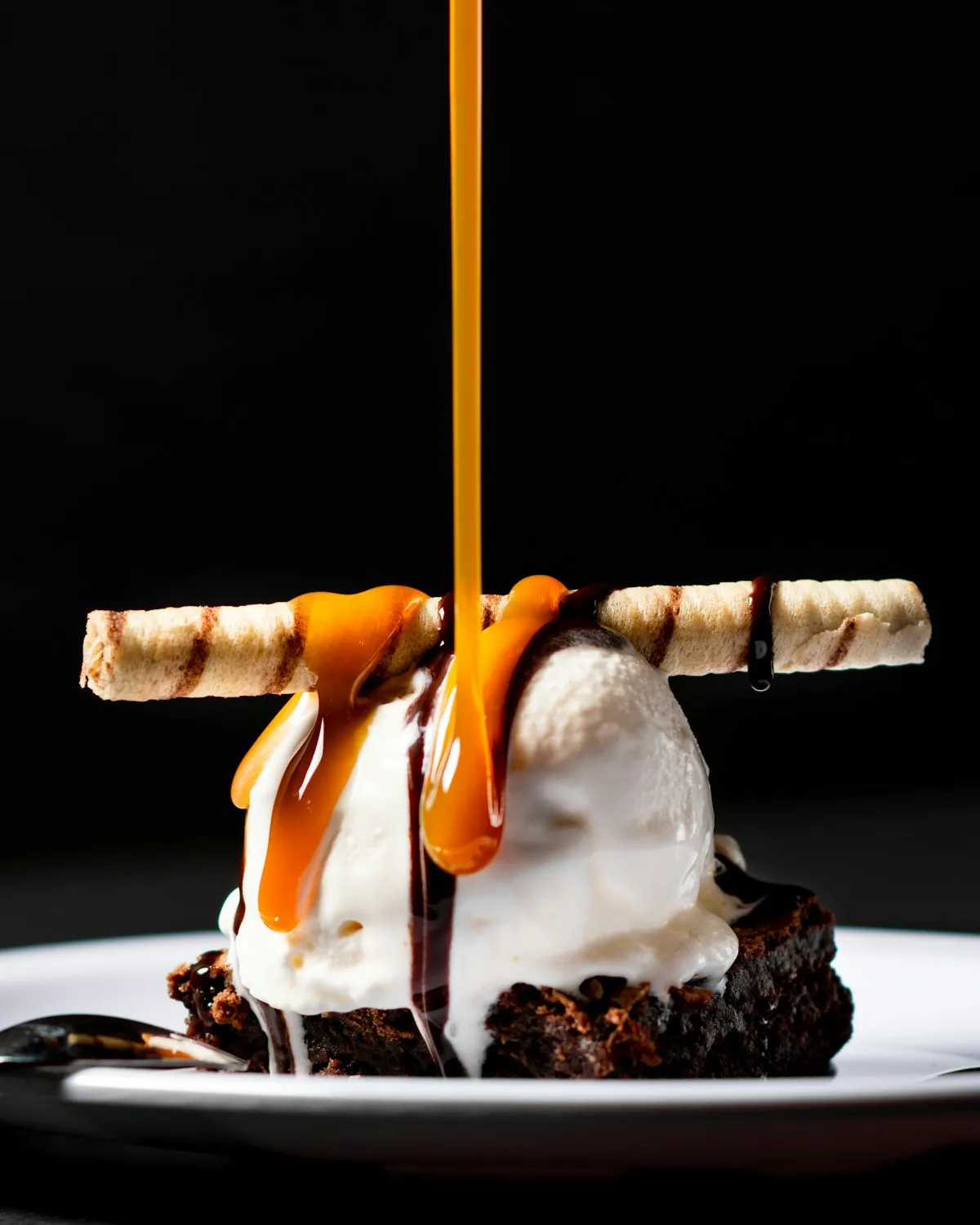
Chocolate mug cake is best served warm, immediately after the resting period. Add ice cream while the cake is still warm so it softens against the surface. Other suitable toppings include whipped cream, berries, chopped nuts, chocolate sauce, or a small spoonful of yoghurt.
This recipe produces one portion and is not designed for batch preparation. For multiple servings, prepare separate mugs rather than multiplying the batter in one container. Different mug sizes and batter depths will change the cooking time.