Recipe
Serves
20 1×
Serves 20 shortbread fingersPrep 20 minCook 35 minTotal 1H25 min
Ingredients
Method
- Line a 20 cm square tin with baking parchment. Heat the oven to 160°C conventional or 140°C fan.
- Put the softened butter and caster sugar in a mixing bowl. Mix until smooth and evenly combined. Do not whip until airy.
- Add the flour. Mix briefly until the dough starts to come together. Stop as soon as no loose flour remains.
- Transfer the dough to the prepared tin. Press it firmly and evenly into the corners.
- Score the dough into 20 fingers, approximately 10 cm by 2 cm. Prick each portion with a fork.
- Refrigerate the tin for 20 to 30 minutes, until the dough feels firm.
- Bake for about 35 minutes, checking from 30 minutes. Remove the tin when the shortbread is set and pale, with lightly coloured edges.
- While the shortbread is hot, carefully deepen the scored lines with a sharp knife.
- Leave it in the tin for about 15 minutes. Lift it out using the parchment and transfer it to a cooling rack.
- Cool completely, then separate the fingers along the scored lines. Store in an airtight container.
Classic Shortbread Fingers (Buttery, 3 Ingredients)
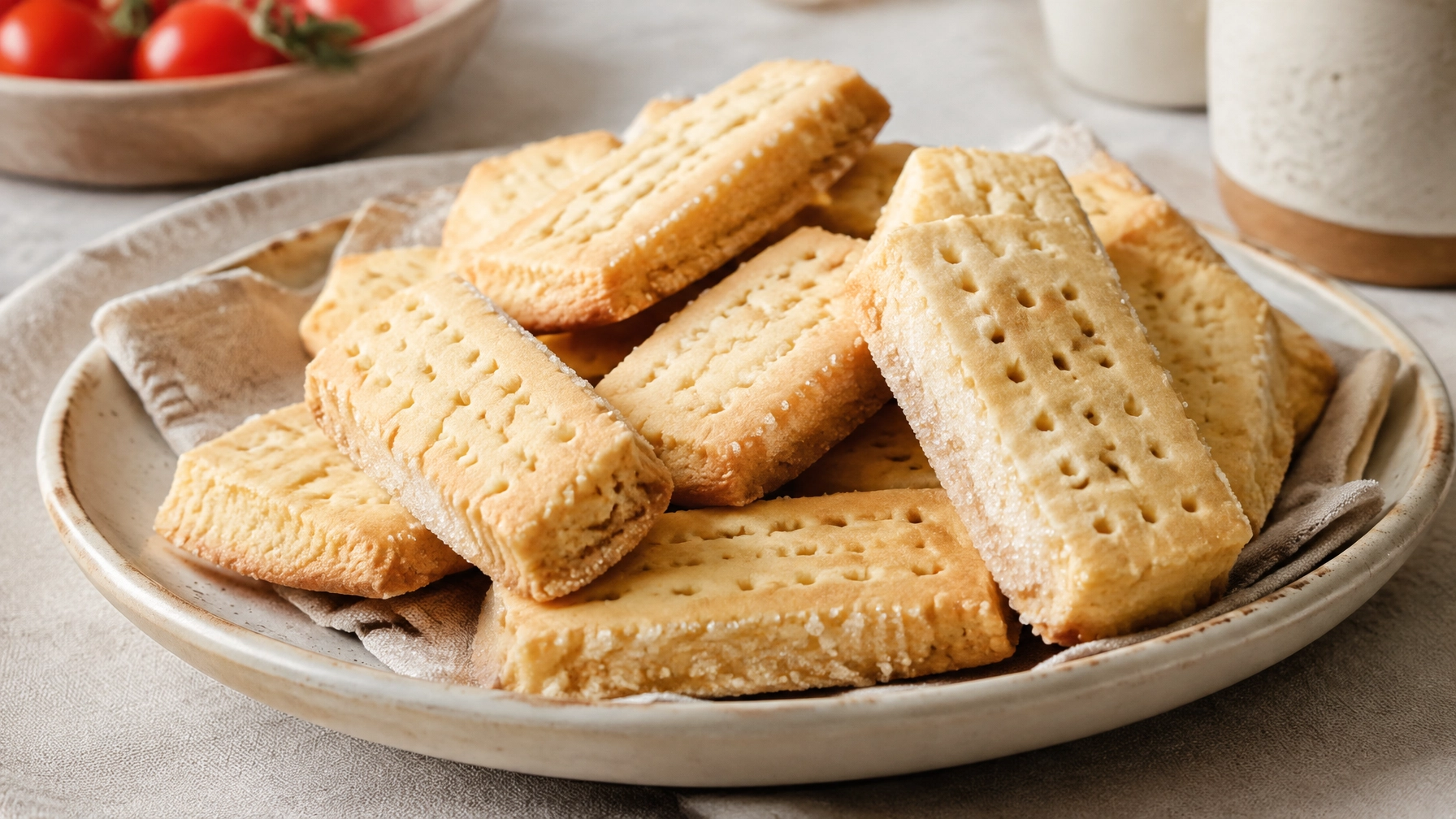
Shortbread is a firm, crumbly biscuit made from a simple mixture of butter, sugar and flour. This version is pressed into a square tin, scored before baking and cut into fingers while warm. It contains no egg or raising agent.
Shaping
A 20 cm square metal tin produces fingers about 10 cm long and 2 cm wide. Line the base and sides with baking parchment, leaving a small overhang to help lift out the baked shortbread.
Press the dough evenly into the tin, paying attention to the corners. Score the surface into 20 portions: divide the square into two halves in one direction, then mark lines at roughly 2 cm intervals in the other direction. The lines should guide cutting rather than separate the raw dough completely.
Prick each portion once or twice with a fork. These holes allow steam to escape and are a standard feature of shortbread. Chill the scored dough for 20 to 30 minutes before baking. Chilling firms the butter and helps the pieces keep their shape.
Baking
Bake at 160°C conventional, or 140°C fan, for approximately 35 minutes. Shortbread should remain pale, with only light colour at the edges. Check it at 30 minutes, since oven temperatures and tin materials vary.
If the centre appears wet or the dough feels soft, continue baking in short intervals. Avoid waiting for the whole surface to turn deep golden; excessive browning can make the finished fingers dry and give them a stronger toasted flavour.
When the tin comes out of the oven, carefully deepen the scored lines with a sharp knife. The shortbread is fragile while hot, so leave it in the tin for about 15 minutes before lifting it out. Cool completely on a rack before separating the fingers. The texture firms as it cools.
Storage
Store fully cooled fingers in an airtight container at room temperature for up to one week. Do not seal them while warm. Trapped steam can soften the surface.
For longer storage, freeze the cooled fingers in a sealed container. Thaw them at room temperature before serving. If they soften during storage, place them on a baking tray in a low oven for a few minutes, then cool completely before returning them to a container.
Tips
- Weigh the ingredients. Small differences in flour or butter can change how easily the dough presses together.
- Use softened, not melted, butter. The dough should hold together when pressed without appearing oily.
- Handle the dough briefly. Stop mixing as soon as it becomes cohesive.
- Check the thickness. An even layer helps the centre and edges bake at a similar rate.
- Score before baking. This makes it easier to cut clean portions after baking.
- Cut while warm, separate when cool. Warm shortbread cuts more readily, but it can break if lifted before it has cooled.
Variations
The base recipe contains three ingredients. Additions change that ingredient count and can affect the dough, so keep the stated quantities as the starting point.
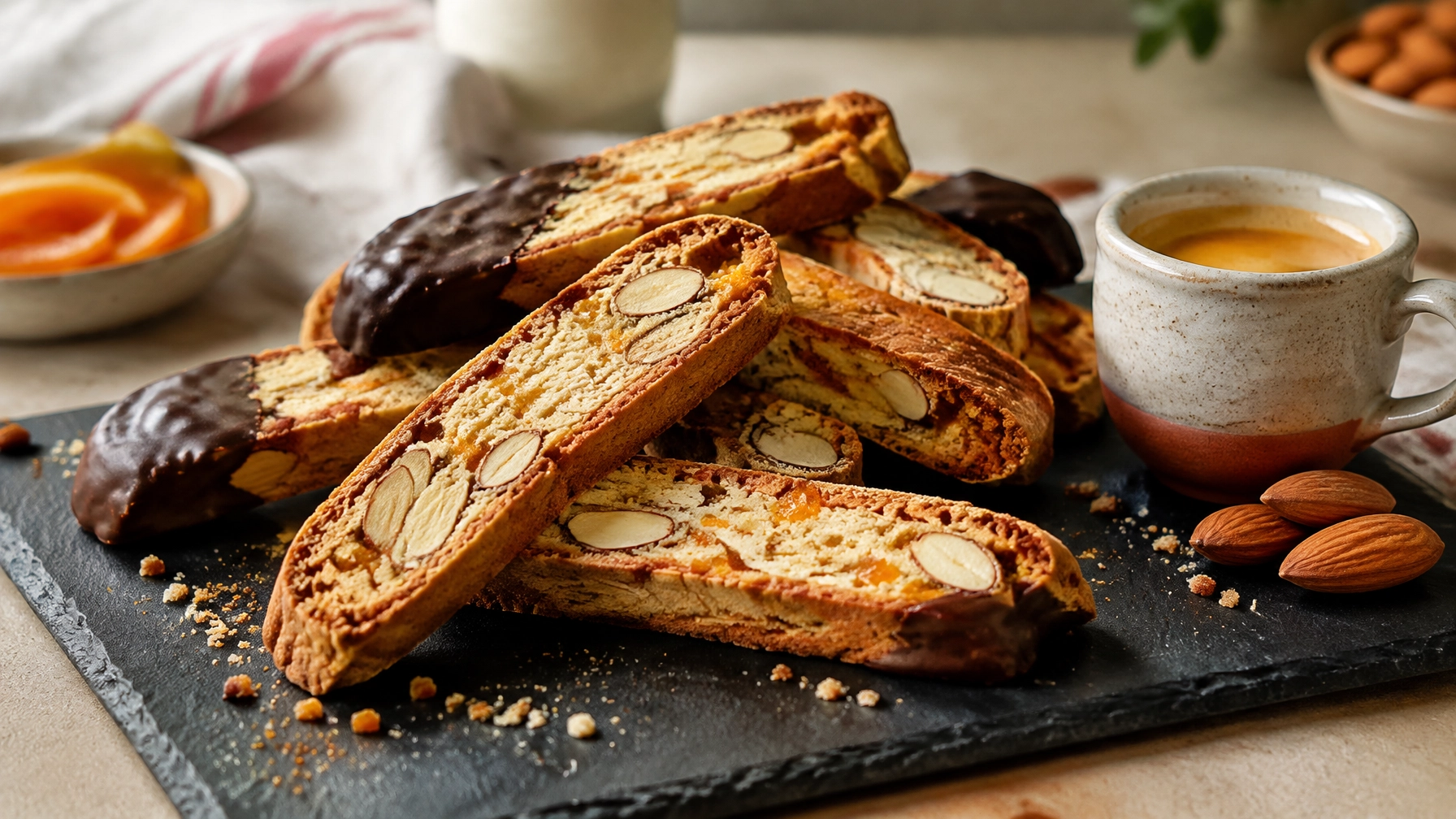
For a citrus version, add finely grated lemon zest to the butter and sugar before mixing in the flour. For a spiced version, add a small amount of ground spice to the flour and combine thoroughly. For a chocolate finish, dip one end of each completely cooled finger in melted chocolate, then leave it to set. These are variations rather than the three-ingredient base recipe.
Questions
Why is the dough crumbly?
Shortbread dough can look sandy before it is pressed together. Squeeze a small amount between your fingers. If it holds its shape, transfer it to the tin and press firmly. If it remains loose, mix briefly until the ingredients form a cohesive dough. Avoid adding liquid unless necessary, as it changes the texture.
Can the dough be made ahead?
Yes. Press and score the dough in the lined tin, cover it and refrigerate it. Bake it when ready. If the dough has chilled until very firm, allow a few minutes at room temperature before baking, while keeping it cool.
Why did the fingers spread or lose definition?
Butter that is too warm, insufficient chilling or uneven scoring can contribute. Chill the shaped dough before baking and make sure the oven has reached the set temperature. Keep the dough level in the tin so the fingers bake evenly.
How can doneness be checked?
The surface should look dry and set, and the edges should show only light colour. The centre may still feel delicate when hot. Allow the shortbread to cool before judging its final firmness.
Recipe
Details
Yield: 20 shortbread fingers
Prep time: 20 minutes
Cook time: 35 minutes
Chilling time: 30 minutes
Total time: 1 hour 25 minutes
Tin: 20 cm square metal tin
Notes
Use the specified temperature as a starting point and check the shortbread near the end of baking. The exact time can vary by oven and tin. The recipe contains three ingredients; toppings and flavour additions are optional variations and are not included in the ingredient count.