Recipe
Servings
Servings 1×
Ingredients
- Chicken
- Tofu
- Chickpeas
- Pasta
- Noodles
- Carrots
- Greens
- Cucumber
- Tomatoes
- Lime
- Peanut butter
- Cream
- Butter
- Cooking oil
- Soy sauce or tamari
- Sesame
- Salt
Method
- Drain them and rinse them under cold, running water for at least sixty seconds.
- Use your hands to toss them under the stream.
- Drain the noodles extremely well.
- Use warm water when whisking your sauce.
- Warm water helps the fats in the peanut butter relax, allowing them to bond more easily with the vinegar and soy sauce.
- Whisk vigorously until the sauce looks like heavy cream.
If you have ever arrived at a summer picnic only to find a sad, lukewarm potato salad weeping in the sun, you know why I am obsessed with this dish. Summer calls for food that stays vibrant, stays cold, and, most importantly, stays delicious after an hour in a cooler. This cold peanut noodle salad is my go-to for outdoor gatherings because it thrives on being chilled. It is creamy, crunchy, and has just enough kick to keep your palate awake while you are lounging on a blanket. You get a perfect hit of savory fat from the peanuts, balanced by a sharp zing of lime.
The Science of the Perfect Noodle Texture
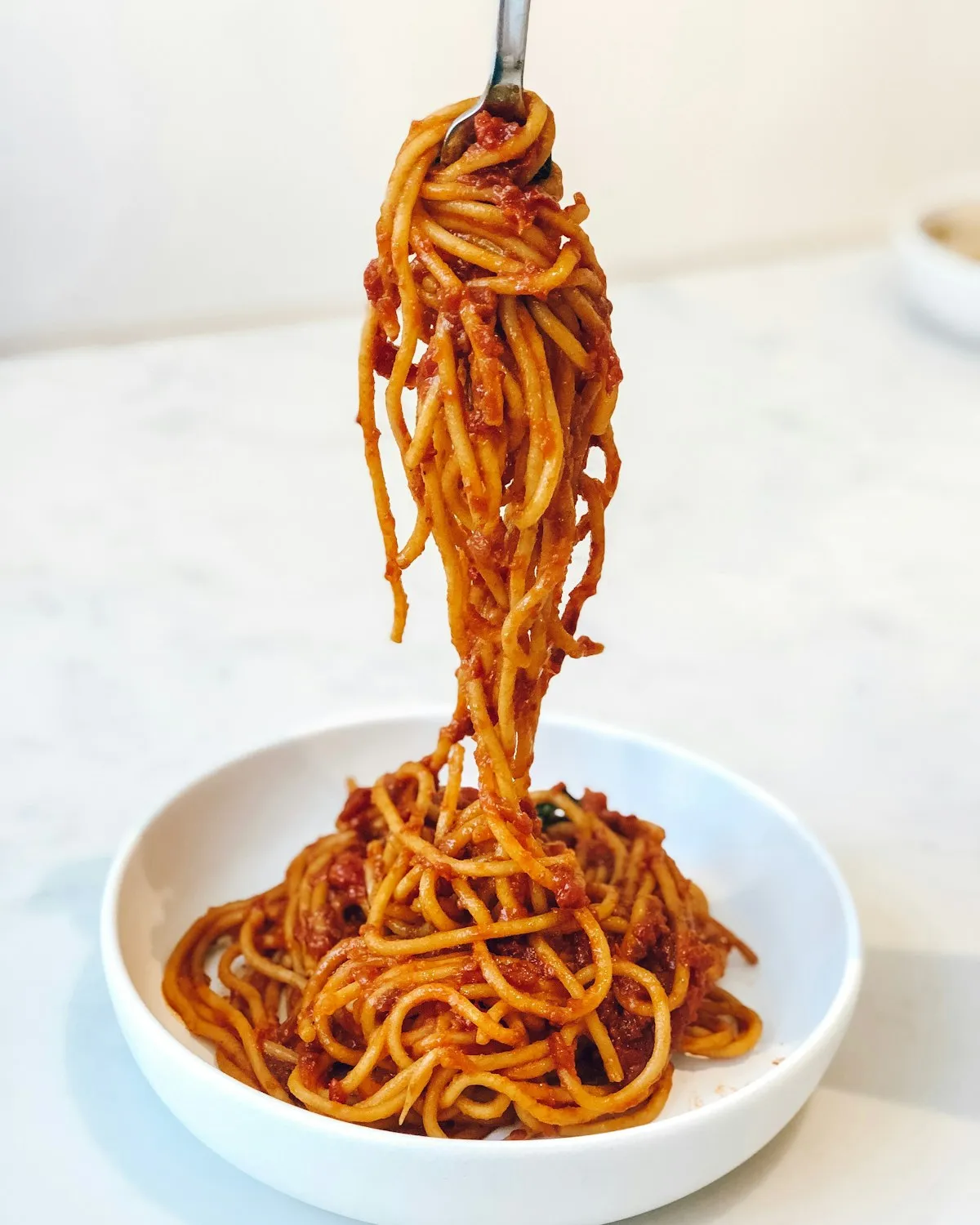
Getting the texture right in a cold noodle dish is not about luck; it is about managing starch. When you cook noodles, starch granules on the surface swell and become sticky. If you were making a hot pasta dish, like my one-pot linguine, you would want that starch to help the sauce cling. However, for cold picnic food, that surface starch is your enemy. It will turn your salad into a giant, gummy brick once it cools.
Stop the cooking process immediately once the noodles reach a perfect al dente. Drain them and rinse them under cold, running water for at least sixty seconds. Use your hands to toss them under the stream. This serves two purposes: it washes away that excess sticky starch and drops the temperature of the noodles instantly so they don't continue to soften. If you skip this, you’ll end up with mush.
Drain the noodles extremely well. Any excess water left on the noodles will dilute your beautiful sauce later. If you aren't saucing them immediately, toss them with a teaspoon of toasted sesame oil. This creates a microscopic barrier that prevents the noodles from fusing together while they wait in the fridge.
Mastering the Peanut Emulsion
The secret to a sauce that doesn't break or pool at the bottom of the bowl is a stable emulsion. Peanut butter is essentially a dense paste of fat and protein. To turn it into a silky, pourable dressing, you need to introduce liquid carefully.
Use warm water when whisking your sauce. This is a non-negotiable technique. Warm water helps the fats in the peanut butter relax, allowing them to bond more easily with the vinegar and soy sauce. If you use cold liquid, the peanut butter will seize up, leaving you with a lumpy mess that refuses to coat the noodles evenly.
Whisk vigorously until the sauce looks like heavy cream. It should be thin enough to pour but thick enough to leave a visible trail on the back of a spoon. Remember that starches are thirsty. Even after rinsing, your noodles will continue to absorb moisture as the salad sits. Always make a little more sauce than you think you need. Reserving a quarter of the sauce to toss in right before serving ensures your salad never tastes dry, making it one of the most reliable quick family meals for a busy weeknight or a weekend outing.
Choosing the Right Crunch
Not all vegetables are picnic-friendly. High-water vegetables like cucumbers or tomatoes tend to "weep" as they sit, especially when salt from the soy sauce hits them. For the best longevity, stick to sturdy, low-moisture greens and roots.
Shredded purple cabbage and matchstick carrots are the MVPs here. They provide a massive crunch that holds up for hours without getting soggy. Bell peppers are also excellent, but make sure to slice them thinly so they distribute evenly. If you want to include cucumber, seed it first. Use a spoon to scrape out the watery middle before slicing the firm outer flesh. This small step keeps your sauce creamy rather than watery.
Add your soft herbs, like cilantro or mint, at the very last second. These delicate leaves oxidize and turn brown quickly when exposed to acid and air. If you are packing this for a picnic, keep the herbs in a small container on top of the noodles and stir them in when you are ready to eat.
Protein Variations and Hearty Add-ons
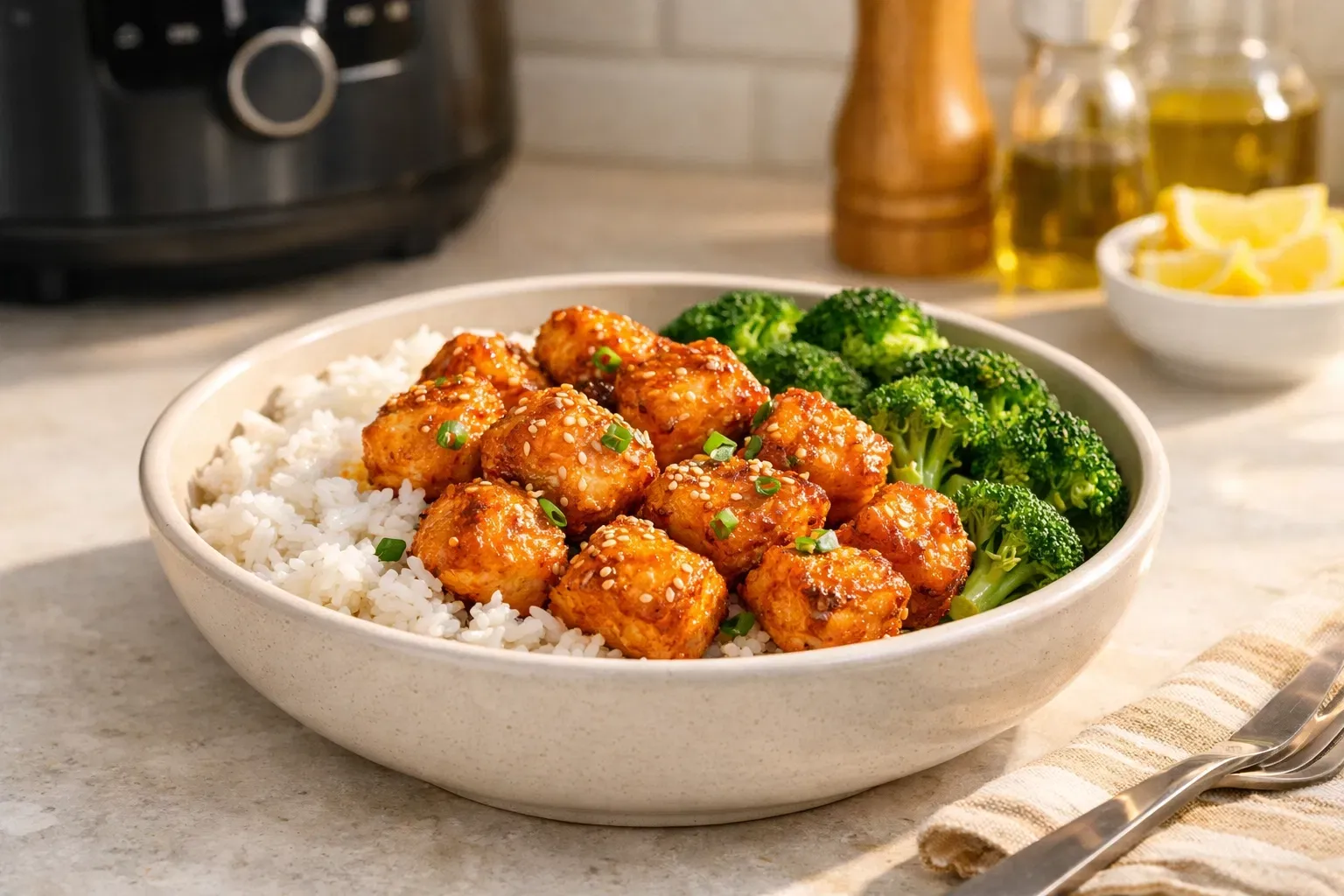
While this salad is a powerhouse on its own, adding a protein transforms it into one of those healthy dinner ideas that works for the whole family. If you want to keep things plant-based, crispy tofu is the way to go. To get that perfect texture without deep-frying, look toward your small appliances.
Using an air fryer is a fantastic way to prep tofu or even chicken for this salad. It provides a concentrated heat that crisps the outside while keeping the inside tender. I often find that looking through air fryer recipes dinner lists gives me great inspiration for salad toppers. For example, you can take a cue from my air fryer sausage medley and apply those high-heat roasting techniques to chickpeas or shelled edamame to add a nutty, roasted element to your noodle bowl.
If you prefer meat, shredded rotisserie chicken is a classic choice. The savory, roasted flavor of the chicken plays beautifully with the sweetness of the peanut sauce. Just ensure the chicken is completely cold before mixing it with the noodles to maintain the "refreshing" temperature profile of the dish.
Side Dish Pairings for Balance
When serving a rich, nutty dish like this, you need sides that offer a sharp contrast in acidity and texture. You want to avoid anything too heavy or creamy, as the peanut sauce already provides plenty of fat.
A bright, vinegar-based slaw or a simple fruit salad with lime juice and chili flakes works wonders. The acidity cuts through the richness of the peanut butter, refreshing your palate between bites. If you are looking for more quick family meals to serve alongside this, consider light skewers of grilled shrimp or a crisp green salad with a ginger-soy vinaigrette.
For a more substantial spread, you could pair these noodles with a smoky, roasted vegetable dish. Using the air fryer again to quickly blister some snap peas or broccoli provides a charred flavor that complements the toasted sesame notes in the noodle dressing. If you need inspiration for quick roasted sides, check out this kielbasa and pierogi roast for ideas on how to get maximum flavor with minimal effort.
Frequently Asked Questions
Why did my noodles turn into a solid clump?
You likely skipped the rinsing step or didn't use enough oil if storing them plain. Starch is a powerful adhesive. When noodles cool down, those starch molecules form bonds with each other. Rinsing removes the loose starch, and a tiny bit of sesame oil acts as a lubricant to keep the strands separate.
Can I make this gluten-free?
Absolutely. Swap the wheat noodles for rice noodles or even buckwheat (soba) noodles. If using rice noodles, be extremely careful not to overcook them; they turn to mush much faster than wheat. Also, ensure you use tamari or liquid aminos instead of traditional soy sauce, which usually contains wheat.
How long can this salad sit out at a picnic?
Food safety is critical for healthy dinner ideas served outdoors. The "danger zone" for bacterial growth is between 40°F and 140°F. If the temperature outside is above 90°F, do not leave the salad out for more than one hour. If it is cooler, you have a two-hour window. Always keep the salad in an insulated cooler with ice packs until the moment you are ready to serve.
Can I use almond butter instead of peanut butter?
Yes, almond butter or even cashew butter works perfectly. The flavor profile will shift, but the science remains the same. Almond butter tends to be a bit thicker, so you might need an extra tablespoon of warm water to achieve that silky emulsion.
My sauce tastes too salty, how do I fix it?
Do not panic. If you overshot the soy sauce, balance it with a little more acid (lime juice) and a touch of sweetness (honey or maple syrup). If it is still too intense, add another tablespoon of peanut butter and a splash of water to dilute the saltiness without making the sauce too thin.
{“@type”:”BlogPosting”,”image”:”https://cdn.marblism.com/DgbMBzGUHNZ.webp”,”author”:{“name”:”Penny”,”@type”:”Person”},”@context”:”https://schema.org”,”headline”:”Cold Peanut Noodle Salad: Refreshing Cold Picnic Food”,”publisher”:{“logo”:{“url”:”https://cookpedia.com/logo.png”,”@type”:”ImageObject”},”name”:”Cookpedia”,”@type”:”Organization”},”articleBody”:”If you have ever arrived at a summer picnic only to find a sad, lukewarm potato salad weeping in the sun, you know why I am obsessed with this dish… [full text of article]”,”description”:”Learn the science behind the perfect cold peanut noodle salad. Master the starch-rinsing technique and peanut emulsion for the ultimate refreshing picnic food.”,”datePublished”:”2026-05-19″}