Recipe
Servings
Servings 1×
Ingredients
- Salmon
- Pasta
- Rice
- Asparagus
- Mushrooms
- Kale
- Garlic
- Lemon
- Balsamic vinegar
- Hard cheese
- Butter
- Cooking oil
Method
- Prepare the ingredients described in the article and heat the cooking surface or oven as directed.
- Cook the main ingredients using the heat and timing guidance in the article.
- Finish with the seasonings and garnishes named in the article, then serve.
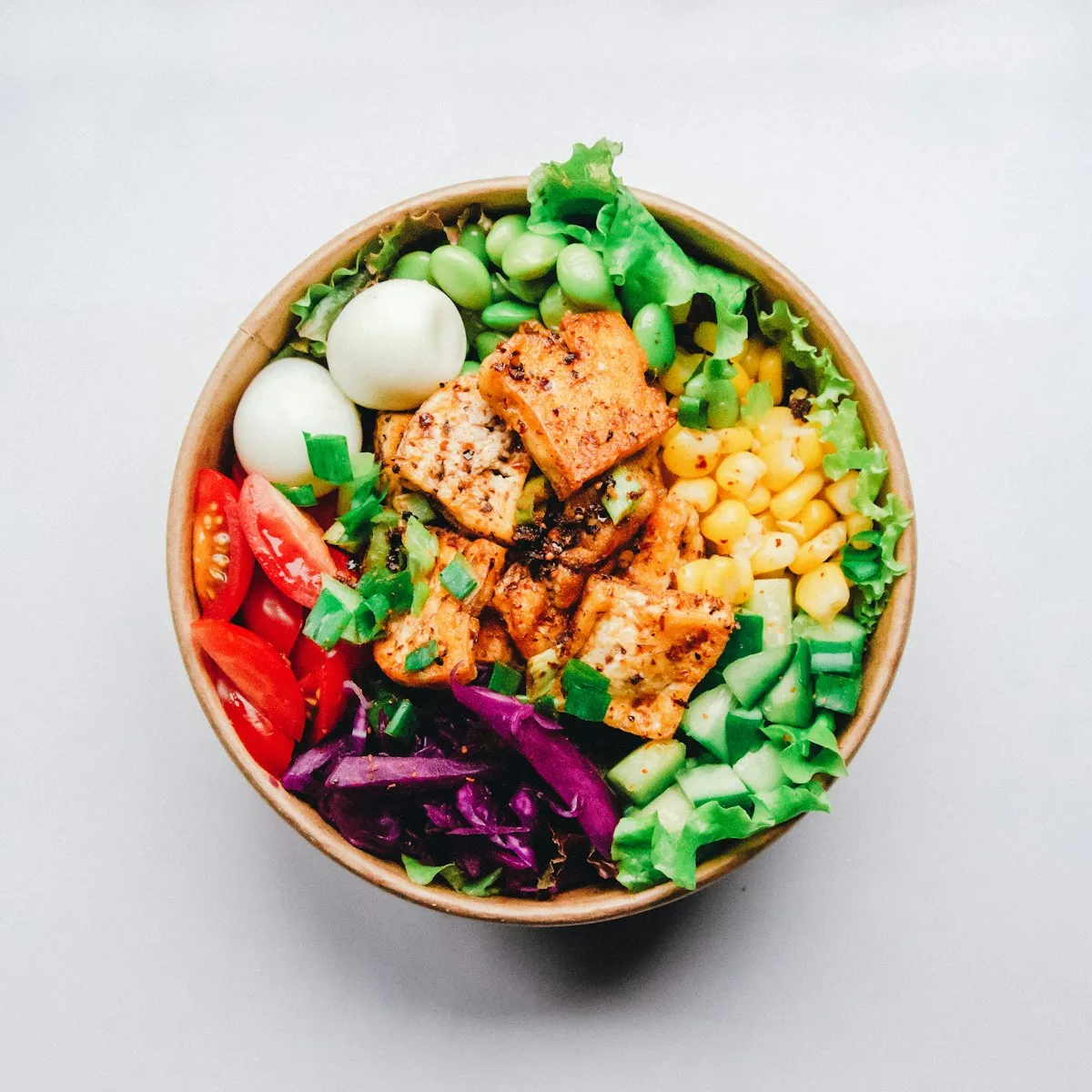
If you’ve ever avoided making risotto because you didn’t feel like tethering yourself to the stove for forty minutes of rhythmic arm-labor, I have good news for you. You’ve been lied to. The myth that risotto requires constant, obsessive stirring is one of the great culinary tall tales. On my blog, I prioritize efficiency without sacrificing the soul of the food. This "cheat’s way" yields a result so velvety and rich that no one will know you spent half the time scrolling on your phone while the science did the heavy lifting. It is one of those essential easy dinner recipes that feels like a high-end restaurant treat but works like a weeknight staple.
The Chemistry of the Creamy "Cheat"
To master the cheat, you have to understand the starch. Rice contains two main types of starch: amylose and amylopectin. Short-grain rices like Arborio or Carnaroli are packed with amylopectin, a highly branched, "bushy" molecule that is far more soluble than its straight-chain cousin, amylose. In traditional cooking, we are told that stirring is what "rubs" the starch off the grain to create the sauce. While mechanical agitation does help, the real magic is actually heat and hydration.
Embrace the Tostatura
Start by toasting your rice in fat. This step, known as the tostatura, isn't just for flavor. By coating the exterior of each grain in oil or butter, you create a protective barrier that regulates how quickly water penetrates the starch. This ensures the grain maintains its structural integrity: giving you that perfect al dente bite: while still allowing the outer layers of amylopectin to slowly leach out into the liquid. Skip this, and you risk a bowl of mushy porridge.
The Myth of the Ladle
In my kitchen, I’ve found that dumping about 75% of your liquid in at once works perfectly. Why? Because as the pot simmers, convection currents naturally move the grains around. This gentle, internal movement is sufficient to release the starch needed for a glossy finish. You aren’t "cheating" the flavor; you’re just letting fluid dynamics do the work for you. This makes it one of the most reliable one pot meals in your repertoire, requiring far less babysitting than most simple pasta recipes.
The Maillard Reaction and Mushrooms
Don’t just boil your mushrooms in the rice; you need to respect the Maillard reaction. Sauté your mushrooms separately until they are deeply browned. This chemical transformation creates hundreds of new flavor compounds that give the dish its earthy, savory "umami" punch. If you crowd the pan or add them too early, they’ll steam rather than sear, leaving you with rubbery gray bits instead of golden flavor bombs.
The Power of the Mantecatura
The true secret to the "cheat" is the mantecatura: the final, vigorous stir after the heat is turned off. When the rice is just about done, add your cold butter and Parmesan and stir like you mean it for sixty seconds. This mechanical energy, combined with the fats, creates a stable emulsion with the released starch. This is what transforms a watery pot of rice into a luxurious, flowing sauce.
Clever Variations for Every Palate
Risotto is a blank canvas, and while mushroom and thyme are a classic pairing, you can easily pivot based on what's in your pantry. If you want more protein, seared scallops or a piece of flaked salmon work beautifully. The richness of the rice acts as a pedestal for the delicate fats in the seafood.
For a brighter profile, try the "Citrus Lift." Fold in lemon zest and a squeeze of fresh juice right at the very end. The acidity cuts through the heavy starch and fat, effectively resetting your palate with every bite. If you’re feeling extra indulgent, swap the finishing butter for a dollop of mascarpone. It creates a silkiness that is almost criminal. Much like our spicy tomato basil linguine, the goal is a glossy, emulsified finish that coats the tongue.
Perfect Side Dish Pairings
Because risotto is quite heavy on the starch, you need a side dish that provides a sharp contrast. Think of it in terms of balance: richness needs acidity or bitterness to keep the meal from feeling monolithic.
- Arugula and Radish Salad: The peppery bite of arugula and the sharp crunch of radishes, dressed in a simple lemon vinaigrette, provide the perfect "cleanse" between bites of creamy rice.
- Roasted Asparagus with Balsamic: The char from roasting brings a smoky note, while a drizzle of balsamic glaze provides the necessary acid to cut through the Parmesan.
- Sautéed Garlic Kale: A slightly bitter green helps ground the sweetness of the sautéed mushrooms and the richness of the butter.
Frequently Asked Questions
Can I use long-grain rice like Jasmine or Basmati?
Absolutely not. Do not attempt this with long-grain rice. Long-grain rices are high in amylose, which is designed to keep grains separate and fluffy. If you try to make risotto with Jasmine rice, you will end up with a bowl of wet rice that refuses to emulsify. Use Arborio, Carnaroli, or even sushi rice in a pinch, as they have the requisite amylopectin to create that signature creaminess.
Why did my risotto turn out "gluey"?
Glutinous or "gluey" risotto usually happens for two reasons: overworking the rice or using a liquid that isn't hot enough. If you stir too aggressively from the very beginning, you break the grains, releasing too much starch too fast. Similarly, adding cold stock shocks the starch and prevents it from leaching out smoothly. Keep your liquid at a bare simmer in a separate pot before adding it to the rice.
Can I make this ahead of time?
Risotto is a "right now" kind of food. The starch continues to absorb liquid even after you plate it, which is why leftovers often turn into a solid block. However, if you must prep ahead, you can cook the rice halfway (about 10 minutes), spread it out on a baking sheet to cool rapidly, and then finish the cooking process right before serving. It’s a common restaurant trick, but for easy dinner recipes at home, it’s usually easier to just cook it start-to-finish.
How do I reheat leftovers?
The emulsion breaks once it cools, so don't just microwave it. To bring it back to life, add a splash of water or stock to a pan, add the cold risotto, and stir gently over low heat. Once it’s warmed through, add a tiny knob of butter to re-emulsify the sauce. It won't be quite as perfect as the first time, but it’ll be much better than a dry, clumpy mess.
Do I really need to use wine?
The wine isn't just for flavor; the tartaric acid in the wine helps break down the outer layers of the rice, facilitating the starch release. If you want to skip the alcohol, use a tablespoon of white wine vinegar or a squeeze of lemon juice mixed into your first addition of stock. You need that acidity to balance the fats.
Is this considered a healthy dinner idea?
While "healthy" is subjective, risotto is a "real food" dish. It’s gluten-free by nature and relies on whole ingredients like mushrooms and broth. To make it a more healthy dinner idea, increase the ratio of mushrooms to rice and use a high-quality, low-sodium vegetable broth. You get the satiety of a comforting meal without the processed additives found in many boxed one pot meals.