Recipe
Servings
Servings 1×
Ingredients
- Pork
- Pasta
- Noodles
- Greek yogurt
- Mushrooms
- Onion
- Mustard
- Cream
- Cooking oil
Method
- Prepare the ingredients described in the article and heat the cooking surface or oven as directed.
- Cook the main ingredients using the heat and timing guidance in the article.
- Finish with the seasonings and garnishes named in the article, then serve.
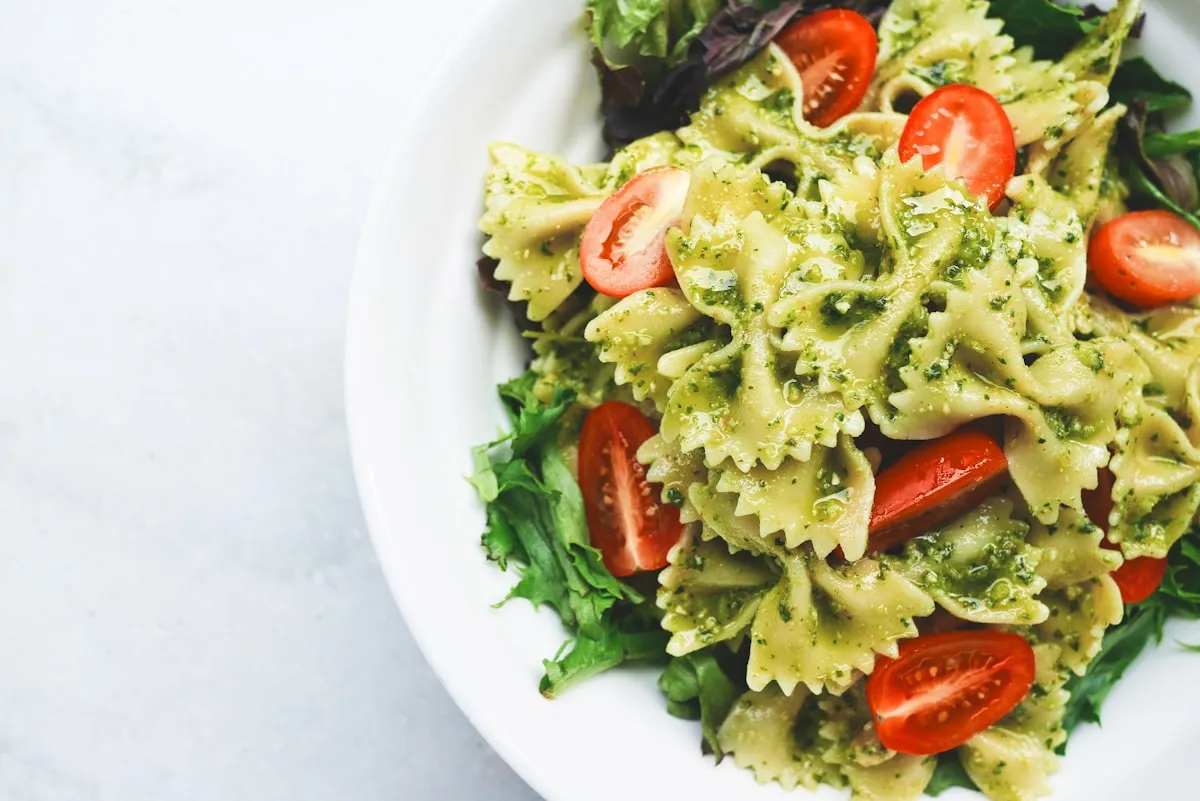
If you are looking for the ultimate intersection of comfort and efficiency, you’ve found it. Beef stroganoff is usually a multi-pot affair, one for the noodles, one for the sauce, and maybe a bowl for the meat. Not here. I’m showing you how to harness the power of a single pan to create a sauce so glossy and deep in flavor that it tastes like it’s been simmering for hours. This is one of those easy dinner recipes that relies on chemistry rather than a pile of dirty dishes to get the job done.
The Science of the Skillet: Mastering Your Fond
To get that deep, "beefy" flavor, you have to respect the Maillard reaction. This isn't just about cooking the meat; it’s about a chemical dance between amino acids and reducing sugars that occurs around 285°F (140°C). When you sear your beef, don't just gray it, brown it.
Use high heat and a heavy pan. Pat your meat bone-dry with paper towels before it hits the oil; moisture is the enemy of browning. If the meat is wet, it steams, and you miss out on those hundreds of complex flavor compounds that characterize a great stroganoff. Avoid overcrowding the pan. Work in batches if you have to. Those dark, stuck-on bits at the bottom of your pan are called "fond," and they are pure gold.
Once the meat is out, use your aromatics, mushrooms and onions, to start the deglazing process. Mushrooms are high in water content; as they release their moisture, they help loosen that fond. Scrape every bit of it up. If you really want to maximize your flavor profile, hit the pan with a splash of dry white wine or a little extra broth once the veggies are soft. This "solvent" dissolves the browned proteins and integrates them back into what will become your sauce.
The real magic of one pot meals happens when you add the dry pasta directly to the pan. Traditional recipes have you boil noodles in a massive pot of salted water, where all the precious starch is eventually drained down the sink. In this version, we keep that starch. As the noodles simmer in the beef broth, they release amylose and amylopectin. These starch molecules act as natural thickeners and emulsifiers. Instead of a watery broth, you end up with a silky, viscous liquid that clings to every noodle. It’s a built-in "velveting" technique that makes the final dish feel incredibly luxurious without needing a heavy roux.
Finally, let’s talk about the dairy. Sour cream is notorious for curdling. This happens because the high heat and acidity cause the milk proteins (casein) to clump together. To prevent a grainy sauce, use full-fat sour cream, the extra fat molecules act as a buffer for the proteins. Always stir it in off the heat. Tempering is your friend here; whisk a ladle of your hot sauce into your cold sour cream before adding the mixture back into the pot. This gentle transition prevents the thermal shock that leads to splitting.
Flavor Variations and Swaps
While the classic beef and mushroom combo is hard to beat, you can easily adapt this logic to fit what’s in your pantry. If you’re leaning toward healthy dinner ideas, try swapping half of the beef for a double dose of meaty Portobello mushrooms. They provide that same "umami" hit with fewer calories. You can even transition this into a "Pork Stroganoff" using lean tenderloin, which cooks incredibly fast.
For those who prefer a different texture, try using wide ribbons of pappardelle or even small shells. The science remains the same: the smaller the pasta, the less liquid you'll need. If you're looking for quick family meals that feel a bit lighter, swap the sour cream for Greek yogurt. Just be warned, yogurt has less fat and is even more prone to curdling, so you must be extra vigilant about keeping the heat low when you stir it in.
If you want a bit of a kick, add a teaspoon of Dijon mustard or a splash of Worcestershire sauce during the deglazing phase. The acidity in the mustard doesn't just add tang; it actually helps cut through the richness of the beef fat, making the whole dish feel more balanced.
Side Dish Pairings for Perfect Balance
Because this stroganoff is so rich and creamy, you need a side dish that provides a sharp, acidic contrast. Think of it as a palate cleanser between bites of savory, starchy goodness.
A simple green salad with a bright lemon vinaigrette is my go-to. Use plenty of arugula or radicchio, the bitterness of the greens works wonders against the earthy mushrooms. Alternatively, quick-pickled cucumbers or steamed green beans with a heavy squeeze of lime will do the trick. You want something crunchy and vibrant.
Avoid serving this with other heavy, buttery sides like mashed potatoes; you’ll end up with "carb-overload" and a very sleepy dinner table. Stick to high-acid, high-crunch vegetables. Even a simple pile of roasted asparagus with a dusting of lemon zest will elevate the entire meal. Check out our guide on achieving the perfect glossy sauce for more tips on balancing textures in your skillet.
One-Pot Troubleshooting FAQ
Why is my beef so tough and chewy?
This usually happens because you’ve used the wrong cut or boiled it too long. For a quick one-pot meal, stick to tender cuts like sirloin or ribeye. If you use stew meat (like chuck), it needs hours to break down the collagen. In this recipe, we sear the beef quickly and only add it back at the very end to warm through. Don’t let it sit in a rolling boil, or the muscle fibers will tighten up into rubber.
What do I do if my sauce is too thin?
Don't panic. If your noodles are done but the sauce is still watery, pull the lid off and turn up the heat for two minutes. This allows the water to evaporate, concentrating the starches. If you're in a real rush, a tiny slurry of cornstarch and water (mixed separately first) will thicken it up instantly.
Can I use a different cooking method?
While this is designed for the stovetop, many people ask about using an air fryer for the meat. While we love air fryer recipes dinner options, stroganoff really benefits from the "one-pot" liquid-reduction method on the stove. You could air fry the mushrooms to get them extra crispy before adding them to the pot, but the stovetop is king for building that creamy sauce.
Can I make this dairy-free?
Yes, but you’ll lose some of that classic tang. Cashew cream or a high-quality oat milk cream substitute works well. Just remember that plant-based milks won't have the same protein structure, so they won't "thicken" the sauce in quite the same way as traditional sour cream.
How do I store and reheat the leftovers?
Because of the starch from the pasta, the sauce will thicken significantly as it cools. When you reheat it, the sauce might look "clumpy." Add a splash of beef broth or water before microwaving or reheating on the stove. This thins out the starch and restores that glossy emulsion. Avoid boiling it during the reheat, or you’ll risk the sour cream splitting. Keep it low and slow!